10 Biggest Bottle Sizes in the World What Makes Them Unique?
In the fascinating world of beverages, size often captures the attention of enthusiasts and collectors alike. The biggest bottle, whether for champagne or wine, tells a rich story of craftsmanship and tradition. According to the Beverage Marketing Corporation, large-format bottles often contain 3 liters or more, showcasing not only volume but also unique design and purpose.
These colossal containers serve various roles. They are prized for celebrations and special occasions. However, handling these massive bottles presents challenges. Balancing aesthetics and functionality is crucial. As noted in industry reports, there is a growing trend in artisan bottle production, blending creativity with practicality.
Each of the biggest bottles has its own unique qualities. Some are designed for optimal aging, while others focus on bold presentation. Reflecting on this, it's clear that size can be deceptive. Bigger does not always mean better. Understanding this balance is vital in appreciating the world of oversized bottles.

Exploring the Largest Bottle Sizes in the World
When exploring the largest bottle sizes in the world, we find fascinating examples that capture both imagination and practicality. For instance, the "Nebuchadnezzar" bottle holds an impressive 15 liters of wine. This massive size is equivalent to 20 standard bottles. It’s often used for special occasions. However, many may wonder how practical such a large bottle really is.
Data from beverage industry reports shows that larger bottles tend to improve aging potential for wine. Larger formats have a lower ratio of oxygen to liquid. This slows the oxidation process, contributing to better flavor profiles over time. Yet, these bottles can be cumbersome. Handling challenges arise, and not all establishments have proper storage for such sizes.
Another astonishing example is the "Melchior," which can hold up to 18 liters. This size could provide drinks for a large gathering. Interestingly, some luxury hotels and restaurants are hesitant to use them. Maintenance and service logistics can be a hassle. They require specific knowledge and skills to handle correctly, reflecting a unique blend of luxury and practicality.
The Unique Features of Giant Bottles Across Different Beverages
Giant bottles come in various sizes and shapes, showcasing unique features across different beverages. One fascinating aspect is their ability to capture attention due to sheer size. These bottles often become the centerpiece of celebrations or events. Imagine a 15-liter wine bottle, towering like a monument, enticing guests with its grand presence.
Moreover, the craftsmanship involved in creating giant bottles is remarkable. Some are hand-blown, while others showcase intricate designs. These details often reflect cultural significance. For instance, certain large beer bottles may include local artistic styles. Each design tells a story and enhances the drinking experience.
However, managing such large bottles is not without challenges. Pouring from them often requires special techniques to avoid spills. Storage can be tricky too; finding the right space for these gigantic containers poses a dilemma. Despite their visual appeal, they demand respect and careful handling. Each sip taken from these massive vessels may carry a mix of excitement and hesitation.
Historical Significance of Monumental Bottle Sizes
Monumental bottle sizes have a rich historical significance. These colossal vessels often symbolize celebrations, achievements, or cultural heritage. For instance, the world’s largest wine bottle, “The Nebuchadnezzar,” holds 15 liters. This bottle style dates back centuries, reflecting the opulence of ancient royal banquets.
The grand size of these bottles makes them stand out. Traditionally, they are used for special occasions, enhancing the celebratory atmosphere. Historical reports indicate that significant historical events often featured large bottles. For example, during the coronation of monarchs, it was customary to have extravagant bottles as part of the festivities. The presence of such bottles signifies abundance and luxury.
Tips: When hosting events, consider using large-sized bottles for a dramatic effect. They can also serve as conversation starters. Remember, size matters, but not all guests may appreciate the excessive extravagance. Keep it elegant and contextually appropriate to avoid overwhelming your audience.
10 Biggest Bottle Sizes in the World What Makes Them Unique?
| Bottle Name |
Volume (Liters) |
Historical Significance |
Unique Features |
| Nebuchadnezzar |
15L |
Named after the Babylonian king, symbolizes grandeur and celebration. |
Requires multiple people to pour. |
| Melchior |
18L |
Represents one of the Wise Men from the East. |
Rare and often custom-made. |
| Salmanazar |
9L |
Named after an ancient Assyrian king. |
Popular for large gatherings. |
| Balthazar |
12L |
Represents another of the Magi. |
Often used for festivals and events. |
| Jeroboam |
3L |
Symbolizes abundance and joy. |
Commonly used in weddings. |
| Magnum |
1.5L |
Traditionally used for special occasions. |
Well-known in the wine industry. |
| Jéroboam |
3L (for sparkling wine) |
Named after King Jeroboam, symbolizes luxurious feasts. |
Captures the attention at events. |
| Rehoboam |
6L |
Named after King Rehoboam. |
Ideal for large celebrations. |
| Imperial |
6L (for champagne) |
Symbolizes regality and luxury. |
Often displayed at high-profile events. |
| Primat |
27L |
One of the largest bottle sizes, used for notable occasions. |
Extremely rare and valuable. |
Notable Records and Their Impact on Beverage Industry
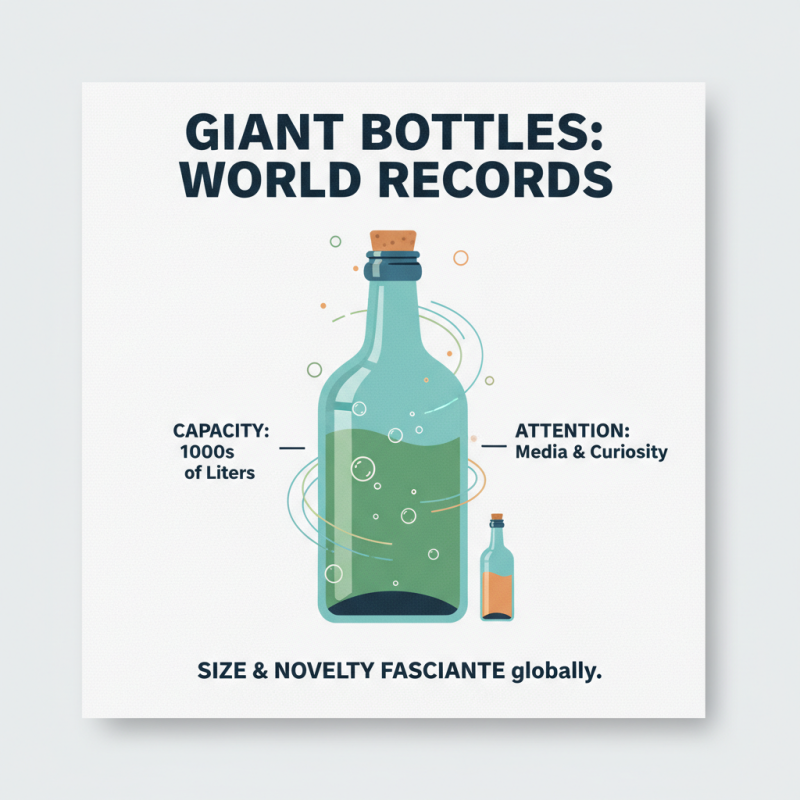
In the world of beverages, bottle sizes can be a fascinating topic. Some enormous bottles hold unique records, standing out in the industry. For example, a massive bottle can hold thousands of liters. These giants often attract media attention and spark curiosity. People are drawn to their sheer size and novelty.
The impact on the beverage industry is notable. Large bottles can create a spectacle at events, drawing crowds. They can also symbolize luxury and exclusivity. However, such large sizes pose challenges. Storing and transporting these bottles requires significant resources. Not everyone can enjoy the experience, limiting accessibility.
While they can be awe-inspiring, there’s also a need for reflection. Are we focusing too much on size? Smaller bottles offer portability and ease of use. They cater to different consumer preferences. Finding a balance between size and practicality is crucial. The beverage industry must evolve to meet these changing demands.
Cultural Traditions Associated with Large Bottle Sizes
Large bottle sizes often reflect cultural traditions around the world. In Europe, especially in countries like Germany and France, oversized bottles are associated with celebrations. Events such as weddings and festivals make use of large format wines. According to a 2022 industry report, 35% of wine consumers reported enjoying wines from larger formats during special occasions. These bottles, such as magnums and jeroboams, hold distinct symbolic meanings, elevating the status of the beverage.
In some cultures, sharing from a large bottle is a gesture of friendship. In Italy, communal dining often includes sharing from these generous sizes. They are perfect for toasting and embodying a spirit of togetherness. However, not all regions embrace this. Some cultures prefer individual servings, seeing large bottles as impractical. This dichotomy highlights the complexity of beverage consumption patterns worldwide.
The challenge lies in the perception of value. Consumers have mixed feelings about large bottles due to price and storage. A report noted that over 40% of drinkers think it’s wasteful if the bottle isn’t fully consumed. This creates tension between tradition and modern consumption habits. Would they still hold the same allure if left unfinished? The balance between appreciation and practicality often leads to reflection on cultural values.
10 Biggest Bottle Sizes in the World
This chart illustrates the capacities of the largest bottle sizes recognized in the world, showing their unique cultural significance and use in various traditions.