

Frugalpac terms and conditions for the purchase of goods

2026 Top Baking Parchment Paper Suppliers for Global Buyers

Global buyers need more than a long supplier list when sourcing Baking Parchment Paper in 2026. They need dependable materials, consistent production, and clear evidence behind every claim. A supplier may offer attractive prices, yet the paper can vary in thickness, release performance, or heat resistance. Small differences matter. They affect baking results, packaging efficiency, and customer confidence.

This guide examines leading Baking Parchment Paper suppliers for international purchasing teams. It considers manufacturing experience, product specifications, coating quality, customization options, certifications, minimum order quantities, and export support. Practical details receive special attention, including roll width, sheet dimensions, carton protection, and sample testing. A reliable supplier should explain whether its paper is bleached or unbleached, silicone-coated, grease-resistant, and suitable for the buyer’s intended temperature range. Documentation should be current and easy to verify. Vague answers deserve caution.

No ranking is perfect. A supplier’s performance can change with raw material costs, production schedules, or regional logistics. We may also overlook smaller manufacturers with strong local reputations. That limitation matters. Buyers should request samples, compare technical data, and confirm delivery terms before placing large orders. A brown parchment sheet that releases cleanly from a busy bakery tray tells more than a polished brochure. Experience often appears in these ordinary details. This overview aims to provide a balanced starting point, not a substitute for careful supplier evaluation.
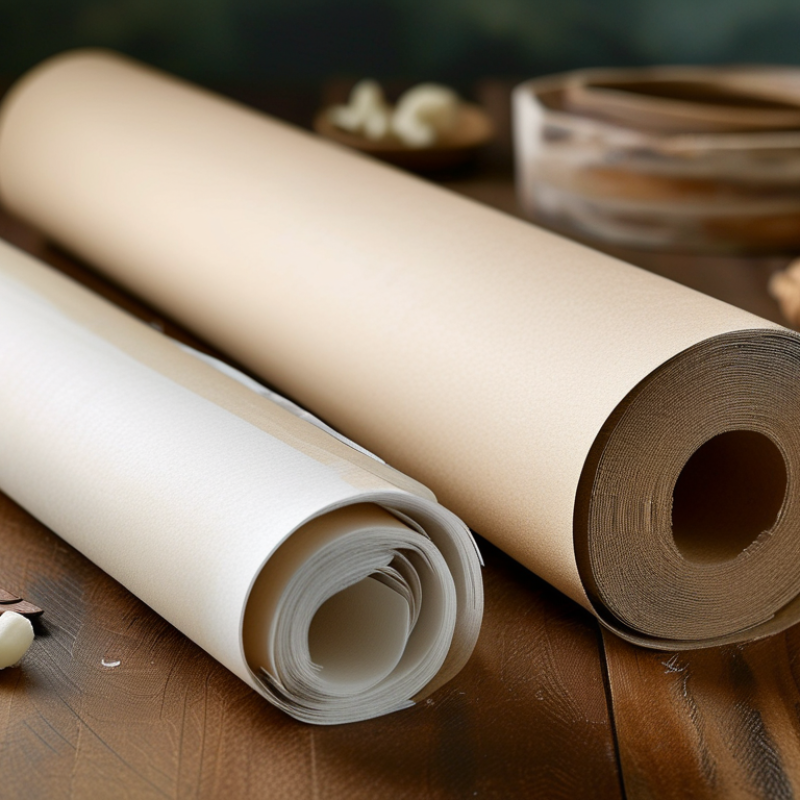
2026 Top Baking Parchment Paper Suppliers for Global Buyers

Definition and Uses of Baking Parchment Paper

Baking parchment paper is a cellulose-based sheet treated with silicone or another release coating. It resists sticking, absorbs limited grease, and tolerates normal oven temperatures. Its surface remains smooth when cookies, pastries, or roasted vegetables contact it. However, parchment is not the same as wax paper. Wax may melt or smoke in an oven.

Mordor Intelligence estimates the global baking paper market at about USD 1.33 billion in 2024, with growth expected through 2029. This demand reflects household baking, commercial bakeries, catering, and prepared-food production.

Buyers commonly use parchment for tray lining, cake release, pastry layering, food portioning, and short-term wrapping. In practical sourcing, thickness, coating uniformity, roll length, and cutting accuracy matter. A cheaper roll may tear around sharp tray edges.

There is no universally perfect parchment sheet. Some coated papers perform poorly with wet dough or prolonged roasting. Product claims also need careful checking. Food-contact compliance, temperature limits, grease resistance, and packaging hygiene should appear in the technical documentation. The European Commission’s food-contact materials framework and relevant national standards provide useful reference points for verification. Suppliers should provide test records, but buyers should still inspect samples under real baking conditions. Small tests often reveal curling, scorching, or uneven release.

Key Types and Material Standards for Global Buyers

Global buyers usually compare three parchment paper types: bleached, unbleached, and silicone-coated sheets. Bleached paper offers a clean white appearance for retail baking and presentation. Unbleached paper keeps a natural brown color and may suit brands seeking a rustic image. Silicone coating improves release performance, especially for cookies, pastries, and roasted foods. Double-sided coating can reduce sticking, but it may raise cost and affect recyclability.

Material selection should begin with the intended baking temperature, food type, and packaging format. Common specifications include paper weight, coating level, roll width, sheet size, and core dimensions. A stable supplier should provide food-contact declarations, migration test results, and traceability records. Buyers should also ask whether the paper uses fluorinated grease-resistant chemicals, since many markets and customers now expect PFAS-free materials. Compostable claims require careful review of the coating, ink, adhesive, and disposal conditions.

Do not trust a certificate blindly. Request recent test reports from an independent laboratory, then compare them with the actual production batch. In my sourcing experience, small details often cause problems: curled edges, uneven silicone coverage, or paper that tears when wet. Sample testing under real oven conditions is essential. Standards differ between countries, and one document may not satisfy every destination. That part deserves more attention. A strong supplier explains limits clearly instead of promising universal compliance.

2026 Top Baking Parchment Paper Suppliers for Global Buyers - Key Types and Material Standards for Global Buyers

Global procurement comparison by paper type, coating, performance, compliance, and quality-control requirements

Product Type Base Material Typical Basis Weight Surface Treatment Typical Color Common Declared Temperature Range Primary Applications Key Performance Requirements Relevant Food-Contact References Global Buyer Verification Points
Bleached Silicone-Coated Parchment Bleached cellulose parchment paper 35–60 g/m² One- or two-sided food-grade silicone White to ivory Commonly 200–230°C; confirm the product declaration Cookies, pastries, bread, roasting, tray lining Reliable release, even caliper, low curl, resistance to grease and moisture U.S. FDA 21 CFR 176.170; EU Framework Regulation (EC) No 1935/2004; GMP Regulation (EC) No 2023/2006 Request coating declaration, migration test data, basis-weight tolerance, and oven-use instructions
Unbleached Silicone-Coated Parchment Unbleached cellulose parchment paper 35–60 g/m² Food-grade silicone, usually one or two sides Natural brown Commonly 200–230°C; confirm the product declaration Artisan bread, cookies, home baking, eco-focused food packaging Non-stick release, natural appearance, sufficient wet strength, controlled odor and taste transfer U.S. FDA 21 CFR 176.170; EU Regulations (EC) No 1935/2004 and No 2023/2006 Check recycled-fiber status, bleaching statement, odor test, extractables, and compostability claims separately
Pre-Cut Baking Sheets Bleached or unbleached cellulose parchment 35–60 g/m² Silicone-coated, generally double-sided for easy handling White, ivory, or natural brown Usually 200–230°C; product-specific limits apply Retail baking, food-service kitchens, bakery production Accurate dimensions, flatness, clean die-cut edges, consistent sheet count Applicable food-contact legislation in destination market; supplier declaration of compliance Approve dimensions, tolerances, pack count, carton compression, and barcode or labeling requirements
Parchment Baking Rolls Cellulose parchment paper with silicone coating 35–60 g/m² One- or two-sided silicone coating White, ivory, or brown Typically 200–230°C; verify roll-specific instructions Household baking, restaurants, bakeries, catering Smooth unwinding, low blocking, clean tear or cutting, stable roll tension U.S. FDA 21 CFR 176.170; EU Framework Regulation (EC) No 1935/2004 Test roll width, length, core size, winding direction, edge damage, and moisture protection
Pre-Formed Parchment Baking Cups Molded cellulose parchment paper Commonly 40–70 g/m² Silicone-coated or grease-resistant treated surface White, ivory, or natural brown Usually 180–220°C; confirm cup-specific limits Muffins, cupcakes, brioche, confectionery portions Shape retention, grease resistance, clean separation, dimensional consistency Destination-market food-contact requirements and applicable paper or silicone declarations Confirm cup diameter, height, rim shape, nesting performance, and filling-line compatibility
Industrial Bakery Liner Paper High-strength cellulose parchment or specialty grease-resistant paper 50–90 g/m² Silicone, fluorine-free release treatment, or engineered grease barrier White, ivory, or brown Application-dependent; validate against the production oven profile Continuous bread lines, laminated dough, frozen dough, industrial pastry High tensile strength, runnability, release after baking, moisture and grease resistance Food-contact declaration, migration testing, chemical restrictions, and quality-management records Conduct line trials for speed, tension, oven dwell time, product release, and waste rate
Reusable Baking Mat with Parchment Alternative Function Woven glass-fiber substrate with silicone elastomer coating Not normally specified by paper basis weight Food-contact silicone on both sides Usually translucent, brown, or dark gray Often approximately 200–250°C; follow the specific product declaration Repeated baking, pastry work, confectionery, commercial kitchens Dimensional stability, repeated release, cleanability, edge safety, and resistance to cracking Destination-market food-contact rules for silicone and substrate materials Verify maximum temperature, cleaning method, service life, fiber exposure, and PFAS-free documentation where required

Core Material and Compliance Checklist for Global Buyers

Evaluation Dimension Recommended Buyer Requirement Evidence to Request
Cellulose source Define virgin, recycled, bleached, or unbleached fiber requirements according to the target market and product positioning Fiber declaration, technical data sheet, and applicable chain-of-custody certificate
Food-contact safety Material must comply with the regulations applicable to the country of sale and intended food-contact conditions Declaration of compliance, overall and specific migration reports where applicable, and composition statement
Silicone coating Specify coating side, coating weight, release performance, and maximum validated temperature Coating specification, laboratory test report, and production batch records
Physical consistency Set tolerances for basis weight, caliper, moisture, tensile strength, dimensions, and roll length Inspection standard, certificate of analysis, and pre-shipment inspection report
Heat and release performance Approve samples using the actual dough, fat level, oven temperature, dwell time, and production equipment Application trial results, release-rate data, and documented operating limits
Sustainability claims Treat recyclability, compostability, fluorine-free, and responsibly sourced claims as separate technical requirements Third-party certification, test method, claim scope, and disposal instructions
Packaging and logistics Protect paper from humidity, odor, compression, contamination, and transit damage Packing specification, pallet plan, humidity-control procedure, and carton drop-test results

Note: Temperature ranges, coating systems, basis weights, and regulatory requirements vary by product construction and destination market. Buyers should approve the final specification using supplier documentation, applicable local legislation, and production-line testing.

How to Evaluate Parchment Paper Suppliers in 2026

How to Evaluate Parchment Paper Suppliers in 2026

Reliable parchment paper sourcing starts with evidence, not attractive catalogs. Ask for food-contact declarations, migration test reports, coating specifications, and batch traceability records. Confirm the paper’s basis weight, roll width, temperature range, and release performance. A supplier should explain these details clearly, without vague claims.

Request samples from several production batches. Test them with butter-rich pastries, wet dough, and long baking cycles. Check whether the paper curls, tears, sticks, or darkens near the oven’s hot zones. My own testing mistake was judging release performance with only one recipe. That result looked convincing, but it was incomplete.

Evaluate manufacturing controls, not only product quality. Review incoming-fiber checks, coating uniformity, moisture control, and packaging protection. Ask how complaints are investigated and how corrective actions are documented. Digital batch records and carbon-related data are becoming more useful for global procurement in 2026. Still, a polished sustainability statement does not replace independent evidence. Confirm production capacity, minimum order quantities, port options, and realistic lead times. A low quotation can become expensive after delays, damaged cartons, or inconsistent rolls. Small details matter. Suppliers should also provide responsive technical support when a test fails. Their answers reveal practical experience.

Top Supplier Selection Criteria and Global Compliance

2026 Top Baking Parchment Paper Suppliers for Global Buyers

Choosing a baking parchment paper supplier requires more than comparing prices. In practical purchasing tests, paper strength, release performance, and heat resistance often vary between samples. A reliable supplier should provide food-contact documentation, migration test results, and clear production specifications. These records should match the destination market, because food-packaging rules differ across regions. Ask for material composition, coating details, recommended temperature limits, and batch traceability. Accredited laboratory reports add credibility, but buyers should verify their dates and testing scope.

Supplier audits also matter. Review quality-control procedures, factory hygiene, complaint handling, and shipment consistency. Request samples from different production batches, then test them with oily pastries, wet dough, and repeated folding. A clean release does not always mean stable performance. I have seen attractive samples weaken during long baking cycles. That small weakness can create waste at commercial scale. No checklist is perfect. Buyers should record test conditions carefully and question unclear claims.

Tips: Compare at least three batches before signing a large contract. Confirm roll width, sheet size, core dimensions, packaging, and pallet standards. Check whether the supplier can support customs documents and replacement procedures. Keep a retained sample from every approved batch. It may become essential when performance changes unexpectedly.

Ordering, Quality Control, and International Shipping Considerations

2026 Top Baking Parchment Paper Suppliers for Global Buyers

Ordering begins with precise specifications, not attractive quotations. Confirm paper thickness, basis weight, roll width, sheet size, coating type, and heat resistance. Ask whether the paper is bleached or unbleached. Request samples from the same production line. Samples reveal defects. Check curling, tearing, odor, coating uniformity, and release performance after baking. A small test batch can expose problems that certificates cannot show.

Quality control should include written tolerances and inspection records. Ask for food-contact declarations, material traceability, batch numbers, and laboratory reports relevant to the destination market. Test several sheets from different cartons, especially when ordering private-sized rolls. One practical weakness is often ignored: printed measurements may differ slightly from actual dimensions. Do not guess. Record moisture levels, carton strength, and pallet conditions before shipment. An independent inspection is useful, though it increases cost and may still miss damage inside sealed cartons.

International shipping requires careful coordination with the supplier and freight forwarder. Confirm the agreed Incoterm, export documents, carton dimensions, gross weight, and container loading plan. Parchment paper must remain dry; wet ports, leaking containers, and weak inner wrapping can ruin otherwise acceptable goods. Use moisture-resistant packaging and request loading photos. Allow time for customs review and destination testing. I have seen buyers focus on unit price, then pay more for re-packing, storage, or delayed delivery. That mistake is avoidable, but not every delay can be predicted.

Close