

Frugalpac terms and conditions for the purchase of goods

2026 Top Jewelry Pouch Types for Global Buyers?

Global jewelry packaging is becoming more strategic, especially for buyers serving luxury, bridal, travel, and direct-to-consumer markets. A Jewelry Pouch now protects more than a ring or necklace. It carries brand identity, improves unboxing, and supports safer product handling. Bain & Company and Altagamma reported that the global personal luxury goods market reached approximately €369 billion in 2024. Jewelry remains an important part of that ecosystem, although demand varies across regions and price levels.

Market growth does not make every pouch a good investment. Material choice, lining quality, closure strength, sizing, and repeat-order consistency still decide performance. Smithers’ packaging industry research highlights rising pressure for recyclable materials, reduced waste, and clearer sustainability claims. Buyers should therefore compare cotton, velvet, microfiber, recycled polyester, and paper-based options against real use conditions. A soft pouch may protect polished metal, but poor stitching can create loose fibers. A beautiful drawstring may also slow packing operations.

Small details matter. Global buyers should review samples, fabric specifications, logo durability, carton packing, minimum order quantities, and lead times before approval. The McKinsey State of Fashion reports continue to emphasize value-conscious luxury consumption and stronger customer expectations. That shift makes practical packaging increasingly important. Still, sustainability claims can be overstated, and “eco-friendly” is not a complete specification. This guide examines the leading 2026 Jewelry Pouch types, their suitable applications, and the compromises buyers may overlook. The category looks simple. It is not.
2026 Top Jewelry Pouch Types for Global Buyers?

What Are Jewelry Pouches and Why Do Global Buyers Choose Them?

Jewelry pouches are small fabric or synthetic bags designed to protect, present, and organize jewelry. They usually include a drawstring, snap closure, or zipper. Common materials include cotton, velvet, linen, microfiber, and recycled blends. Each material creates a different customer impression.

In my sourcing experience, global buyers choose pouches because they combine protection with simple presentation. A soft inner surface can reduce scratches during storage and shipping. A compact pouch also uses less space than a rigid jewelry box. This matters when buyers manage thousands of pieces across different sales channels. Pouches can separate rings, earrings, bracelets, and delicate chains. They also support custom sizing, printed patterns, and practical closure options.

Still, a pouch is not a perfect answer. Thin fabric may tear under heavy handling. Loose drawstrings can become inconvenient in busy retail settings. Dark materials can also hide small jewelry pieces. Buyers should check stitching, colorfastness, closure strength, and sample performance before placing a large order. I once underestimated how much a soft pouch affected customer handling. It looked elegant, but its opening was too narrow. A better design is not always more decorative. Sometimes, usability wins. For global purchasing teams, the most reliable pouch balances protection, appearance, production consistency, and realistic cost. Testing remains essential.

2026 Top Jewelry Pouch Types for Global Buyers?

What Are Jewelry Pouches and Why Do Global Buyers Choose Them?

Reference comparison of widely used jewelry pouch formats and their typical global buyer applications.
Pouch Type Common Materials Typical Size Range Closure Main Advantages Common Buyer Applications Best Fit for Jewelry
Cotton Drawstring Pouch Cotton, recycled cotton, cotton canvas 7 × 9 cm to 15 × 20 cm Single or double drawstring Reusable, breathable, washable, easy to print or embroider Retail packaging, promotional kits, sustainable gift programs Rings, earrings, pendants, small bracelets
Velvet Drawstring Pouch Polyester velvet, cotton velvet, recycled velvet blends 7 × 9 cm to 18 × 23 cm Satin or polyester cord Soft touch, rich appearance, helps reduce surface scratching Premium presentation, seasonal gifting, boutique packaging Fine rings, gemstones, earrings, delicate chains
Linen or Jute Pouch Linen, jute, hemp blends, cotton-linen fabric 8 × 10 cm to 16 × 22 cm Drawstring, button, or flap closure Natural texture, durable fabric, suitable for eco-focused packaging Artisan collections, handmade jewelry, environmentally conscious retail Beaded pieces, bracelets, pendants, larger accessories
Microfiber Polishing Pouch Microfiber, polyester suede, brushed synthetic fabric 7 × 9 cm to 14 × 18 cm Drawstring, flap, or zipper Smooth inner surface, lightweight, suitable for polishing and storage After-sales care kits, travel packaging, jewelry maintenance Polished metal, plated jewelry, watches, sunglasses
Faux Leather Snap Pouch PU, PVC, microfiber leather alternatives 8 × 10 cm to 14 × 18 cm Metal snap, magnetic button, or zipper Structured appearance, wipe-clean surface, stronger retail presentation Gift sets, fashion accessories, higher-value retail packaging Bracelets, statement earrings, rings, compact jewelry sets
Organza Sheer Pouch Polyester organza, nylon organza 5 × 7 cm to 15 × 20 cm Satin or grosgrain drawstring Lightweight, translucent, economical, available in many colors Wedding favors, event giveaways, promotional jewelry packaging Small charms, earrings, rings, lightweight gift items
Paper or Kraft Pouch Kraft paper, FSC-certified paper, recycled paper 6 × 8 cm to 14 × 20 cm Adhesive flap, button, string, or folded tab Recyclable options, flat shipping, easy surface printing E-commerce orders, minimalist packaging, short-term presentation Lightweight earrings, rings, charms, flat jewelry pieces
Travel Jewelry Roll Pouch Polyester, nylon, cotton canvas, synthetic leather 18 × 10 cm to 28 × 18 cm when open Tie, snap, zipper, or roll closure Multiple compartments, organized storage, portable format Travel retail, gift bundles, personal jewelry storage Multiple rings, necklaces, earrings, and bracelets
Buyer Selection Note: Material, inner softness, closure security, product size, branding method, shipping efficiency, and end-of-life recyclability are the main factors global buyers typically evaluate when selecting jewelry pouches.

Which Jewelry Pouch Types Will Be Most Popular in 2026?

In 2026, global buyers will likely favor jewelry pouches that balance presentation, protection, and shipping efficiency. From practical sourcing work, drawstring pouches remain the strongest everyday option. Cotton and linen versions feel natural, print clearly, and fold flat in cartons. Recycled paper-fiber pouches may gain attention among retailers seeking lighter packaging. They are not ideal for humid storage, however. Small details matter. A smooth cord, reinforced seams, and a clean inner surface prevent avoidable complaints.

Velvet pouches should stay popular for earrings, rings, and gift collections. Their soft texture creates an immediate premium impression, even with simple decoration. Yet velvet collects dust and can show crushing after long transport. Buyers will need sample testing, not attractive photos alone. Zippered travel pouches may grow faster in 2026, especially for customers who carry several pieces daily. Separate compartments, a firm base, and a secure zipper make the difference between convenience and clutter. Some suppliers overstate durability. Inspect the stitching.

For larger jewelry sets, structured pouches with foam or molded inserts offer better organization. They use more space, so shipping calculations become important. Custom-size options can reduce movement, but small orders may face higher unit costs. I expect washable cotton blends to gain steady interest in warm markets, although colorfastness needs confirmation. A pouch that looks elegant but transfers dye is a poor purchase. Buyers should compare fabric weight, closure strength, odor, abrasion resistance, and packing dimensions across samples. My own preference is not universal; luxury-focused buyers may still choose velvet, while high-volume sellers often prioritize flat, durable materials.

How Do Materials and Closures Define Pouch Performance?

Material choice sets a jewelry pouch’s first line of protection. Soft microfiber reduces surface scratches on polished metal and stones. Recycled polyester offers strong abrasion resistance and stable color during repeated handling. Cotton feels premium, but it absorbs moisture and may crease easily. That matters in humid warehouses. Textile Exchange’s Materials Market Report 2024 records 124 million tonnes of global fiber production in 2023. It projects 160 million tonnes by 2030. Buyers should therefore request fiber content, recycled percentage, and colorfastness results.

Closures define access, security, and daily wear. A cotton drawstring is lightweight and easy to replace. However, loose cords can catch on display fixtures. A zipper protects small pieces better, but exposed metal teeth may scratch delicate surfaces. Covered teeth and fabric guards reduce this risk. Magnetic snaps look refined, yet they need pull-strength testing and careful alignment. ASTM D4169 distribution testing can help assess pouch performance during transport. Small details matter. A closure that fails after ten openings is not economical.

The Circularity Gap Report 2024 estimates that only 7.2% of the global economy is circular. This makes removable cords, repairable seams, and mono-material designs more practical. In my experience, buyers often overvalue appearance during sampling. I have done this too. A beautiful pouch can still trap dust, shed fibers, or compress fragile settings. Test ten samples, not one. Check abrasion, odor, moisture exposure, closure cycles, and packed dimensions before approving production.

How Can Global Buyers Match Pouch Types to Jewelry Products?

Global buyers should match the pouch to the jewelry’s shape, weight, and handling risks. A soft velvet drawstring pouch suits rings and lightweight earrings. Its compact opening keeps small pieces visible during retail presentation. For polished metal, microfiber reduces surface rubbing during short-term storage. It is not a complete protection system.

Necklaces need more control. Choose a longer pouch with an inner tab, loop, or separate sleeve. These details limit chain movement and reduce knots in transit. Bracelets usually need a wider base and stronger seams. A zippered microfiber pouch works well for repeated handling. For handmade or heavier pieces, cotton canvas offers better structure, though it may feel less luxurious.

Buyers should test samples with real products before placing a large order. Check whether ring edges catch the lining. Pull the drawstring repeatedly. Inspect color transfer after gentle rubbing. I have seen attractive pouches fail because the cord loosened too easily. Packaging also needs regional thinking: humid routes may require breathable materials, while dusty warehouse conditions favor secure closures. The best match is rarely the cheapest pouch. It protects the jewelry, fits the sales setting, and remains practical for staff and customers.

2026 Top Jewelry Pouch Types for Global Buyers

The chart provides practical internal-size references for matching pouch formats with common jewelry products. Ring and earring pouches require compact dimensions, while necklaces, bracelets, and watches need larger formats to reduce tangling, compression, and surface damage during handling and transit.

What Quality, Customization, and Sourcing Factors Should Buyers Check?

2026 Top Jewelry Pouch Types for Global Buyers?

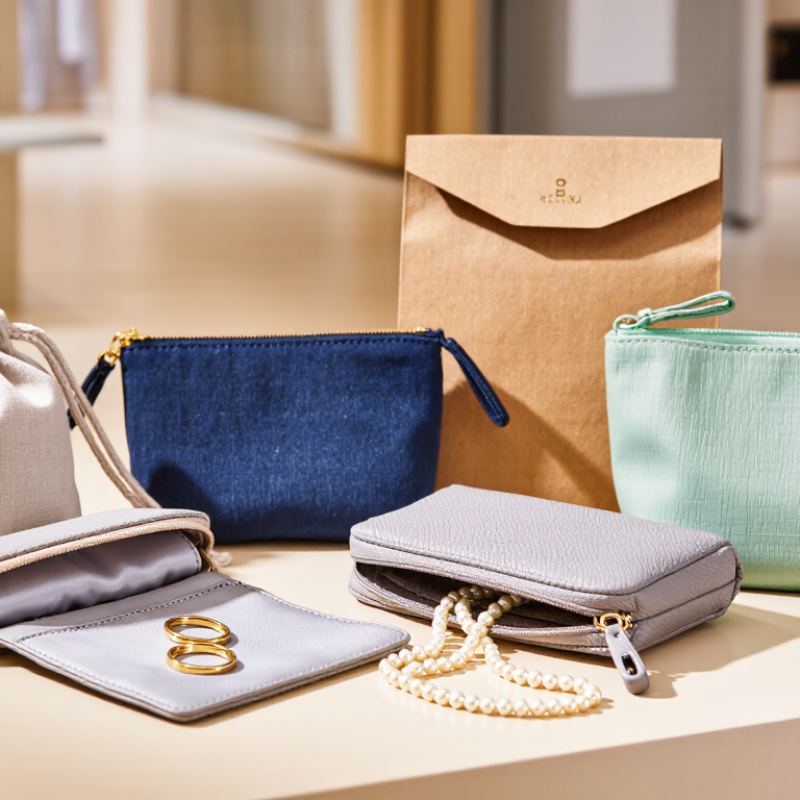
For global buyers, pouch selection should match jewelry shape, handling, and display needs. Soft velvet drawstring pouches suit lightweight earrings and promotional orders. Cotton or linen envelopes create a natural presentation, but loose fibers may catch delicate chains. Zippered microfiber pouches offer stronger protection during daily shipping. Rigid foldable pouches support premium pieces, although they require more storage space. Travel rolls with separate slots help prevent metal contact and tangled necklaces.

Small flaws matter. Buyers should inspect stitching, lining, edge binding, closure strength, and color consistency. Rub the fabric with a clean white cloth. Check for shedding, odor, and staining. A pouch may look attractive under showroom lighting but fail after repeated opening. Request samples from different production batches. Test the pouch with the actual jewelry, not a substitute. I have found that oversized compartments often let small pieces move too freely. That detail is easy to miss.

Customization should include dimensions, fabric weight, lining color, logo placement, drawcord length, and packaging method. Ask for a digital artwork proof before production. Confirm whether printed marks remain clear after folding. Reliable sourcing also requires written specifications, realistic lead times, quality checkpoints, and transparent minimum quantities. An independent inspection can compare finished goods against the approved sample. Low prices may hide weak stitching or inconsistent materials. They are not always cheaper. Leave room for improvement after the first order. Supplier feedback, defect records, and buyer reviews can reveal practical issues that a polished sample conceals.

Close