How to Choose the Best Bottle and Wine for Every Occasion?
Choosing the right bottle and wine can elevate any event. According to renowned sommelier Mark McCauley, "Wine is not just a drink; it’s an experience." This statement captures the essence of what to consider when selecting a bottle and wine for a specific occasion.
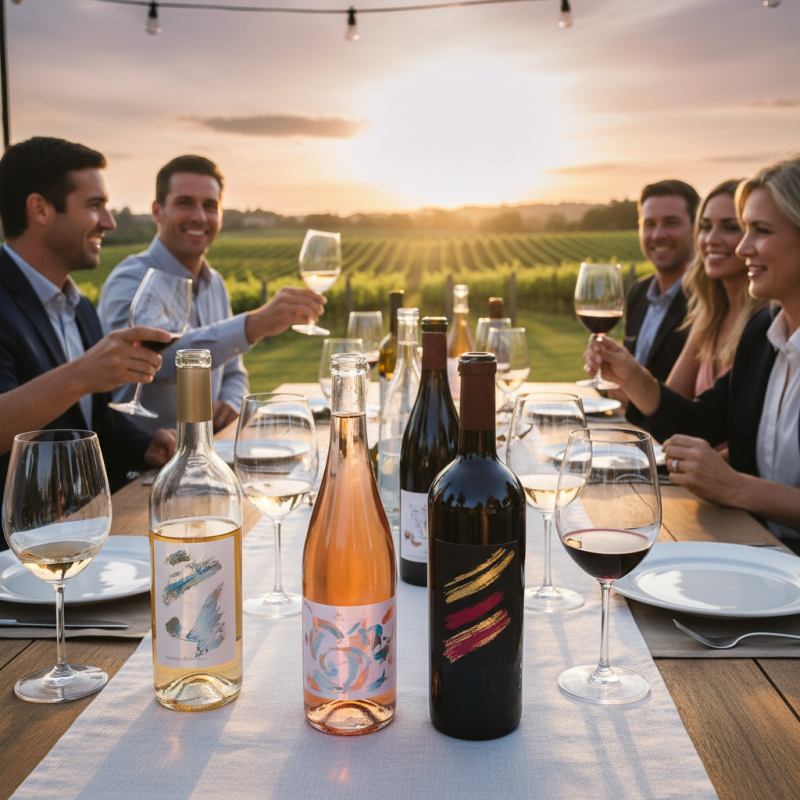
Each event has its nuances. A casual picnic might require a crisp white or light rosé. For a formal dinner, a full-bodied red might be more fitting. The bottle's aesthetics also matter. A beautiful label can impress guests, but the wine inside is what truly counts. Think about the flavors that resonate with you and your guests.
However, choosing is not always easy. Mistakes can happen. A wine chosen for its hype may not please everyone’s palate. It’s important to reflect on personal tastes while also considering your guests. With thought and care, selecting the right bottle and wine can create memorable moments that last.
Understanding Different Wine Types and Their Characteristics
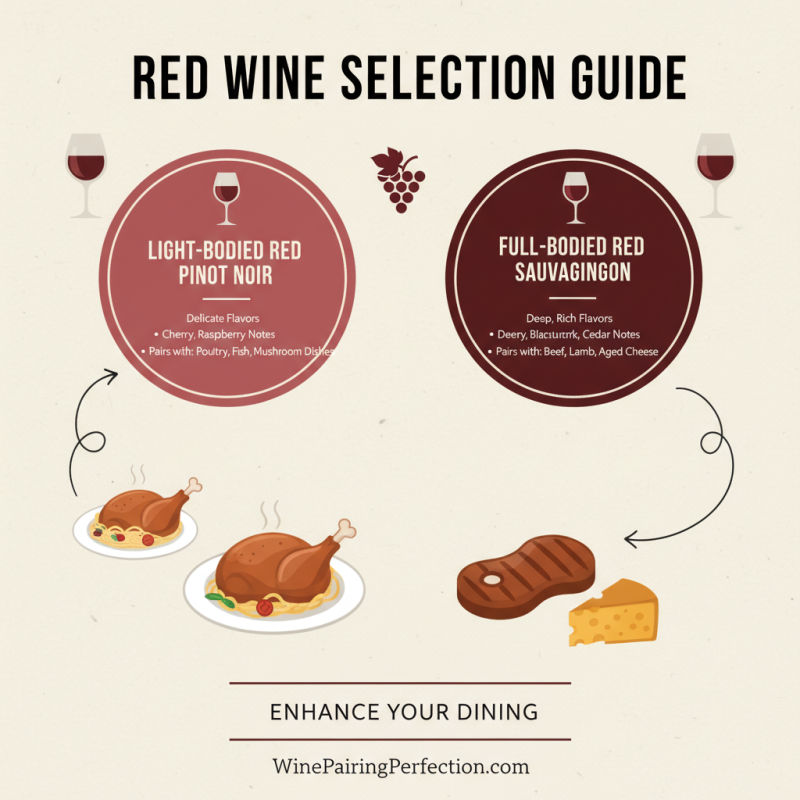
When selecting a wine, it’s essential to understand the different types and their unique characteristics. Red wines range from light to full-bodied. A light-bodied red, like Pinot Noir, has delicate flavors and pairs well with lighter dishes. Meanwhile, a robust Cabernet Sauvignon offers deeper flavors, perfect for red meats. These combinations enhance the meal experience.
White wines, such as Chardonnay or Sauvignon Blanc, offer vibrant options. A crisp Sauvignon Blanc complements seafood beautifully. On the other hand, an oaked Chardonnay may suit a creamy pasta dish. The choice of wine can elevate the dining atmosphere yet can easily lead to confusion. Did you know some wines can taste vastly different based on their region? Exploring the characteristics can be daunting, but it is part of the journey.
Sparkling wines are a category worth exploring as well. They bring a celebratory touch to occasions. Whether it’s a Prosecco for brunch or Champagne for a toast, these wines add a unique flair. However, sometimes the bubbly can overwhelm the palate. It’s important to try various options and discover your preferences. The world of wine is vast, and navigating it requires both adventure and the acknowledgment of mistakes along the way.
Factors to Consider When Selecting a Wine for an Occasion
Choosing the right wine for an occasion can seem daunting. Many factors come into play. Understanding the event type is crucial. A casual picnic may call for a light, refreshing wine. In contrast, a formal dinner party might require something more complex. Think about the food pairings too. Certain wines complement specific dishes better than others.
Tips: Consider your guests’ preferences. Not everyone has the same taste. Offering a variety may create a better experience. Look for seasonality as well. A rich, full-bodied wine might be ideal for winter, while a crisp, chilled option suits summer.
Don't forget about the budget. You don’t need to spend a fortune to find quality wine. Sometimes, local or lesser-known wines offer exceptional value. Pay attention to labels and descriptions, but beware of overanalyzing. When uncertain, trust your instincts. Wine selection is personal; it should resonate with you and your guests.
Pairing Wine with Food: Enhancing Your Dining Experience
Pairing wine with food can elevate a meal. A study from the American Association of Wine Economists found that 70% of diners believe wine enhances their overall experience. Choosing the right wine is not just about taste; it’s about balance. Light dishes like seafood often pair well with crisp white wines. A rich, creamy dish might need a fuller-bodied wine to complement its flavors.
Many people make common mistakes. They often choose wine based solely on preference rather than the meal. For instance, red wine with fish can clash, while a firm white can provide a refreshing contrast. One report indicated that 40% of consumers were unsure about proper pairings, leading to missed opportunities for flavor enhancement. Understanding the dynamics of acidity, sweetness, and texture can guide better choices.
Consider the setting too. A casual gathering might suit a fun, fruity wine, while formal dinners call for more complex choices. Reflecting on these decisions is key. Disregarding wine pairings can detract from the experience. Taking the time to learn can truly make a difference.
How to Choose the Best Bottle and Wine for Every Occasion?
| Occasion |
Wine Type |
Food Pairing |
Serving Temperature |
Glass Type |
| Dinner Party |
Cabernet Sauvignon |
Grilled Steak |
60-65°F |
Bordeaux Glass |
| Romantic Dinner |
Pinot Noir |
Duck Breast |
55-60°F |
Burgundy Glass |
| Celebration |
Champagne |
Seafood Platter |
40-50°F |
Flute Glass |
| Family Gathering |
Merlot |
Pasta with Marinara |
55-60°F |
All-Purpose Glass |
| Casual Gathering |
Sauvignon Blanc |
Salads and Light Dishes |
45-50°F |
White Wine Glass |
Choosing the Right Bottle: Quality, Packaging, and Presentation
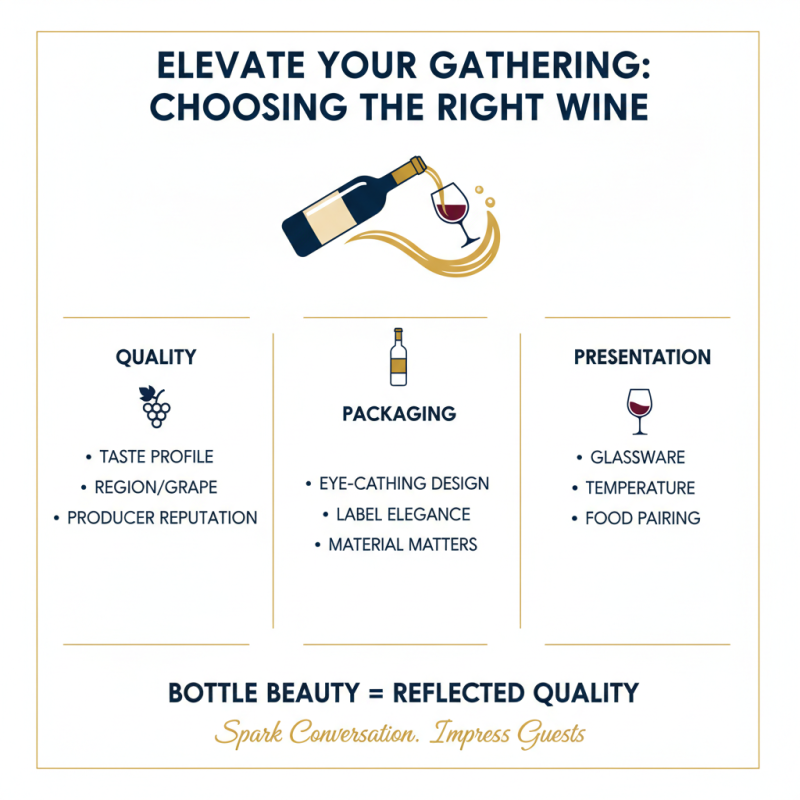
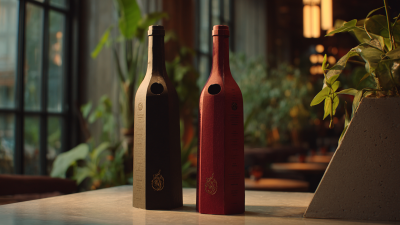
Choosing the right wine can elevate any gathering. Quality, packaging, and presentation are key factors. A beautiful bottle can catch the eye and spark conversations. A simple yet elegant design often reflects the quality inside.
Tips: When selecting a bottle, consider the occasion. For casual events, go for approachable wines. For formal dinners, a sleek and sophisticated bottle stands out. Look for wines that have a story. This adds a personal touch and can lead to interesting discussions around the table.
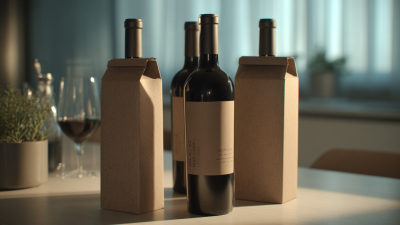
Presentation matters too. A well-chosen bottle can enhance the overall experience. Use a wine bag or box that complements the theme of the event. Remember, not every bottle needs to be expensive. Sometimes, a modest choice presented well can impress your guests just as much.
Tips: Don’t overlook the label. An attractive label can elevate the perception of the wine. Avoid overly complex options. Make choices that reflect your style, but also consider what others might enjoy. Reflect on your choices and be open to trying something new each time.
Tips for Storing and Serving Wine to Elevate Any Event
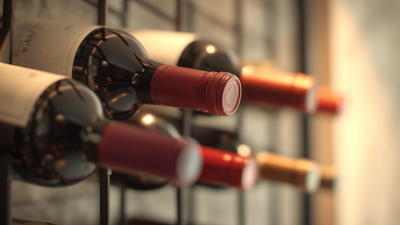
Storing and serving wine can significantly enhance your gatherings. Temperature is crucial. Red wine often tastes best around 60-65°F, while white wine should be cooler, around 45-50°F. Using a wine thermometer can help. It’s easy to overlook the storage situation. Keep bottles upright to avoid cork damage, especially if you don’t plan to drink them soon.
When it comes to serving, glassware matters. Choose the right glass to highlight each wine's characteristics. A large bowl for reds allows aromas to breathe, while a slimmer glass suits whites. And don’t rush. Let the wine sit for a few minutes after pouring. It can release more flavors. Sometimes, it's tempting to skip these steps since they seem trivial. But they can make a noticeable difference in enjoyment.
Be mindful of your pairing choices. Certain foods can overpower wine’s taste. A strong cheese might clash with a delicate white. In contrast, a hearty dish could overshadow a light red. Experiment and note what works for you. This journey isn’t always perfect. Some combinations will fail, but that's part of the learning curve. The key is to refine your approach without fear of mistakes.
Wine Selection Preferences for Various Occasions