Why Choose Spirits Over Wine for Your Next Purchase?
When considering your next purchase, the choice between spirits and wine can be significant. Spirits offer unique flavors and versatility that wine may not match. From rich bourbons to smooth vodkas, the options are diverse. This variety invites exploration and experimentation, appealing to those eager to broaden their palate.
Spirits can often provide more impactful experiences than wine. The higher alcohol content can create memorable moments. A meticulously crafted cocktail can transport you to new places, highlighting different ingredients. On the other hand, wine often serves a more singular purpose on the table.
However, choosing between spirits and wine isn't easy. The enjoyment derived from a fine glass of wine can't be overlooked. Both have their place in our lives. The decision may come down to occasion and personal preference. Reflecting on what you seek can guide your choice. Ultimately, both spirits and wine have their unique merits, and exploring them can be a rewarding journey.
Benefits of Spirits: A Comparative Look at Alcoholic Options
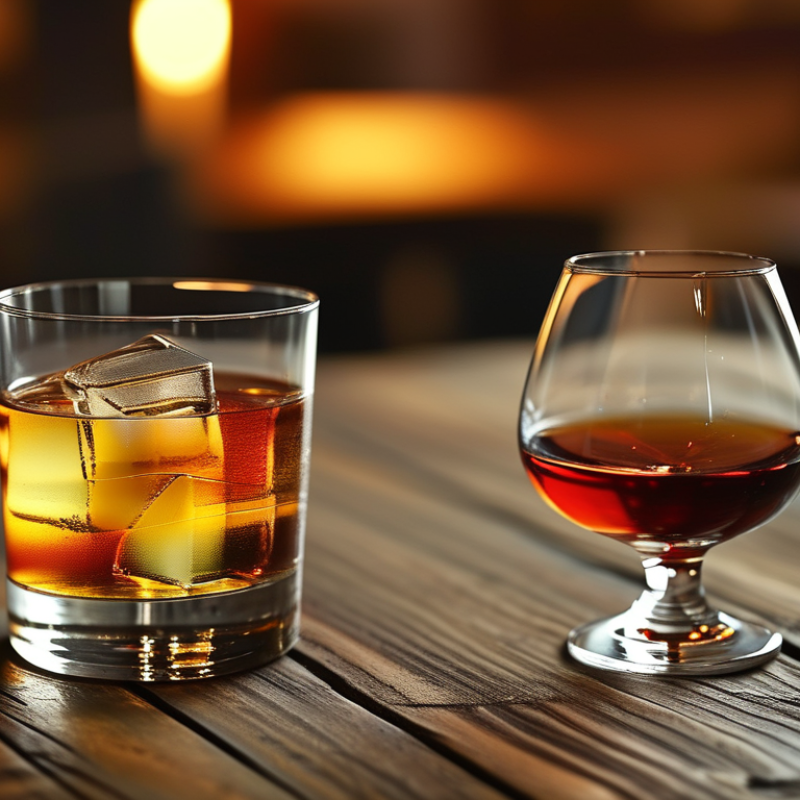
When considering alcoholic options, spirits offer distinct advantages compared to wine. They typically have higher alcohol content, which means you need less to achieve your desired effect. This can make spirits more economical for social gatherings. For those who appreciate flavors, the variety in spirits, from whiskey to rum, highlights unique distillation processes. Each spirit tells a story through its ingredients and aging methods.
Spirits also provide greater versatility in cocktails. With countless mixers and flavor profiles, you can craft a drink to suit any occasion. However, the experience of selecting spirits can feel overwhelming. The choices are vast, and the terminology can be confusing. It’s essential to approach it with curiosity and a willingness to explore.
Another point to reflect on is the potential for higher calories in cocktails, depending on mixers used. While spirits themselves are often lower in sugar, additional ingredients can alter this. Drinking spirits requires more conscious choices about what to mix. Overall, understanding these factors enhances your experience and helps you make informed decisions at your next purchase.
Versatility of Spirits in Cocktails and Mixed Drinks
When contemplating your next drink purchase, spirits often emerge as a versatile choice. Unlike wine, spirits can elevate a cocktail with depth and complexity. They can be mixed with a myriad of ingredients, from fresh fruits to bitters. This flexibility allows for endless creativity, catering to various taste preferences.
For those who may feel overwhelmed in choosing spirits, here are some tips. Start with classic cocktails to understand the basics. For example, a simple gin and tonic highlights the spirit's botanical notes. Experiment with different mixers and garnishes to see how flavors can shift dramatically.
It's important to reflect on your preferences. Do you enjoy sweet, sour, or bitter flavors? This will guide your selection of spirits for mixing. Remember, the art of mixing cocktails is as much about balance as it is about individual taste. Don’t hesitate to make mistakes; each creation offers learning opportunities.
Embrace the process and you'll find your favorite combinations over time.
Flavor Profiles: Exploring the Complexity of Spirits
When exploring the world of spirits, one quickly realizes the depth of flavor profiles available. Spirits like whiskey, rum, and gin offer a wide range of taste experiences. According to a report by the Distilled Spirits Council, premium spirits sales grew by 24% in 2021, indicating a rising curiosity among consumers. This growth reflects an expanding appreciation for complex flavors.
Unlike wine, which is often characterized by fruity or floral notes, spirits can present a myriad of tastes influenced by their ingredients and distillation process. For instance, aged whiskey can reveal notes of oak, vanilla, and caramel. In contrast, gin can have a refreshing blend of botanicals, from juniper to citrus. The Alcohol and Tobacco Tax and Trade Bureau highlights that the diversity in distillation techniques contributes to these unique profiles. Yet, some consumers might overlook the intricate flavors, opting for simpler options.
Additionally, understanding spirits can be a journey of discovery. There’s a wealth of information to uncover, and not every tasting will yield positive results. Some spirits may overwhelm the palate or simply not appeal to individual preferences. This variability encourages consumers to try different brands and styles, forging a deeper connection with their choices. It’s essential to approach this exploration with an open mind, as each sip can unveil unexpected complexities.
Why Choose Spirits Over Wine?
Cost Considerations: Spirits vs. Wine in Financial Value
When considering cost, spirits often provide better financial value than wine. A mid-range bottle of whiskey can serve multiple cocktails. Each drink may cost under five dollars. In contrast, a decent bottle of wine may range from fifteen to thirty dollars. This makes spirits a more economical choice for entertaining.
The versatility of spirits enhances their value. One bottle can create various cocktails, saving you money. Wine, however, is limited. Wine pairings can be expensive and are less adaptable to different occasions. While wine offers a certain allure, spirits can cater to various tastes and budgets.
However, it's crucial to consider consumption habits. Spirits have higher alcohol content. This can lead to quicker consumption and potential overindulgence. Finding the balance between quality and quantity is essential. Reflecting on your purchasing choices can help you navigate these options wisely. Ultimately, thoughtful exploration can reveal the true value of your next purchase.
Why Choose Spirits Over Wine for Your Next Purchase? - Cost Considerations: Spirits vs. Wine in Financial Value
| Category |
Average Price per Bottle |
Average ABV (%) |
Servings per Bottle |
Cost per Serving |
| Wine |
$15 |
12% |
5 |
$3.00 |
| Whiskey |
$30 |
40% |
17 |
$1.76 |
| Vodka |
$25 |
40% |
17 |
$1.47 |
| Rum |
$20 |
35% |
14 |
$1.43 |
| Tequila |
$35 |
40% |
17 |
$2.06 |
Cultural Significance: The Role of Spirits in Social Settings
In many cultures, spirits hold a unique place in social gatherings. They often act as communal beverages, creating connections among people. Unlike wine, spirits often have stronger flavors, which can enhance the overall experience of a celebration. Cocktails, for instance, allow for creativity and personalization. This aspect adds excitement to social interactions.
Spirits can signify special moments, marking milestones or achievements. Think about toasting at weddings or birthdays. Each sip tells a story and invokes emotions. The role of spirits isn’t just about getting intoxicated; it’s about savoring life’s experiences. They often serve as a conversation starter, breaking the ice between strangers.
However, the influence of spirits can be complex. While they create memorable experiences, they also require responsible consumption. The line between celebration and excess can sometimes blur. It’s essential to approach these traditions with awareness. Balancing enjoyment with mindfulness can lead to a better appreciation of what spirits represent in our social fabric.