How to Choose the Perfect Bottle and Wine for Any Occasion?
Choosing the right bottle and wine can elevate any occasion. Renowned sommelier Andrew Knowlton once said, "The right wine makes every meal a celebration." Selecting a bottle is not just about taste; it's about the experience.
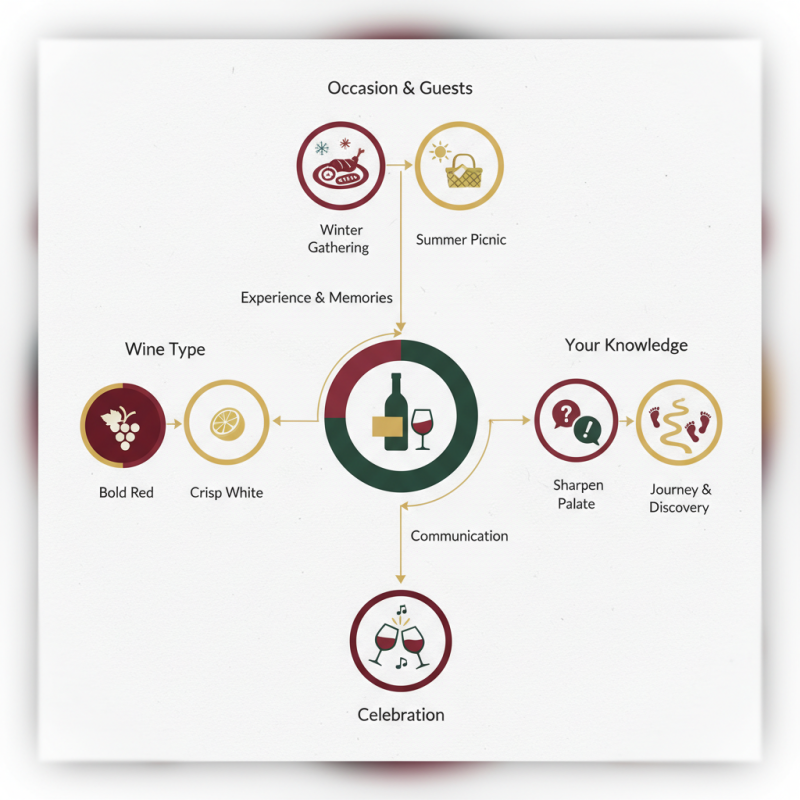
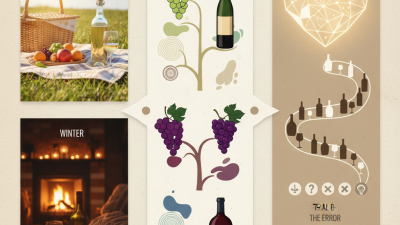
Consider the event’s theme and your guests’ preferences. A bold red may suit a winter gathering, while a crisp white is perfect for summer picnics. Each bottle communicates a message. Picking the wrong type can lead to awkward moments or silence at the table.
Reflect on your own wine knowledge. It’s okay to make mistakes. Some selections may not hit the mark. Learning from these choices will sharpen your palate. Discovering the world of bottle and wine is a journey, not a race. Enjoy each sip and the memories created along the way.
Understanding Different Types of Wine for Various Occasions
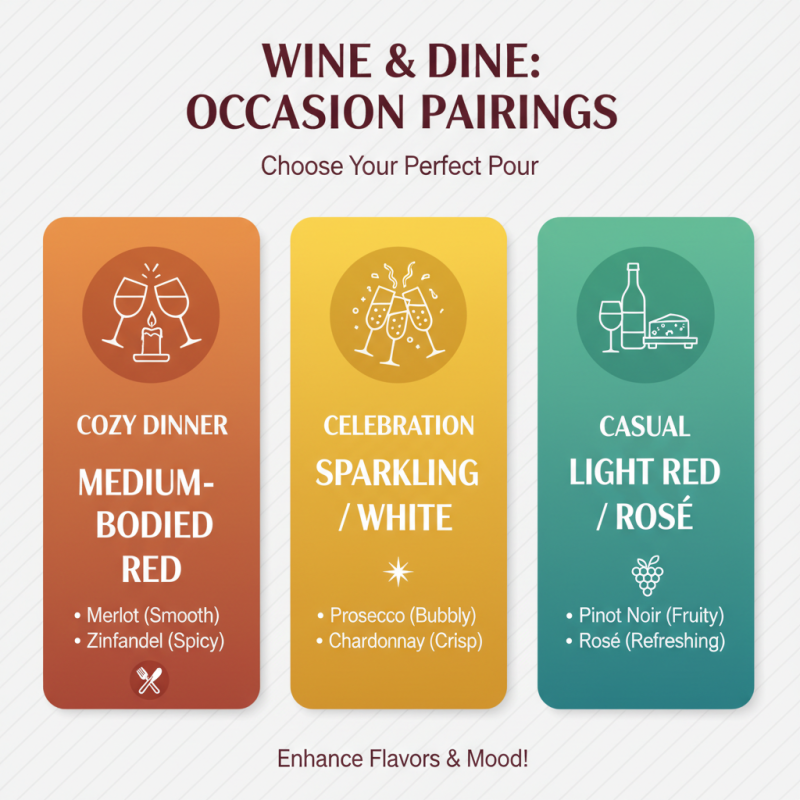
Choosing the right wine for an occasion can be tricky. Different types of wine suit various settings and moods. For a cozy dinner, a medium-bodied red works well. Think of a smooth Merlot or a spicy Zinfandel. These wines enhance rich flavors in food.
Outdoor picnics call for something lighter. A crisp Sauvignon Blanc can refresh the palate. The bright acidity pairs nicely with salads and seafood. Sparkling wines are also a hit. They bring joy to celebrations and casual get-togethers. A toast feels more festive with bubbles.
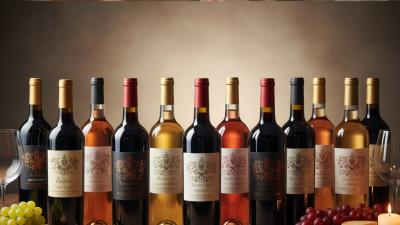
Sometimes, you might choose a wine based on presentation. Beautiful labels can catch the eye, but that isn’t always the best choice. Don't let visuals lead your decision. Also, consider your guests’ preferences. It’s okay if you don’t know everyone’s tastes. Experimenting can lead to delightful surprises. Try a flight of wines and let your guests choose their favorites. It creates a fun interaction.
Factors to Consider When Choosing the Right Bottle of Wine
Choosing the right bottle of wine for any occasion can be daunting. It requires consideration of multiple factors. One key element is the type of event. A casual picnic calls for a light, refreshing wine, while a formal dinner may warrant a fuller-bodied choice. According to a recent industry report, over 60% of wine consumers select wines based on food pairings, reflecting the significance of matching flavors.
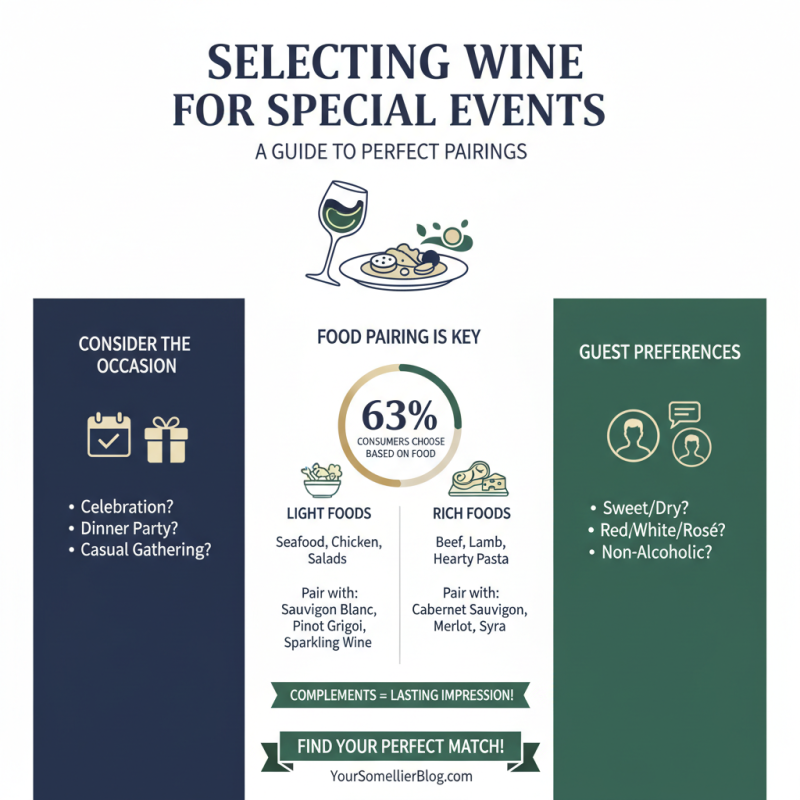
Taste profiles are another important factor. Sweet, dry, fruity, or earthy? Preferences can vary widely. The right wine can elevate a meal. For example, a crisp Sauvignon Blanc pairs well with seafood, while a robust Cabernet Sauvignon complements red meats beautifully. Industry data indicates that 75% of consumers claim to enjoy wine more when it matches their meal.
**Tip:** Keep a flavor wheel handy. It helps in understanding wine characteristics and finding the perfect match for your dish. Remember to consider the season too. Warm weather often calls for whites or rosés, while reds are comforting in winter.
Also, reflect on your guests' preferences. Wine choice can be subjective. A favorite wine for one might not suit another's taste. Engaging guests in the selection process can make the occasion more enjoyable. Balancing personal preferences with the event's theme is crucial for a memorable experience.
How to Choose the Perfect Bottle and Wine for Any Occasion?
| Occasion |
Type of Wine |
Food Pairing |
Price Range |
| Birthday Celebration |
Sparkling Wine |
Appetizers, Cakes |
$15 - $50 |
| Wedding |
Champagne |
Seafood, Chicken |
$50 - $150 |
| Dinner Party |
Red Wine |
Steak, Pasta |
$20 - $80 |
| Picnic |
Rosé |
Salads, Sandwiches |
$10 - $30 |
| Holiday Dinner |
White Wine |
Turkey, Vegetarian Dishes |
$15 - $60 |
Matching Wine with Food: A Guide for Successful Pairings
Choosing the right wine to complement your meal can elevate any dining experience. When pairing wine with food, consider the essence of each dish. White wines often pair beautifully with seafood and poultry. For red meats, a full-bodied red can enhance flavors effectively. Research indicates that 75% of diners appreciate a meal more when paired with the right wine.
Tip: Consider the weight of the dish. Light dishes request lighter wines. A heavy steak deserves a robust red. Acidic wines can balance richer flavors. For instance, a citrusy Sauvignon Blanc cuts through creamy sauces. This could create a more complex taste profile that excites the palate.
However, it's important to remain flexible. Sometimes a bold wine may clash with lighter fare. Personal preferences also play a crucial role. Everyone has unique tastes. Don't be afraid to experiment. Try different varietals and discover what resonates with your taste buds. Remember, the goal is to enjoy the experience, even when the pairing isn't perfect.
Wine Pairing Chart: Perfect Matches for Every Occasion
This chart illustrates the popularity of various types of wine when paired with food. Red and white wines tend to be the most favored, while sparkling and rosé wines also enjoy significant popularity in various occasions.
Special Events and Wine Selection: Tips for Making a Lasting Impression
Selecting the right wine for a special event can be challenging. Many factors influence your choice, including the occasion, the food served, and guest preferences. Research indicates that 63% of consumers base their wine choices on food pairing. Understanding what complements your meal is essential for making a lasting impression.
Color matters too. Red wine typically pairs well with hearty dishes, while white wine suits lighter fare. For instance, serving a rich steak with a bold red can elevate the meal. Yet, nearly 30% of people might not consider the food. You could end up with an awkward pairing, which can detract from the overall experience.
Additionally, consider the occasion. A formal event may call for a more refined selection. Industry studies reveal that 70% of individuals feel wine selection reflects the host's taste. Unfortunately, many overlook this detail. The wrong choice can lead to a lackluster experience for your guests. Thoughtful wine selection can create dialogue and enhance the atmosphere, leaving a memorable impression.
Understanding Wine Labels and Packaging for Informed Choices
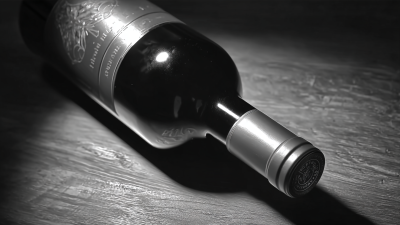
Understanding wine labels and packaging is essential for making informed choices. Wine labels provide a wealth of information. They can help you identify the type of wine, its origin, and even the grape variety. A well-designed label attracts attention, but what lies behind it matters more.
Tips: Look for key terms like “single vineyard” or “reserve.” These indicate quality. Old World wines often list the region, while New World wines typically highlight the grape varietal. Understanding these distinctions can guide your selection.
Packaging also plays a significant role. Cork versus screw cap? Generally, screw caps are easier to open and can keep wine fresher. However, traditionalists favor cork for its classic feel. Reflect on what matters most to you.
Always check the alcohol content on the label. Higher alcohol content often means bolder flavors. But don’t get swayed by trendy labels. Take your time to reflect and examine the details. The ideal bottle should resonate with your taste and occasion.