How to Choose the Right Packaging Line for Your Business?
Choosing the right Packaging Line is crucial for any business aiming to optimize efficiency. According to a report by Smithers Pira, the global packaging market will reach $1.2 trillion by 2024, highlighting its growing importance. A well-designed packaging line can lead to reduced costs and increased productivity, making it a vital consideration for manufacturers.
When evaluating options, businesses should address unique requirements and production volumes. Not all packaging lines are suitable for every product. Flexibility becomes essential as companies often face fluctuating consumer demands. A line that meets current needs may not cater to future growth, making adaptability a key factor in decision-making.
Moreover, it is essential to consider the long-term operational impacts of the chosen packaging line. Investing in advanced technology can initially seem costly, yet, in the long run, it can ensure sustainability and compliance with industry regulations. Businesses must weigh these factors closely and reflect on how their choice in packaging line can influence their overall success and responsiveness in a competitive market.
Understanding Your Business Packaging Needs and Goals
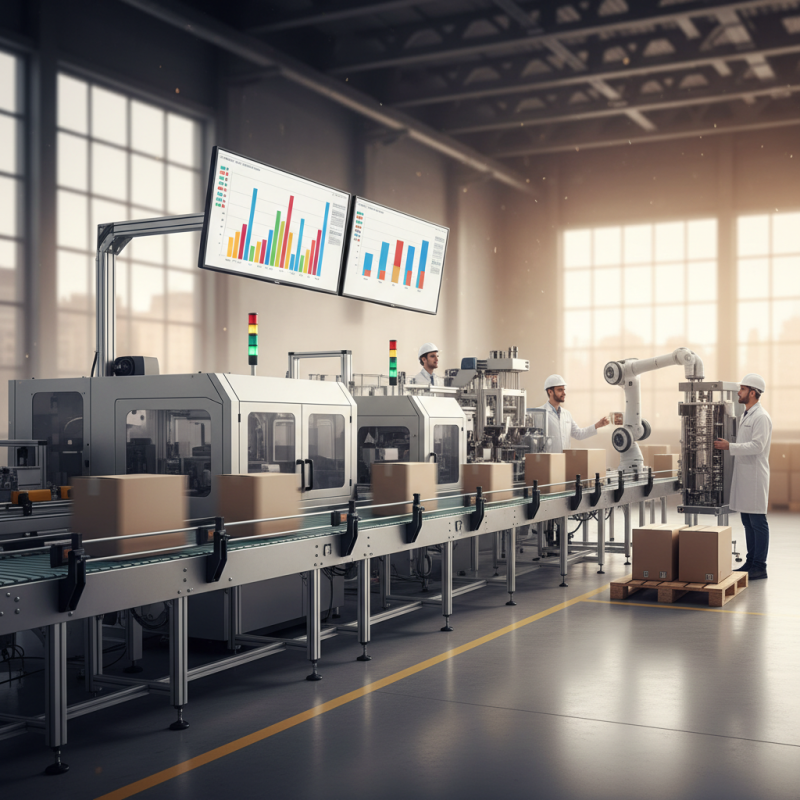
Understanding your business packaging needs and goals is essential for success. Each company has unique requirements that affect packaging choices. Analyze your product types, shelf life, and target market preferences. These factors will help determine the materials and design that best suit your offerings.
It’s also crucial to consider your production capacity. A high-speed packaging line may seem appealing, but will it meet your output demands? Reflect on your growth projections. Will your packaging needs evolve over time? Think about sustainability as well. Many consumers prioritize eco-friendly options, so incorporating recyclable materials can be beneficial.
Additionally, never underestimate the importance of testing your packaging solutions. Gather feedback from customers and employees. Are the packages user-friendly and visually appealing? If something feels off, be prepared to revise your approach. Flexibility in making adjustments demonstrates a commitment to quality and customer satisfaction. Your packaging line is a reflection of your brand, so ensure it aligns with your business objectives.
Analyzing Different Types of Packaging Line Technologies
When selecting the right packaging line, understanding available technologies is crucial. Various packaging line solutions exist, each catering to different industry needs. For instance, automated systems can enhance efficiency. In fact, up to 75% of manufacturers report increased productivity with automation. However, the initial investment can be significant.
Another popular type includes semi-automatic lines. These offer flexibility for small to mid-sized companies. They typically require less capital and are customizable. Reports indicate that 60% of small businesses favor semi-automatic systems for versatility. Yet, they may not match the output speed of fully automated lines.
Lastly, consider eco-friendly packaging technologies. Sustainable practices are increasingly important. More than 40% of consumers prefer brands that prioritize sustainability. However, implementing green technologies can be a learning curve. Companies must evaluate their supply chains. This assessment can reveal logistical challenges in adopting eco-friendly materials. Every choice comes with trade-offs. Making informed decisions ensures alignment with business goals and consumer expectations.
Evaluating Packaging Line Production Capacity and Efficiency Data
When selecting the right packaging line, evaluating production capacity and efficiency is crucial. Begin by assessing the expected output. Understand your operational needs. Capacity should align with your sales goals. Too little capacity means missed opportunities. Conversely, overestimating can lead to wasted investment.
Next, analyze efficiency metrics. Look at cycle times and downtimes. A line with high efficiency may initially appear appealing. However, be cautious of claims that seem too good to be true. Sometimes, high performance does not translate into real-world conditions. Consider maintenance needs and potential bottlenecks. These can drastically affect overall productivity.
Finally, gather real-world data. Consult industry benchmarks and peer experiences. Insights from similar businesses can reveal potential pitfalls. Understanding fluctuating demand patterns is also important. Those variations can impact your line's performance. It's not just about numbers—it's also about adaptability and resilience in operations. Making informed decisions ensures better alignment with your business goals, creating a sustainable packaging solution.
Packaging Line Production Capacity and Efficiency
Assessing Costs: Initial Investment vs. Long-term Savings in Packaging
When assessing costs for a packaging line, it's crucial to weigh initial investments against potential long-term savings. The upfront expenses of machinery and equipment can be daunting. However, these costs can lead to significant efficiency gains over time. A more efficient packaging line can reduce labor costs and material waste. This can ultimately improve your bottom line.
Tips: Consider the total cost of ownership. Look beyond upfront costs. Evaluate maintenance, energy consumption, and labor needs. These factors can impact long-term savings greatly.
Analyzing your production needs is vital. Do you have fluctuating demand? A flexible packaging line can adapt better and save costs in the long run. You might initially spend more, but the return on investment could justify it. Choosing the right technology is essential. It should suit both current needs and future growth.
Tips: Research various technologies in the market. Stay informed about innovations. Sometimes, the latest solutions can save you money in the long run. But, ensure they meet your specific requirements. Balancing cost and performance is not always easy, but it's necessary.
How to Choose the Right Packaging Line for Your Business? - Assessing Costs: Initial Investment vs. Long-term Savings in Packaging
| Packaging Type | Initial Investment ($) | Annual Maintenance Cost ($) | Expected Lifespan (Years) | Long-term Savings ($) |
| Semi-Automatic Line | $50,000 | $5,000 | 7 | $30,000 |
| Fully Automatic Line | $150,000 | $10,000 | 10 | $100,000 |
| Manual Packaging | $10,000 | $3,000 | 5 | $5,000 |
| Custom Packaging Solution | $80,000 | $7,000 | 8 | $40,000 |
Selecting Packaging Line Features: Automation, Flexibility, and Scalability
Choosing the right packaging line is crucial for business efficiency. Automation is a key feature. It can enhance speed and consistency. Automated systems reduce human error, saving time and resources. However, finding the right level of automation requires careful consideration. Not every business needs a fully automated line. Smaller operations may benefit from semi-automated systems, striking a balance between efficiency and cost.
Flexibility is another essential feature. Packaging needs can change based on product variations. A flexible line can handle multiple product types and sizes without extensive adjustments. This adaptability can keep production flowing smoothly. You might need to invest in changeover equipment, which can be a costly oversight. Still, the long-term gains often outweigh these initial costs.
Scalability shouldn't be overlooked. As your business grows, your packaging line should too. A scalable solution can accommodate increasing demand without a complete overhaul. It’s essential to assess how easy it is to upgrade equipment or add sections to your existing line. This planning can prevent significant downtime during expansions and ensure sustained growth. Reflecting on these elements will greatly enhance your decision-making process.