How to Choose Wine in Paper Bottles for Sustainable Drinking?
Choosing wine in paper bottles marks a new chapter in sustainable drinking. This innovative packaging aims to reduce our ecological footprint. Paper bottles are lightweight and recyclable, making them an environmentally friendly option. Yet, the quality of wine within must remain a top priority.
When selecting wine in paper bottles, consider the source. Organic vineyards often use sustainable practices. Look for labels that highlight their environmental commitment. Not all wines in paper bottles are created equal. Understanding the production process helps find high-quality options. Seek brands known for their expertise in packaging and wine production.
Taste is subjective and requires exploration. Try different varieties to discover personal preferences. Be mindful of the wine's flavor profile and origin. Sometimes, paper bottles may not deliver the same experience as glass. This inconsistency invites discussion about the future of wine packaging. Reflecting on these factors can enhance the enjoyment of sustainable choices.
Understanding the Benefits of Paper Bottles for Wine
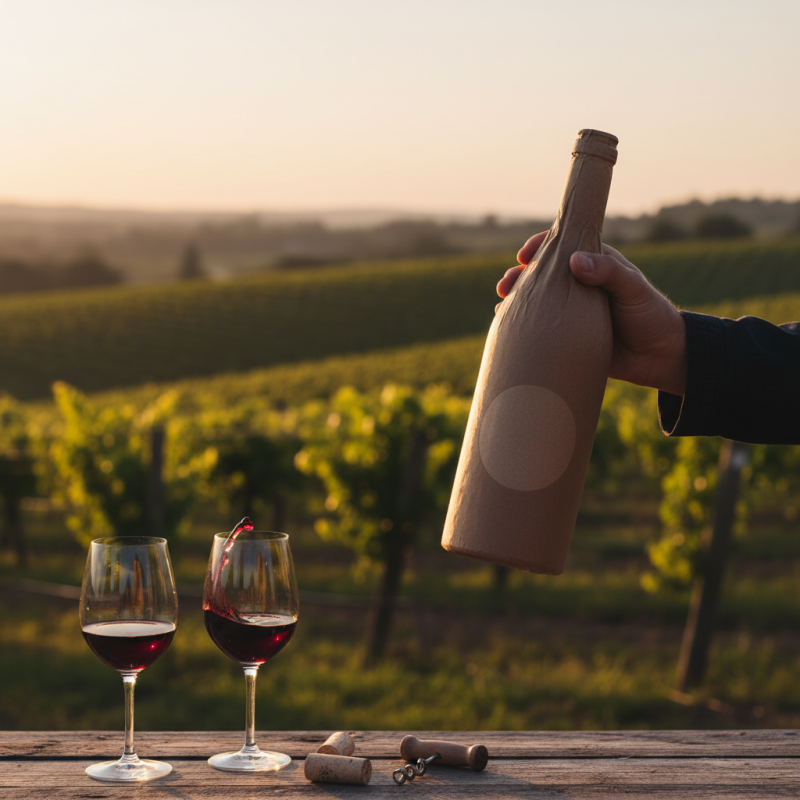
The growing interest in sustainable drinking has brought paper bottles into focus, particularly for wine. Paper bottles, often constructed from recycled materials, provide a notable reduction in carbon footprint compared to traditional glass bottles. According to a 2022 study by the Beverage Marketing Corporation, switching to paper bottles could cut production emissions by up to 70%. This shift signifies a growing awareness among consumers and producers alike regarding the environmental impact of packaging.
When considering paper bottles, it's essential to be aware of the material's durability. These bottles are designed to hold liquid securely, but there can be concerns about leakage or shelf life. Research indicates that a well-constructed paper bottle can maintain the wine's integrity for a reasonable period. Make sure to check the packaging details and storage recommendations for the best experience.
**Tips:** Look for certifications or eco-labels on paper bottles. This ensures that the materials used are sustainably sourced. Also, consider participating in local recycling initiatives to ensure paper bottles don't end up in landfills. As the industry evolves, it's crucial to remain informed and adaptable. Embrace the new wave of sustainable packaging, but reflect on its challenges as well.
How to Choose Wine in Paper Bottles for Sustainable Drinking? - Understanding the Benefits of Paper Bottles for Wine
| Wine Type |
Flavor Profile |
Suggested Pairing |
Sustainability Score (out of 10) |
| Chardonnay |
Crisp, buttery, and oaky |
Grilled chicken, lobster |
9 |
| Merlot |
Smooth, fruity, and rich |
Red meat, pasta dishes |
8 |
| Sauvignon Blanc |
Fresh, citrusy, and herbal |
Salads, seafood |
10 |
| Cabernet Sauvignon |
Bold, full-bodied, and complex |
Steak, dark chocolate |
7 |
| Rosé |
Floral, light, and berry-like |
Cheese platters, light appetizers |
9 |
Identifying Quality Indicators in Paper Bottled Wines
When choosing wine in paper bottles, understanding quality indicators is crucial. The texture of the paper should feel sturdy yet flexible. This balance indicates quality packaging that can protect the wine effectively. Avoid bottles that seem overly flimsy or poorly constructed, as they may compromise the contents inside.
Next, consider the label design. A clear and informative label often reflects the commitment of the winemaker. Look for details such as grape variety, vintage, and sourcing methods. A well-designed label can suggest transparency and a focus on quality. However, be cautious of overly extravagant designs that might distract from the wine's true character.
Ultimately, taste is paramount. Seek out producers who prioritize sustainable practices. While taste judgments can be subjective, consistency in flavors is essential. If a wine tastes off or varies significantly with each bottle, rethink your choice. Quality should not be an afterthought, even in innovative packaging.
Sustainability Metrics: Evaluating Eco-Friendly Wine Brands
When selecting eco-friendly wine brands, several sustainability metrics come into play. A report from the Wine Industry Sustainable Alliance suggests that wine production contributes approximately 2.5 billion pounds of carbon dioxide emissions annually. Therefore, assessing a wine's carbon footprint is critical. Brands that use renewable energy sources or have implemented energy-efficient practices can significantly lower environmental impact.
Packaging is another vital factor. Paper bottles, for instance, can reduce overall waste. A study published in the Journal of Wine Economics shows that paper packaging can cut pollution by up to 80% compared to traditional glass bottles. However, not all paper bottles are created equal. Evaluating the source and materials used in production is essential for ensuring true sustainability.
Additionally, water usage in wine production is an often-overlooked metric. The average vineyard requires about 650 gallons of water to produce one case of wine. Brands promoting water conservation practices are more responsible choices. Sustainable viticulture practices should also be transparent. Brands should clearly communicate their methods, allowing consumers to make informed decisions. Reflecting on these details can lead to more responsible drinking habits.
Tasting Notes: How to Assess Paper Bottled Wine Flavors
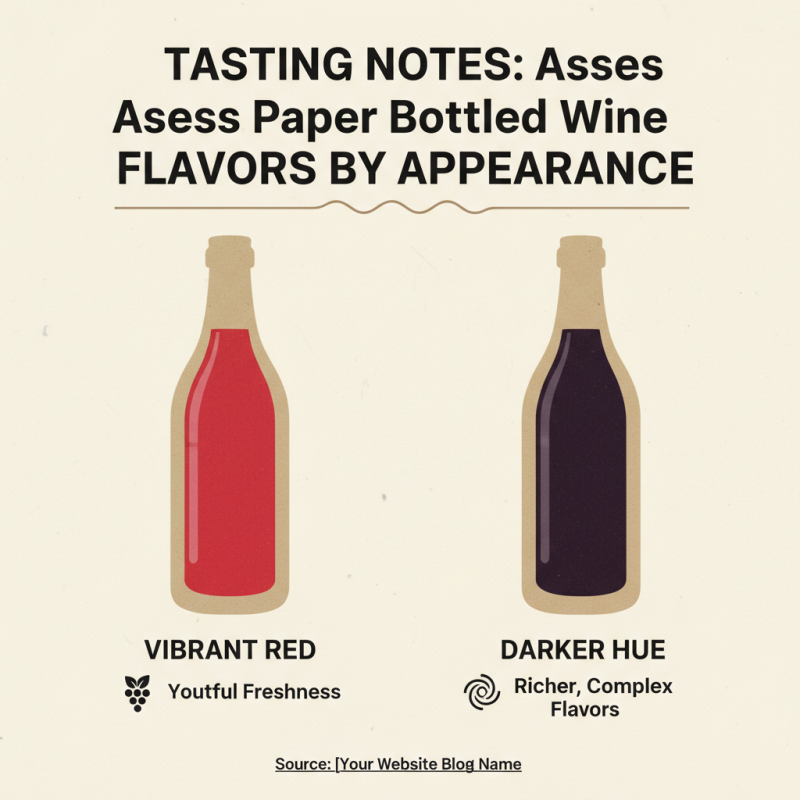
When assessing flavors in paper bottled wine, start by examining the appearance. The color of the wine can provide insights. A vibrant red, for instance, may indicate youthful freshness. Meanwhile, a darker hue might suggest richer, more complex flavors.
Next, focus on aroma. Swirl the glass gently, and bring it to your nose. You might pick up hints of berries, herbs, or even earthy notes. According to the Beverage Marketing Corporation, the aroma can enhance the overall tasting experience by up to 75%. This means giving time to fully enjoy the scent is vital.
On the palate, seek balance. A well-crafted paper bottled wine should have harmony between acidity and sweetness. The body should feel appropriate, neither too light nor overwhelmingly heavy. A 2022 report highlighted that 62% of consumers prefer wines with a clean finish, which often signifies quality. Reflect on your experiences and preferences as you explore different varieties. Each paper bottled wine tells its unique story through flavor, making the journey rewarding.
Storage and Serving Tips for Paper Bottled Wines
When it comes to storing paper bottled wines, temperature control is essential. Keep the bottles upright in a cool, dark place, ideally between 50°F and 65°F. This helps maintain the wine's integrity. Avoid drastic temperature changes that can harm the wine. Remember, even though these bottles are eco-friendly, they still need proper care.
Serving paper bottled wines is about the experience. Chill white wines to about 45°F for optimal flavor. Pour slowly to minimize oxidation. If you notice sediment, be careful when pouring the last glass. It can ruin the smooth taste. Trust your senses; sometimes wine can taste different based on the environment. Don't hesitate to experiment with food pairings that bring out new flavors.
Be aware of the challenges, though. Paper bottles can be more sensitive to light and temperature than glass. This can affect their longevity. If a wine develops an unusual taste, it may not be spoiled but may need reflection. Awareness of these factors can enhance your experience. Enjoy discovering the unique characteristics of each bottle.
Wine Consumption and Preferences by Type