Top 10 Digital Trends Shaping the Future of Wine and Spirits Industry
In the rapidly evolving landscape of the wine and spirits industry, digital transformation is no longer a mere trend but a fundamental change that shapes how brands interact with consumers. As noted by Dr. Emily Harris, a leading expert in beverage innovation, "Embracing technology is essential for businesses in the wine and spirits sector to stay relevant and meet the changing expectations of today's consumers." This sentiment underscores the urgency for companies to adapt to new digital tools and platforms that enhance engagement and drive sales.
From blockchain traceability to augmented reality experiences, the top digital trends are redefining traditional practices and opening new avenues for growth within the wine and spirits wine and spirits market. As companies leverage data analytics, social media marketing, and e-commerce strategies, they create more personalized and interactive experiences that resonate with consumers. In this dynamic context, understanding and implementing these digital trends is critical not just for survival, but for leadership in the competitive wine and spirits landscape.

Impact of E-commerce on Wine and Spirits Sales
E-commerce has revolutionized the wine and spirits industry, providing unprecedented access for consumers and drastically changing sales dynamics. According to a recent report by IWSR, the global online wine and spirits market is projected to grow over 30% by 2025, indicating a significant shift in purchasing behavior. This growth can be attributed to the convenience of online shopping, allowing consumers to explore a vast range of products from the comfort of their homes. Additionally, the COVID-19 pandemic accelerated this trend, as many turned to online platforms for their beverage needs during lockdowns.
To leverage these changes effectively, businesses should focus on enhancing their online presence. Here are some tips: First, invest in an intuitive and user-friendly website that showcases your products with vibrant imagery and detailed descriptions. Second, implement targeted marketing strategies, such as personalized email campaigns, to engage with your customer base and drive repeat purchases. Third, consider collaborating with delivery services to ensure fast and reliable shipping, which is critical in the competitive e-commerce landscape.
Furthermore, integrating social media into your sales strategies can amplify reach and foster community around your brand. Engaging with customers on platforms like Instagram and Facebook can lead to higher conversion rates, as consumers often seek recommendations and reviews before making purchases. As e-commerce continues to shape the future of the wine and spirits industry, adapting to these trends will be vital for sustained growth and consumer satisfaction.
Impact of E-commerce on Wine and Spirits Sales
Rise of Social Media Marketing in the Beverage Industry
The rise of social media marketing is revolutionizing the wine and spirits industry, enabling brands to connect with consumers in innovative ways. Platforms like Instagram, Facebook, and TikTok have become crucial for showcasing products visually and engaging with a younger demographic. Wineries and distilleries are no longer just selling a product; they’re telling their stories, highlighting craftsmanship, and sharing the experiences associated with their beverages. This shift allows consumers to feel more connected to the brands, creating a community of loyal followers.
Tips for effective social media marketing in the beverage industry include posting consistently and utilizing high-quality visuals that capture the essence of your products. Engaging with your audience through interactive content, such as polls or Q&A sessions, can also foster a sense of community. Influencer partnerships can amplify your reach by tapping into established audiences who trust these voices. To further enhance engagement, consider hosting virtual tastings or events that encourage participation and create memorable experiences.
As the digital landscape continues to evolve, brands must stay agile and adapt their strategies to align with consumer behaviors. Utilizing analytics tools can help you track engagement and understand what resonates with your audience, allowing you to optimize your content and broaden your reach effectively.
Advancements in Wine and Spirits Technologies and Production
The wine and spirits industry is witnessing significant advancements driven by technology, reshaping production methods and enhancing overall quality. One notable development is the adoption of precision agriculture, which uses data analytics and sensor technologies to monitor vineyard conditions closely. This allows winemakers to optimize water usage, assess soil health, and determine the perfect harvest time, ultimately leading to better grape quality and increased yield.
In addition to farming innovations, the production side is seeing improvements through automation and robotics. Automated systems streamline fermentation processes and bottling operations, reducing labor costs and minimizing human error. Furthermore, artificial intelligence (AI) is being utilized for predicting market trends and consumer preferences, allowing brands to tailor their products more effectively. Overall, these technological advancements are not only boosting efficiency but also enhancing the consumer experience, paving the way for a more sustainable and responsive industry.
Top 10 Digital Trends Shaping the Future of Wine and Spirits Industry
| Trend |
Description |
Impact on Industry |
Year Anticipated |
| AI-Driven Analytics |
Utilizing AI for market analysis and consumer behavior predictions. |
Enhanced decision-making and targeted marketing strategies. |
2024 |
| Blockchain for Traceability |
Implementing blockchain technology to ensure product authenticity. |
Increased consumer trust and transparency in supply chains. |
2025 |
| E-commerce Expansion |
Growth of online sales platforms for wine and spirits. |
Greater access to products, especially in remote areas. |
2023 |
| Sustainability Practices |
Adopting eco-friendly production methods and packaging. |
Improved brand image and reduced environmental impact. |
2024 |
| Augmented Reality Experiences |
Using AR for interactive consumer engagement and education. |
Enhanced customer experience and brand loyalty. |
2026 |
| Smart Packaging |
Integrating technology into packaging for tracking and information. |
Improved product interaction and consumer feedback collection. |
2025 |
| Personalized Marketing |
Tailoring marketing campaigns based on consumer data. |
Higher conversion rates and customer engagement. |
2023 |
| IoT Integration |
Connecting devices for better inventory and production management. |
Increased efficiency and reduced waste. |
2024 |
| Mobile Apps Development |
Creating apps for purchasing, education, and community building. |
Enhanced accessibility and consumer interaction. |
2023 |
| Virtual Tastings |
Hosting online tasting events to reach wider audiences. |
Increased engagement and sales opportunities. |
2023 |
Sustainable Practices and Their Role in the Future of Beverages
Sustainable practices are rapidly becoming a cornerstone of the wine and spirits industry, shaping consumer preferences and regulatory frameworks alike. According to a report by the International Organization of Vine and Wine, over 75% of consumers now consider sustainability a crucial factor when choosing their beverages. This shift is prompting producers to adopt environmentally friendly methods such as organic farming, water conservation, and eco-friendly packaging. By incorporating sustainable farming practices, wineries not only enhance their brand image but also contribute to the preservation of the environment.
Tips: One effective way to implement sustainable practices is to focus on local sourcing. By using local grapes and materials, producers can reduce their carbon footprint significantly while supporting the local economy. Additionally, incorporating renewable energy sources such as solar or wind power in production facilities can further enhance sustainability efforts.
Moreover, sustainability is not just about environmental impacts; it also encompasses social responsibility. A study by the Wine Market Council suggests that beverages branded as sustainable are likely to attract a younger demographic, especially Millennials and Gen Z. These consumers are more inclined to support brands that demonstrate a commitment to social equity and community development.
Tips: Engaging with local communities through projects or initiatives can bolster brand loyalty among consumers. Offering transparency about sourcing and production practices through storytelling can resonate well with socially conscious buyers.
The Influence of Data Analytics on Consumer Preferences and Trends
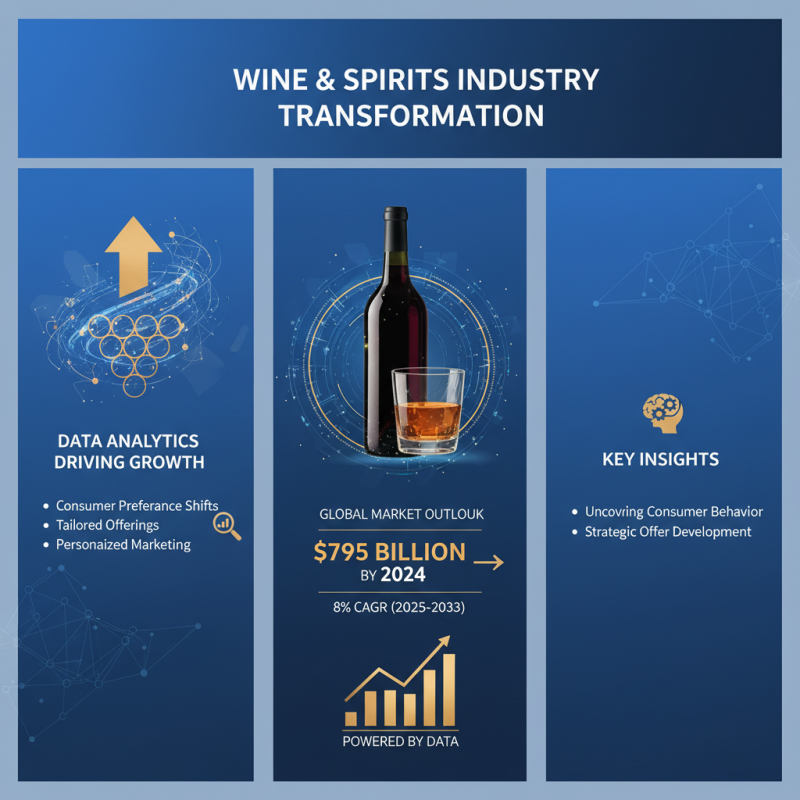
The wine and spirits industry is experiencing a remarkable transformation, primarily driven by data analytics. As consumer preferences shift in response to socio-economic changes, brands are harnessing data to tailor their offerings. According to a recent report, the global wine and spirits market is expected to reach nearly $795 billion by 2024, with a projected compound annual growth rate (CAGR) of around 8% from 2025 to 2033. This surge reflects how analytics are uncovering insights into consumer behavior, enabling companies to create personalized marketing strategies.
Tips: To stay ahead, brands should invest in data analytics tools that track customer engagement and sentiment. Utilizing these insights not only helps in understanding trends but also in predicting future consumer demands. Furthermore, embracing e-commerce channels can significantly enhance market reach and enable real-time feedback loops for continuous improvement.
The integration of predictive analytics is becoming a game-changer in shaping product innovation. Companies can now anticipate shifts in consumer taste, such as the growing preference for organic and sustainably produced beverages. Engaging with this data can foster brand loyalty as consumers increasingly seek authentic and customized experiences in their wine and spirits selections.