Is Wine in a Cup the Future of Drinking Wine?
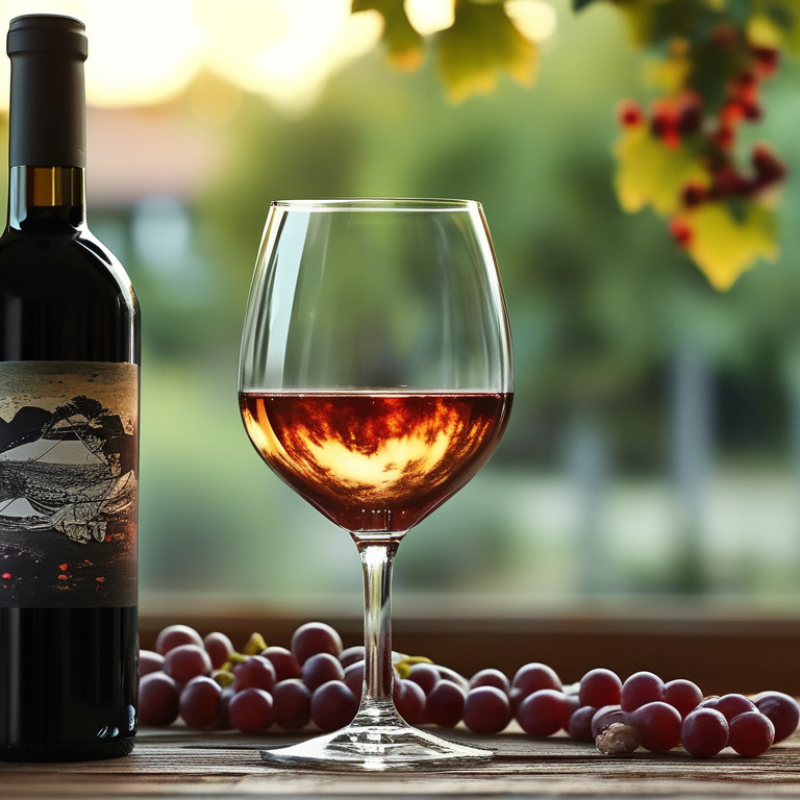
The trend of "wine in a cup" is emerging as a bold new frontier for beverage enthusiasts. Traditionally, wine has been enjoyed from elegant glasses, evoking a sense of luxury and sophistication. However, convenience and practicality are reshaping consumption patterns. Imagine sipping a fine Shiraz from a sturdy, portable cup during a picnic. This scenario reflects a shift towards accessibility without sacrificing enjoyment.
Moreover, the connection between wine and casual settings is growing stronger. Wine in a cup offers a laid-back experience that appeals to younger consumers. They seek social interactions that require less formality. This trend has drawn attention from wineries exploring new packaging and presentation styles. Yet, some purists argue that drinking wine from a cup diminishes its flavor and character.
The conversation around "wine in a cup" raises questions about tradition versus innovation. Will convenience redefine how we appreciate wine? The answer may reveal much about our evolving relationship with this cherished beverage. Embracing this change could lead to broader acceptance and greater enjoyment of wine in everyday situations.
The Rise of Wine in a Cup: An Industry Overview
The trend of wine in a cup is gaining momentum. This phenomenon reflects changing consumer preferences towards convenience and portability. According to industry reports, the global market for wine in ready-to-drink formats is predicted to grow significantly, reaching a valuation of over $9 billion by 2027. This shift is driven by younger consumers who favor easy-to-share wine experiences.
Wine in a cup offers unique advantages. It is lightweight and often comes pre-portioned, making it perfect for outdoor gatherings or casual events. However, the quality of the wine can be variable. Many consumers express concerns about taste compared to traditional bottled wine. Striking the right balance between flavor and convenience remains a challenge for producers.
Tip: Always check for quality indicators, even in convenient formats. Look for wine that uses natural ingredients and sustainable practices. Staying informed can help you make better choices. Remember, wine in a cup can be enjoyable but requires careful selection. Don’t compromise your palate for convenience.
Consumer Preferences: Shift Towards Convenience in Wine Consumption
As wine consumption evolves, convenience is becoming paramount. Busy lifestyles lead many to seek easier drinking options. Traditional wine bottles, while classic, can be cumbersome.
A cup of wine offers a portable and hassle-free alternative. It caters to picnics, outdoor events, and casual sipping on-the-go.
Consumer preferences show a noticeable shift. Many enjoy the freedom that a single-serve cup provides. It eliminates the pressure of opening a whole bottle. Plus, it reduces waste. However, some wine enthusiasts question the experience. Does wine in a cup diminish its elegance? Are we sacrificing flavor for convenience? These are valid points of discussion.
The appeal of convenience may contradict the culture surrounding wine. Wine tasting is often about the ambiance, the ritual, and the experience. A cup might not deliver that same feeling. Still, it serves a purpose in modern society. The balance between tradition and innovation is delicate. Wine in a cup could be the future, but the conversation is ongoing.
Market Statistics: Growth of Single-Serve Wine Packaging Options
The single-serve wine packaging market is on the rise. Recent reports show significant growth in this sector. According to a study by Grand View Research, the global single-serve wine market is expected to reach $4.1 billion by 2028, with a CAGR of 13.6%. This shift is driven by consumer demand for convenience and portion control in drinking.
The appeal of wine in a cup aligns with modern lifestyles. Many consumers are seeking easy consumption options for social events or casual nights at home. A survey by IWSR showed that about 40% of wine drinkers prefer the convenience of single-serve packaging. However, challenges remain. The perception of quality and flavor in single-serve options can be a barrier to some traditional wine enthusiasts.
While the market grows, producers must address these concerns. Educating consumers about the quality of single-serve wine is essential. Many single-serve wines can taste just as good as their bottled counterparts. By focusing on quality and sustainable practices, the industry can continue to thrive. This evolution in wine consumption reflects broader trends in consumer behavior and lifestyle changes. The future may indeed favor the cup.
Environmental Impact: Sustainability in Wine Packaging Innovations
The wine industry faces significant pressure to adapt to sustainability. Recent data suggests that packaging accounts for a large portion of a wine's environmental footprint. In fact, studies show that glass bottles contribute around 68% of the total lifecycle emissions of wine. This alarming statistic raises important questions about traditional practices.
Innovations in packaging are emerging as potential solutions. For instance, wine in cups or cans offers a lighter-weight alternative. This shift could reduce transportation emissions by up to 30%, according to industry reports. Cans are often made from recycled materials and are fully recyclable themselves. They're not only practical but increasingly accepted by consumers.
The challenge lies in consumer perception. Some wine enthusiasts remain skeptical about alternatives to glass. A survey revealed that 40% of wine drinkers feel that packaging affects their enjoyment of wine. This cognitive dissonance must be addressed to encourage wider acceptance. It’s an evolving conversation that highlights the need for education and change within the industry.
Is Wine in a Cup the Future of Drinking Wine? - Environmental Impact: Sustainability in Wine Packaging Innovations
| Packaging Type |
Environmental Impact (CO2 Emissions per liter) |
Recycling Rate (%) |
Sustainability Score (1-10) |
Consumer Preference (%) |
| Glass Bottle |
1.5 kg |
70 |
7 |
50 |
| Canned Wine |
0.9 kg |
75 |
8 |
35 |
| Bag-in-Box |
0.6 kg |
60 |
6 |
40 |
| Wine in a Cup |
0.5 kg |
80 |
9 |
60 |
Comparative Analysis: Traditional Bottles vs. Cups in Wine Sales Trends
Wine consumption is evolving. Traditional bottles have long dominated the market. However, recent trends indicate a growing interest in wine cups. According to market analysis, wine sales in cups have increased by 35% in the past two years. This shift may appeal to younger consumers seeking convenience.
Cups offer portability and ease of use, particularly at outdoor events and parties. Research shows that 41% of millennials prefer casual drinking experiences over formal settings. They value practicality. Many enjoy wine on the go, moving away from traditional rituals. Yet, some experts highlight potential drawbacks of cups. They may lack the perceived sophistication of glass bottles.
Furthermore, wine quality can be compromised. Experts warn that plastic or paper cups may alter the taste. The future of wine drinking could see a balance between tradition and modernity. As the industry adapts, both formats might coexist. The question remains: can cups truly offer a comparable experience to classic wine bottles, or are they merely a trend?
Is Wine in a Cup the Future of Drinking Wine?
This chart compares the sales volume of traditional wine bottles and wine served in cups. While traditional bottles still hold the majority with 120 million units sold, the trend towards wine in cups shows a growing preference, with sales reaching 80 million units.