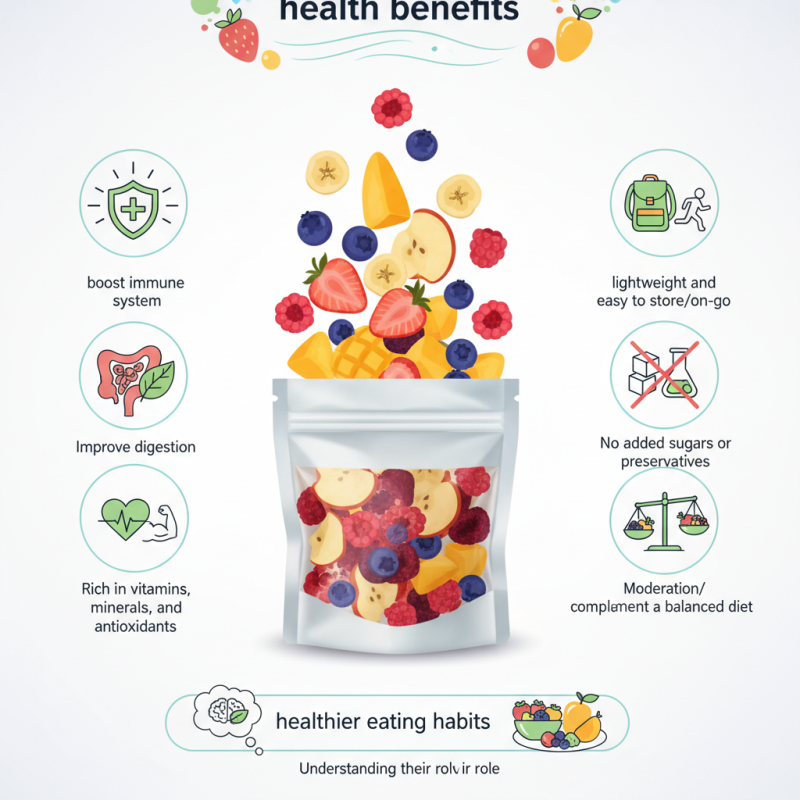
What Are the Health Benefits of Freeze Dried Fruits?
Freeze Dried Fruits have gained popularity as a healthy snack option. These fruits retain most of their nutrients and flavors. They are lightweight and easy to store, making them ideal for on-the-go lifestyles.
Nutritionally, Freeze Dried Fruits are rich in vitamins, minerals, and antioxidants. They can boost your immune system and improve digestion. However, it’s essential to choose brands without added sugars or preservatives. Sometimes, the taste can be too concentrated or artificial, resulting in an overwhelming flavor.
While Freeze Dried Fruits offer convenience, moderation is vital. They should complement a balanced diet, not replace fresh fruits. Reflecting on our choices encourages healthier eating habits. Embracing these fruits can enhance your health, but understanding their role in your diet is crucial.
Nutritional Profile of Freeze Dried Fruits Compared to Fresh Fruits
Freeze-dried fruits offer a unique nutritional profile that can differ from fresh fruits. A study published in the Journal of Food Science highlighted that freeze-drying preserves about 90% of the nutrients found in fresh fruits. This process retains vitamins such as vitamin C and minerals, which are often lost during traditional drying methods.
However, not all nutrients remain intact. For example, some antioxidants may degrade through heat exposure during processing. Freeze-dried strawberries contain around 80% of their original vitamin C, but fresh strawberries pack more than just that. A serving of fresh strawberries has higher fiber content, which is essential for digestive health.
Consumers benefit from the convenience of freeze-dried fruits. They are lightweight, easy to store, and have a long shelf life. Yet, the taste can differ. Some people find freeze-dried fruits lack the juiciness of fresh varieties. It's crucial to consider both forms when aiming for a balanced diet. Maintaining variety helps ensure all nutritional needs are met.
Nutritional Comparison of Freeze-Dried Fruits and Fresh Fruits
This chart illustrates the nutritional profile of freeze-dried fruits compared to fresh fruits, highlighting the key health benefits and nutrient concentrations.
Preservation of Vitamins and Minerals in the Freeze Drying Process
Freeze drying preserves the nutritional value of fruits exceptionally well. This process removes moisture while keeping vitamins and minerals intact. For example, vitamin C and most B vitamins survive effectively. This means freeze dried fruits maintain a concentrated level of nutrients, making them a great snack option.
When you choose freeze dried fruits, you get a burst of flavor without added sugars. They can be added to smoothies, cereals, or enjoyed on their own. Fresh fruits can lose nutrients during storage, but freeze dried options retain their quality for longer. This gives you a handy way to enjoy fruits year-round.
Tip: Store freeze dried fruits in a cool, dark place. This helps maintain their quality. Avoid areas with high humidity, as moisture can affect their texture and taste.
Tip: Consider using freeze dried fruits in baking. They can add a unique flavor without impacting the recipe significantly. Remember, while freeze dried fruits are nutritious, they are not a perfect substitute for fresh ones. Balance is key in a healthy diet.
Health Benefits of Antioxidants Found in Freeze Dried Fruits
Freeze-dried fruits are gaining attention for their health benefits, particularly their high antioxidant content. Antioxidants help combat oxidative stress in the body. They neutralize harmful free radicals that can damage cells and lead to chronic diseases. Fruits like berries, apples, and bananas retain these beneficial compounds even after the freeze-drying process.
One key advantage of freeze-dried fruits is their convenience. They can be easily added to smoothies, oatmeal, or eaten as snacks. This makes it simpler to include nutrient-rich foods in daily diets. However, it's important to pair them with other whole foods for balanced nutrition. Sometimes, people rely too much on processed alternatives, forgetting the value of fresh produce.
Additionally, the natural colors of freeze-dried fruits often signify their antioxidant levels. Bright hues indicate the presence of powerful phytonutrients. While these fruits are a great addition, they shouldn't replace fresh options entirely. Reflection on one's overall diet is essential. Striking a balance can lead to optimal health benefits.
Health Benefits of Freeze Dried Fruits
| Fruit Type | Antioxidant Content (mg/100g) | Health Benefits | Vitamin Content (mg/100g) |
| Strawberries | 250 | Improves heart health, boosts immunity | 58.8 Vitamin C |
| Blueberries | 350 | Enhances brain health, reduces inflammation | 9.7 Vitamin C |
| Raspberries | 200 | Supports digestive health, rich in fiber | 26.2 Vitamin C |
| Bananas | 120 | Provides energy, aids in digestion | 8.7 Vitamin C |
| Apples | 150 | Lowers cholesterol, supports weight loss | 4.6 Vitamin C |
Convenience and Shelf Life: Advantages of Freeze Dried Fruits
Freeze dried fruits offer remarkable convenience. They are lightweight and easy to store. Packing them for hikes or snacks is simple. Just toss a few into your bag and you’re set. Their compact nature makes them a great option for camping trips, travel, or busy days.
The shelf life of freeze dried fruits is impressive. They can last for years if stored properly. This means you can buy in bulk without worrying about spoilage. Having them on hand ensures you always have healthy snacks available. No need to rush to the store when hunger strikes. However, it’s essential to consider that the flavor can change over time. Sometimes, the fruits may not taste as vibrant after extended storage.
The preparation of these fruits is minimal. You simply add water, and they rehydrate quickly. This ease of use is attractive for those with little time. Yet, it’s crucial to remember that not everyone enjoys their texture. Some may find the crunchiness unappealing. Balancing taste and convenience can be a challenge. Experimenting with different ways to incorporate them into meals can make the difference.
Incorporating Freeze Dried Fruits into a Balanced Diet
Incorporating freeze-dried fruits into a balanced diet can offer various health benefits. These fruits retain essential nutrients and flavors. They are lightweight and easy to add to meals. A study by the Academy of Nutrition and Dietetics found that freeze-dried fruits maintain up to 90% of their original vitamins.
Adding freeze-dried fruits to your breakfast can boost its nutritional value. Mix them with oatmeal or yogurt. They provide fiber, vitamins, and antioxidants. One serving of freeze-dried strawberries has about 45 calories and 3 grams of fiber. Just remember, they can be higher in sugars. This can mislead your daily intake.
For snacking, freeze-dried fruits are a convenient alternative. However, be cautious about portion sizes. A single serving can be more than you expect. Pay attention to how you feel after eating them. Sometimes, they can lead to cravings. Before adding them to your diet, consider your overall sugar intake. This small adjustment can help maintain a healthy balance.