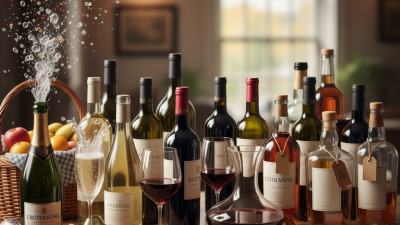
Why Does Quality Matter in Wine in the Bottle?
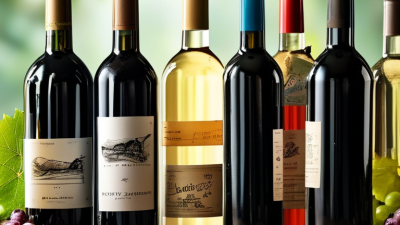
Quality plays a crucial role in the world of wine in the bottle. It influences both consumer satisfaction and market pricing. According to the IWSR Drinks Market Analysis, the premium wine segment has seen a growth rate of 4% annually, highlighting the increasing demand for quality. Consumers are willing to pay more for wine they perceive as high quality.
However, not all wines in the bottle meet these expectations. Inconsistent quality can lead to disappointment and confusion among buyers. A study by Wine Spectator found that nearly 30% of wine drinkers have experienced a bottle that did not match their expectations. This discrepancy often results from improper storage, variations in the supply chain, or even flaws in bottling processes.
The conversation around quality also raises questions about how wineries can maintain consistency. While some producers emphasize tradition and craftsmanship, others focus on technological improvements. Yet, both methods can miss the mark, leading to bottles that do not deliver the anticipated experience. It is essential for producers to reflect on their practices to ensure that every wine in the bottle truly represents their brand and meets consumer desires.
Factors Influencing Wine Quality in the Bottle
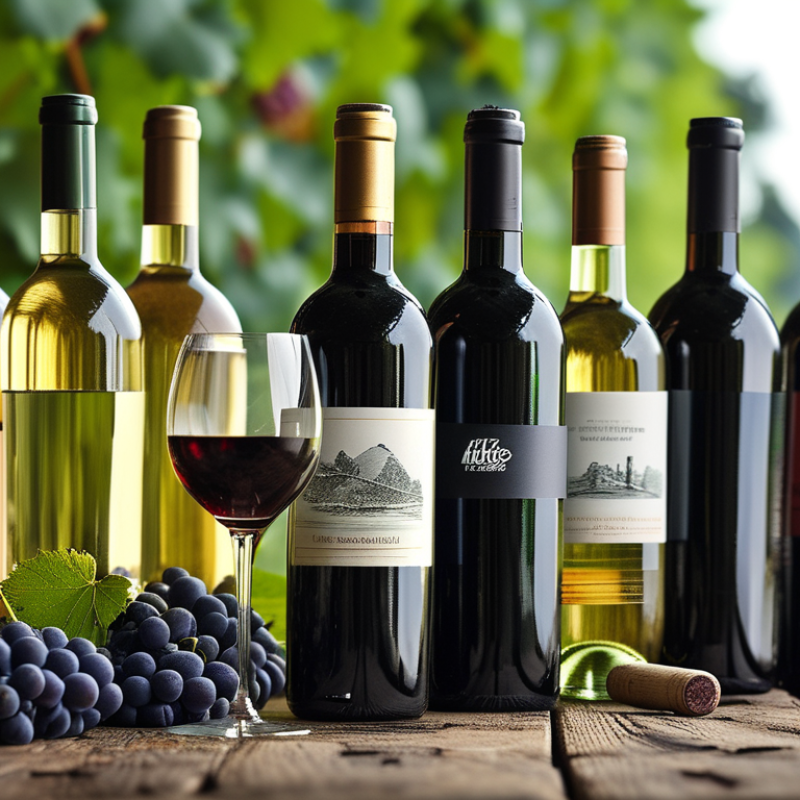
When it comes to wine, quality in the bottle is vital. Several factors influence this quality. One critical aspect is grape selection. High-quality grapes often lead to a better final product. However, even top grapes can yield poor wine if not handled correctly. The winemaking process plays a significant role as well.
Fermentation techniques can significantly impact flavor. A lack of attention during this phase can spoil the wine's potential. Aging conditions are another important factor. Temperature fluctuations or exposure to light can deteriorate wine quality over time. Many wines are sensitive; they require specific conditions to evolve beautifully.
Moreover, cork closure can affect wine in significant ways. Poor-quality corks can lead to oxidation, ruining the wine. On the other hand, synthetic closures may not breathe as well, impacting flavor development. Finding the right balance is a constant challenge for winemakers. Each bottle tells a story shaped by various factors, and even minor oversights can lead to disappointing results.
Chemical Composition and Its Impact on Wine Quality
Wine quality is deeply influenced by its chemical composition. The balance of acids, sugars, and tannins plays a crucial role in defining the flavors and aromas. When these elements are in harmony, the wine exhibits complexity and richness. Conversely, an imbalance can lead to a flat or off-putting taste. Understanding this balance can elevate your wine experience.
Tips: Consider the acidity level. A higher acidity often results in a fresher taste. This is particularly important for white wines. Conversely, reds may benefit from a more robust tannin structure. Experimenting with different profiles can lead to delightful discoveries.
The aging process also affects chemical composition. Oxygen exposure causes changes in flavor compounds, often enhancing the wine over time. However, not all wines improve with age. Some can become dull or excessively woody. Trust your palate and make notes on your experiences. This reflection will deepen your understanding of wine.
Why Does Quality Matter in Wine in the Bottle? - Chemical Composition and Its Impact on Wine Quality
| Wine Type |
pH Level |
Total Acidity (g/L) |
Alcohol Content (%) |
Tannin Level (mg/L) |
Flavor Profile |
| Cabernet Sauvignon |
3.5 |
6.0 |
14.5 |
700 |
Blackcurrant, Spices |
| Chardonnay |
3.1 |
7.5 |
13.0 |
150 |
Apple, Citrus, Butter |
| Merlot |
3.4 |
5.5 |
14.0 |
400 |
Plum, Chocolate |
| Pinot Noir |
3.6 |
5.8 |
13.5 |
300 |
Cherry, Earthy |
| Sauvignon Blanc |
3.0 |
6.0 |
12.5 |
120 |
Green Apple, Grass |
Aging Process and Its Role in Wine Quality Preservation
The aging process is crucial in preserving wine quality. As wine ages, complex chemical reactions take place. Tannins soften, acidity balances, and flavors evolve. These changes enhance the wine’s aroma and taste, creating a more refined experience.
However, not all wines benefit from aging. Some are better enjoyed young. The wrong storage conditions can also spoil a wine. Heat, light, and humidity affect its development. Thus, understanding how aging impacts quality is essential. It influences not just enjoyment, but also investment potential.
Observing a wine’s color can reveal much about its age. Younger wines are often vibrant and bright. In contrast, aged wines display deeper hues. These visual cues may help both novices and experts assess wine maturity. While aging can elevate quality, it requires careful consideration and monitoring. Each bottle tells a unique story of its journey through time.
Impact of Aging on Wine Quality Scores
This chart illustrates the average quality scores of wine as it ages over time. As demonstrated, the quality scores tend to increase as the wine is aged, peaking at around 10 to 15 years. This reflects the impact of the aging process on wine quality preservation.
Influence of Storage Conditions on Wine Quality
The quality of wine in the bottle can be significantly influenced by storage conditions. Numerous studies indicate that factors such as temperature, humidity, and light exposure play crucial roles. For instance, the optimal storage temperature for most wines is around 55°F (13°C). Temperatures above 70°F (21°C) can accelerate aging and lead to undesirable flavors.
Humidity is equally important. A relative humidity of 60-70% is ideal to prevent corks from drying out, which can allow air to enter the bottle. On the other hand, a humidity level that's too high can lead to mold growth on the cork and labels. Reports show that light exposure, particularly ultraviolet (UV) light, can degrade wine quality over time, leading to fading of flavors.
Despite this knowledge, many consumers remain unaware of proper storage practices. A survey found that over 40% of wine lovers store bottles in kitchens or near windows. Such environments often expose wine to heat and fluctuating temperatures. This highlights a gap in understanding how preservation methods can impact long-term quality. Even a seemingly minor oversight in storage can lead to notable changes in a wine's character. This reality prompts a reflection on how essential proper conditions are for enjoying wine at its best.
Consumer Perception and Quality Assessment in Wine Industry
When it comes to wine, perception shapes the experience. Consumers often connect quality with specific attributes like aroma, taste, and complexity. A delicate bouquet may suggest elegance. A robust flavor profile can indicate depth. However, these impressions are subjective. They vary from person to person.
Many factors influence consumer perception. Labels, pricing, and vintage all play a role. But are these indicators truly reliable? A high price tag doesn't always guarantee superior quality. Similarly, a fancy label may mask flaws. Understanding this disconnect is crucial. Consumers must navigate a market filled with information and misinformation.
Quality assessment isn't just about personal taste. It also involves expert evaluations and blind tastings. These provide a more objective measure. Yet, even experts can disagree. One critic may find a wine delightful, while another may deem it flawed. This subjectivity highlights the importance of a discerning palate. It prompts us to question our own judgments and preferences.