

What Is Livestock Injection and How Does It Work?
Livestock Injection is a practical cornerstone of modern animal health. It delivers vaccines, antibiotics, vitamins, hormones, and other veterinary medicines beneath the skin, into muscle, or directly into the bloodstream. Each route changes how quickly the active ingredient works. A subcutaneous injection may form a small swelling under loose skin. An intramuscular injection places medicine deeper, where blood flow can support absorption. The correct choice depends on the product label, species, age, and veterinary assessment.
The need is substantial. The FAO’s World Food and Agriculture: Statistical Yearbook 2023 reports that livestock contributes about 40% of global agricultural output value. WOAH has also highlighted that animal diseases can reduce production by roughly 20% worldwide. These figures explain why injection technique matters beyond the treatment room. A misplaced needle, dirty equipment, or incorrect storage can reduce protection and create avoidable welfare problems. Small details matter.
Temple Grandin, a leading livestock-handling and animal-welfare specialist, writes, “Animals don’t know what’s going to happen, and if you can make things predictable, it reduces fear.” Her observation applies directly to injection handling. Calm movement, secure restraint, and clear procedures can reduce struggling before the needle touches skin. Still, injection is not automatically safe or effective. The FDA’s 2023 report on medically important antimicrobials shows continuing attention to responsible use in food-producing animals. This article explains how Livestock Injection works, what happens after delivery, and why professional oversight remains essential. Some practices appear simple. They are not always simple. Even experienced handlers must review labels, withdrawal periods, needle selection, and local veterinary guidance.
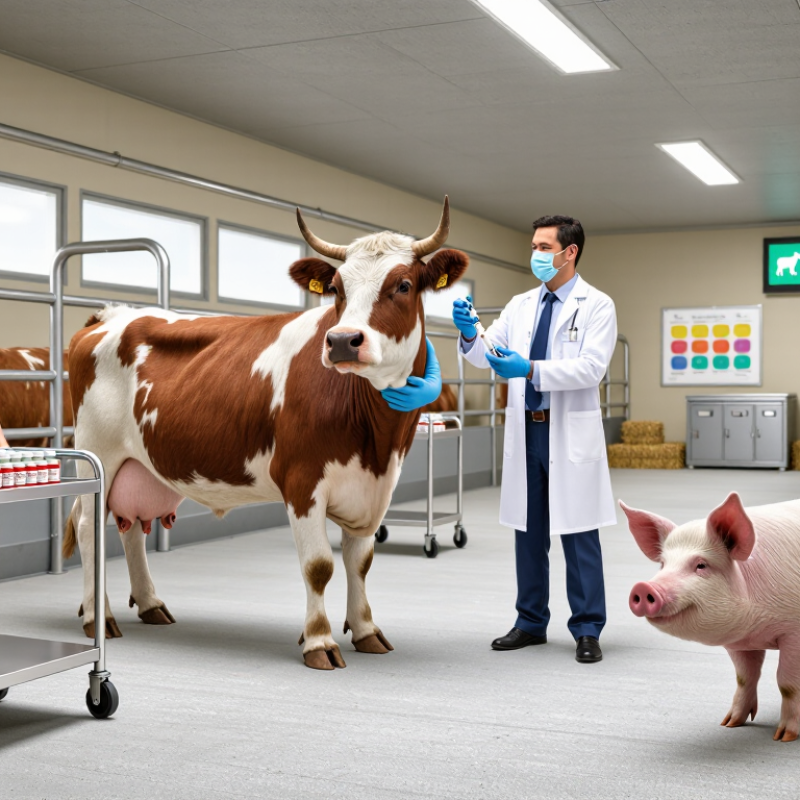
What Livestock Injection Means and Why It Is Used
Livestock injection means delivering a vaccine, medicine, or approved supplement into an animal’s body. It may be given under the skin, into muscle, or through another veterinary-approved route. The purpose depends on the animal’s condition. Vaccines help prevent specific diseases, while prescribed medicines may treat infections or inflammation. Some injections support recovery when an animal cannot take medicine by mouth.
A trained professional selects the product, dose, injection site, and schedule. Weight, age, species, pregnancy status, and health history all matter. The label provides essential instructions, including storage and withdrawal periods for food-producing animals. A practical lesson is that injection work is not merely “putting in a needle.” Poor handling can cause tissue damage, stress, infection, or incorrect dosing. Even careful teams may overlook small details, so records and a second check are valuable. Treatment should never replace better housing, clean water, balanced nutrition, and regular observation.
Tips: Use clean equipment and restrain animals calmly. Check the animal’s identity and weight before dosing. Never guess a dose or combine products without veterinary advice. Keep a written record of the product, amount, date, site, and person responsible. Watch for swelling, breathing problems, unusual weakness, or other reactions. Contact a veterinarian promptly when something seems wrong.
| Injection Category | Primary Purpose | How It Works | Commonly Relevant Species | Typical Administration Route | Key Practical Considerations |
|---|---|---|---|---|---|
| Vaccines | Prevent specific infectious diseases and reduce the severity or spread of illness. | Vaccination exposes the animal's immune system to a safe form or component of an infectious agent, helping it develop immune memory. | Cattle, swine, sheep, goats, poultry, and other farmed animals, depending on the disease and approved product. | Subcutaneous, intramuscular, intradermal, or other route specified by the product instructions. | Vaccines are preventive rather than curative. Correct storage, handling, timing, and booster schedules are important for reliable protection. |
| Antibiotics | Treat certain bacterial infections or prevent infection in carefully justified veterinary situations. | Depending on the medicine, antibiotics may inhibit bacterial growth or kill susceptible bacteria. They do not treat viral infections. | Most commonly cattle, swine, sheep, and goats; use varies according to veterinary diagnosis and local regulations. | Subcutaneous, intramuscular, or intravenous administration, depending on the medicine and animal. | Veterinary oversight is essential. Correct dose, treatment duration, injection site, and withdrawal period help reduce treatment failure, residues, and antimicrobial resistance. |
| Antiparasitic Injections | Control certain internal or external parasites, such as some roundworms, mites, or lice. | The active substance disrupts essential biological processes in susceptible parasites. The range of control depends on the medicine and parasite. | Cattle, sheep, goats, and swine, depending on the approved indication. | Subcutaneous or intramuscular; some products use other approved routes. | Not every parasite is controlled by every medicine. Resistance can develop when treatments are used incorrectly or too frequently. |
| Anti-inflammatory and Pain-Relief Medicines | Relieve pain, inflammation, fever, or discomfort associated with injury, surgery, or disease. | These medicines reduce the production or activity of chemical mediators involved in inflammation and pain. | Cattle, swine, sheep, goats, horses, and other species when specifically approved. | Subcutaneous, intramuscular, or intravenous, according to the medicine. | Species-specific dosing is important because animals differ in metabolism and sensitivity. Veterinary guidance is needed when dehydration, kidney disease, or gastrointestinal problems are present. |
| Hormonal and Reproductive Treatments | Support reproductive management, synchronize estrus, induce ovulation, or assist with specific reproductive conditions. | Hormones or hormone-like medicines act on reproductive tissues and endocrine pathways that regulate ovulation, estrous cycles, or pregnancy-related processes. | Primarily cattle, swine, sheep, and goats, subject to veterinary direction and approved use. | Usually intramuscular or subcutaneous, depending on the treatment. | Timing is critical. Use should follow a documented reproductive plan and comply with animal-welfare and food-safety requirements. |
| Fluid and Electrolyte Therapy | Correct dehydration, electrolyte imbalance, or circulatory fluid loss. | Fluids replenish water and dissolved electrolytes; intravenous administration can deliver them rapidly when clinically necessary. | Calves, lambs, kids, piglets, adult livestock, and other animals with appropriate veterinary assessment. | Intravenous, subcutaneous, or oral therapy; the route depends on severity and the animal's condition. | Severe dehydration or shock requires prompt veterinary care. Incorrect fluid type or volume can cause complications. |
| Vitamins and Minerals | Correct or prevent diagnosed deficiencies and support normal growth, immunity, reproduction, or metabolism. | The injected nutrient enters the body without relying on normal gastrointestinal absorption. | Cattle, sheep, goats, swine, and other livestock when a deficiency risk or clinical need has been identified. | Subcutaneous or intramuscular, depending on the nutrient and product instructions. | Injections are not a substitute for balanced feed and mineral programs. Over-supplementation can also be harmful. |
| Local Anesthetics | Numb a defined area for procedures such as wound repair, dehorning, or minor surgery. | The medicine temporarily blocks nerve signal transmission near the injection site, reducing sensation in that area. | Cattle, sheep, goats, swine, and other species under veterinary or trained professional care. | Local infiltration, nerve-block injection, or another technique selected for the procedure. | Proper restraint, hygiene, dose calculation, and knowledge of anatomy are necessary. Pain control does not replace appropriate surgical technique or aftercare. |
| Injection Routes | Determine how quickly and where a medicine enters the body. | Intramuscular injections deposit medicine in muscle; subcutaneous injections place it under the skin; intravenous injections deliver it directly into a vein; intradermal injections enter the skin. | Route availability varies by species, age, body condition, medicine, and veterinary instructions. | Subcutaneous (SC), intramuscular (IM), intravenous (IV), or intradermal (ID). | The labeled route must be followed. Using the wrong route can reduce effectiveness, increase tissue damage, or create food-safety concerns. |
| Injection-Site Management | Reduce tissue damage, abscesses, contamination, and carcass-quality losses. | Clean technique and correct placement help limit local trauma and bacterial contamination. | All injectable livestock species. | Use the site recommended for the species and medicine; in food-producing animals, the neck is often preferred when allowed by label and local guidance. | Use sterile equipment, avoid damaged or dirty skin, do not exceed recommended volume per site, and record the date, animal, medicine, dose, route, and operator. |
| Food-Safety Withdrawal Period | Prevent unacceptable residues of medicines in meat, milk, eggs, or other edible products. | The withdrawal period allows the animal's body time to eliminate or reduce the medicine to legally permitted residue levels. | Food-producing cattle, swine, sheep, goats, poultry, and other edible livestock. | Applies regardless of whether the medicine was given by SC, IM, IV, or another route. | Never market products before the required withdrawal period ends. The period depends on the specific medicine, dose, route, species, and local law. |
| Veterinary Supervision | Ensure that injection use is medically justified, safe, effective, and legally compliant. | A veterinarian evaluates the animal, identifies the likely cause, selects an appropriate treatment, and establishes a monitoring plan. | All livestock species, especially animals showing severe illness, pregnancy complications, or adverse reactions. | Any route selected according to diagnosis and treatment requirements. | Seek professional help for breathing difficulty, collapse, severe dehydration, neurological signs, widespread disease, or a suspected injection reaction. |