Top Paper Wine Innovations Redefining Sustainable Packaging Solutions?
The wine industry faces a critical challenge: sustainability. As environmental concerns grow, traditional packaging methods come under scrutiny. Paper wine packaging has emerged as a potential solution. Innovative designs and materials provide more eco-friendly options. The shift to paper wine signifies more than just a trend; it reflects a deeper commitment to reducing waste.
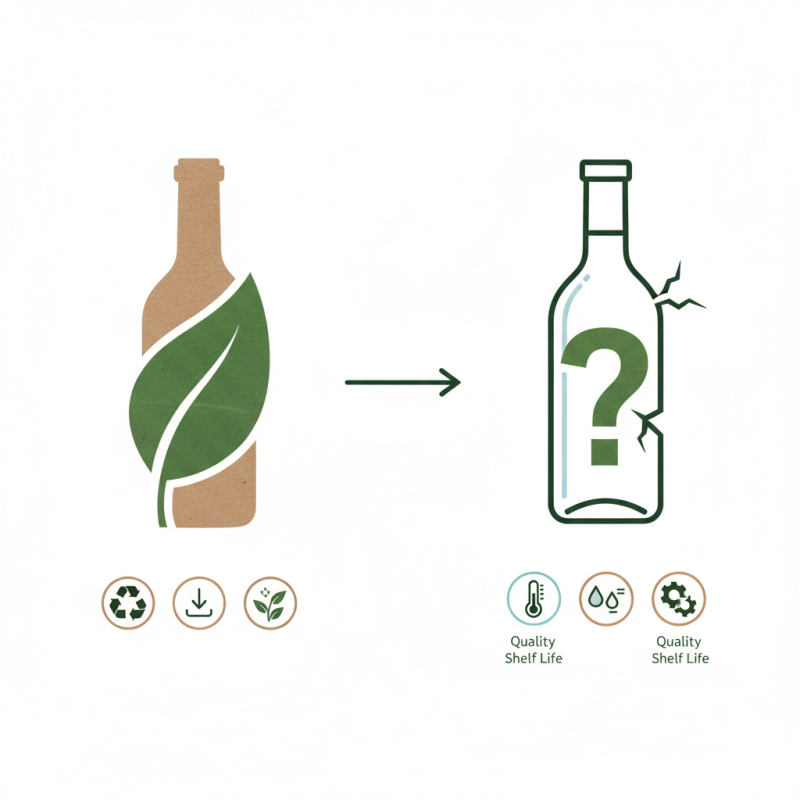
Many brands are experimenting with paper wine bottles. These options can be lighter and easier to transport. They appeal to eco-conscious consumers who prioritize sustainability. However, questions remain. Is paper wine packaging as effective as glass? How does it impact the wine's quality and shelf life? These are essential considerations for both producers and consumers.
Though promising, paper wine innovations are not without flaws. Some failures in practical application highlight the need for further research. The wine industry must address these challenges to fully embrace paper wine solutions. Overall, this shift represents a crucial step toward redefining sustainability in wine packaging. Users sought after sustainable choices must weigh the benefits and drawbacks carefully.
Emergence of Paper Wine Packaging in the Beverage Industry
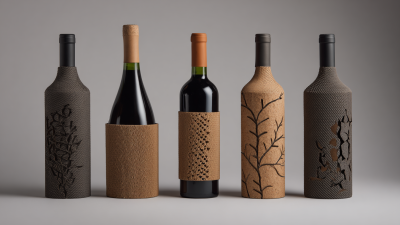
The rise of paper wine packaging is changing the beverage landscape. Traditionally, wine is stored in glass bottles, but paper options are gaining interest. These packages are lighter and easier to recycle. The design is often eye-catching, appealing to eco-conscious consumers.
Tips: Look for wine brands using paper packaging. This choice supports sustainability and helps reduce plastic waste.
While paper wine packages are innovative, there are challenges. Some consumers worry about the quality of wine in paper. Will the taste hold up? Manufacturers are working on minimizing these concerns. Testing different materials is crucial.
Tips: Consider the impact of your choices. Opt for brands that prioritize environmentally friendly packaging. It’s a small step toward a greener future.
Top Paper Wine Innovations Redefining Sustainable Packaging Solutions
This chart illustrates the increasing adoption of paper packaging solutions for wine products within the beverage industry, highlighting a significant trend towards sustainability from 2020 to 2024.
Sustainable Materials Driving Innovation in Wine Packaging
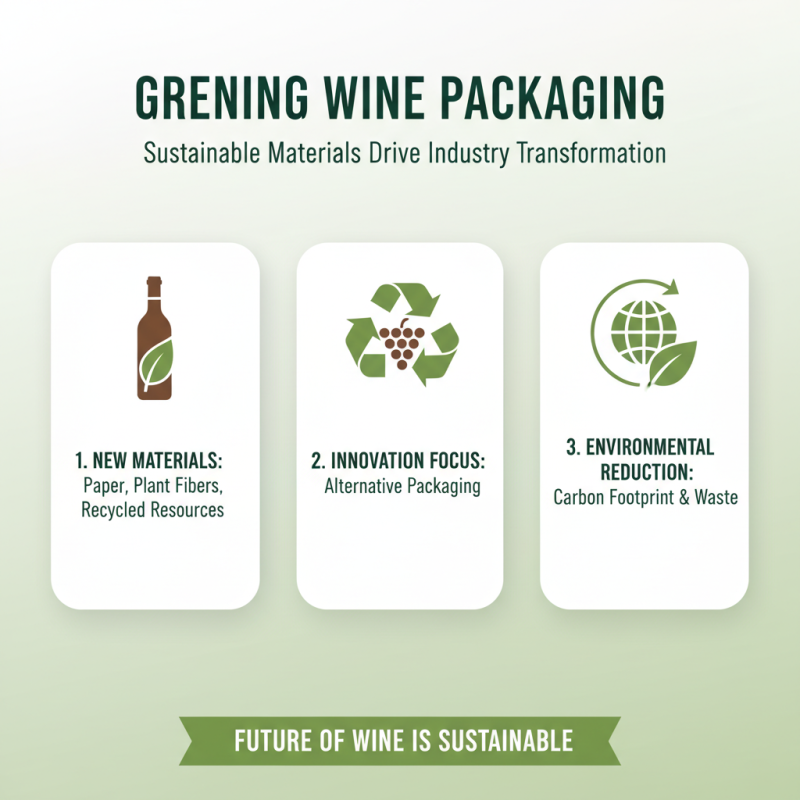
The wine industry is undergoing a transformation. Sustainable materials are at the forefront of this change. Innovators are exploring alternatives to traditional packaging. These new materials are made from paper, plant fibers, and recycled resources. They promise to reduce environmental impact significantly.
Some companies are experimenting with paper wine bottles. These bottles can be lighter and more eco-friendly than glass. However, challenges remain. For example, ensuring the wine maintains its quality is crucial. Additionally, some consumers may be hesitant to embrace these changes fully.
Recyclable and biodegradable materials are gaining traction. Designers are focusing on aesthetics and functionality. But there is still a long way to go. More research is needed to perfect these materials. Understanding consumer preferences is just as important. Sustainable packaging shouldn't compromise the wine experience. Balancing innovation with tradition remains a pressing challenge.
Comparative Analysis: Paper vs. Traditional Wine Packaging
As the wine industry shifts toward sustainability, packaging plays a crucial role. Traditional glass bottles contribute significantly to carbon emissions. They use vast amounts of energy in production and transportation. In contrast, paper wine packaging may offer a more sustainable alternative. According to a recent industry report, packaging accounts for nearly 50% of the environmental impact of wine. This data suggests a need for innovation.
The paper-based packaging developments are impressive. Lightweight and recyclable options can reduce carbon footprints. For instance, a single paper bottle emits 30% less carbon dioxide than its glass counterpart. Plus, paper resources are more renewable. However, challenges remain. Not all paper materials can protect wine effectively. Some may alter the flavor over time. This inconsistency calls for further investigation and refinement.
Consumer acceptance is another hurdle. While many buyers appreciate sustainability, some still prefer the aesthetic of glass. This preference can impede the widespread adoption of paper packaging. An insightful report noted that 65% of consumers are willing to pay more for sustainable options. But will they choose them consistently? As the industry moves forward, addressing these imperfections will be vital for success.
Impact of Paper Wine Packaging on Environmental Footprint
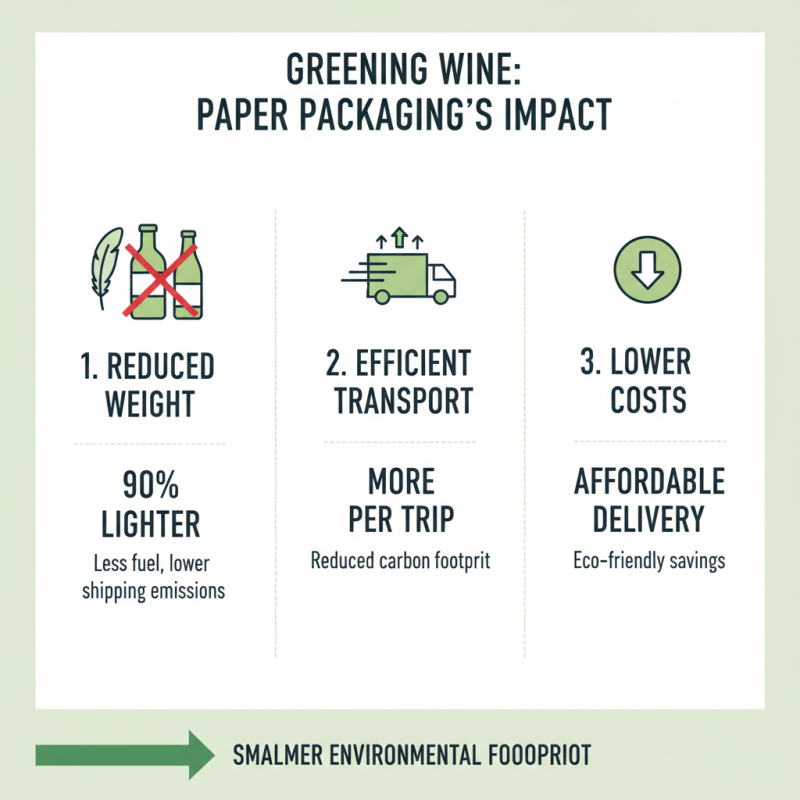
The impact of paper wine packaging on the environmental footprint is significant. Traditional glass bottles are heavy and require considerable energy to produce. In contrast, paper packaging is often lighter and can be more efficient to transport. This shift can lead to reduced carbon emissions during shipping. The lightweight nature of paper also allows for more affordable delivery options.
However, the benefits do not come without challenges. Paper products may not offer the same level of protection as glass. Wine can be sensitive to light and air, which might affect quality. Innovations have introduced barriers that aim to mitigate these risks. Still, these solutions are still developing and may not be perfect.
Consumers increasingly seek eco-friendly options, leading to a greater emphasis on sustainable practices. Yet, the long-term viability of paper packaging is still under scrutiny. Questions remain about the recyclability and sourcing of the materials. Fully understanding the life cycle of paper products is crucial. Overall, the transition to paper wine packaging raises important discussions about sustainability in the wine industry.
Consumer Perception and Acceptance of Paper Wine Innovations
Recent innovations in paper wine packaging are gaining traction. One study shows that 73% of consumers are interested in eco-friendly packaging options. They believe these solutions help reduce environmental impact. Paper-based wine containers often weigh less than glass. This can lower shipping costs and carbon emissions.
Despite the positive reception, challenges remain. Some consumers worry about quality and structure. Reports indicate that 45% of customers are skeptical about the integrity of paper wine bottles. The perception of luxury is often tied to glass bottles. Innovative designs need to address this concern. Many consumers still associate wine with tradition.
Producers must navigate these perceptions carefully. While the eco-benefits are clear, education on functionality is key. Engaging marketing strategies can reshape consumer views. With proper education, acceptance rates could rise. Reframing paper packaging as modern rather than inferior can lead to broader adoption.
Top Paper Wine Innovations Redefining Sustainable Packaging Solutions? - Consumer Perception and Acceptance of Paper Wine Innovations
| Dimension |
Data |
| Consumer Awareness of Paper Wine Packaging |
68% |
| Preference for Sustainable Packaging |
75% |
| Perceived Quality of Paper vs Glass |
60% prefer glass |
| Willingness to Pay More for Paper Packaging |
55% willing |
| Perceived Environmental Impact |
82% believe it's better |
| Recyclability Awareness |
70% |
| Availability of Paper Packaged Wine |
40% reported availability |
| Overall Acceptance Rate |
65% |