Top 5 Print Inspection Techniques You Need to Know?
Print Inspection is a crucial aspect of quality control in the printing industry. It involves examining printed materials to ensure they meet specific standards. This process helps prevent defects that could lead to costly reprints. Knowing effective print inspection techniques can significantly enhance product quality.
There are various methods available for print inspection. Each technique has its strengths and weaknesses. Some methods may miss subtle errors, while others could be too costly for small operations. Familiarity with these techniques can help businesses choose the right one for their needs.
In this article, we will explore the top five print inspection techniques. Each technique will be analyzed for its applicability and effectiveness. Understanding these methods can help improve overall printing quality and reduce waste. Implementing the right print inspection can lead to better products and increased customer satisfaction.
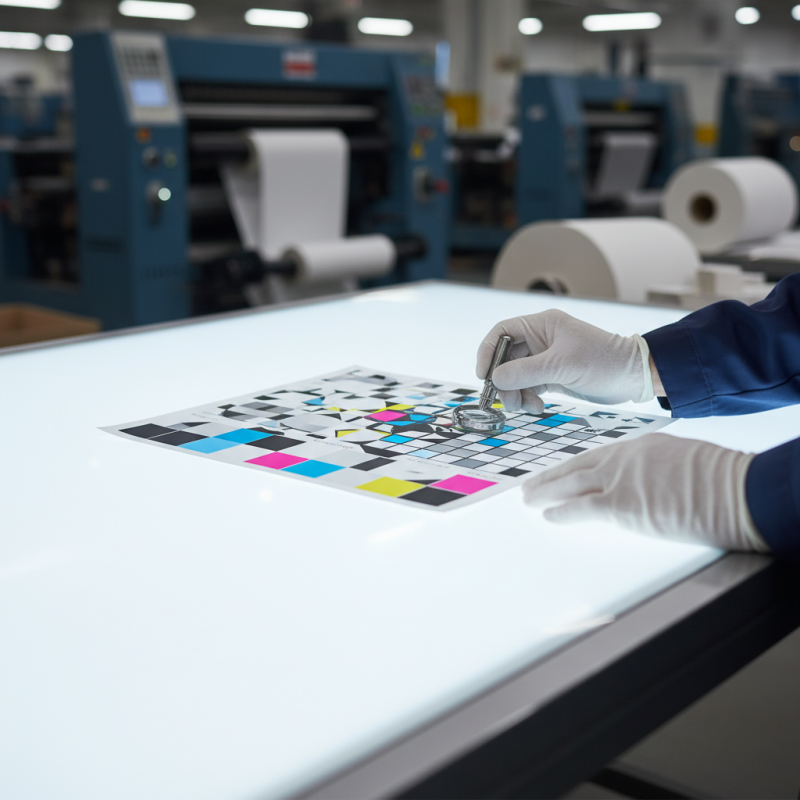
Understanding the Importance of Print Inspection Techniques
Print inspection techniques are crucial in maintaining quality in the printing industry. They help identify defects early, ensuring a smoother production process. Without effective inspection, issues like color misalignment or smudges can go unnoticed, leading to costly reprints. The impact of these mistakes is not just financial; they can also harm customer relationships.
Understanding the importance of print inspection means recognizing that quality standards must be upheld. A simple oversight can lead to unsatisfactory results. Training staff in these techniques can significantly reduce errors. Yet, many companies still struggle with inconsistent application of inspection methods.
It's a reminder to regularly evaluate and refine processes, ensuring that everyone is on the same page. Automated inspections are useful, but human judgment also plays a role. Balancing these approaches is essential to minimize risks and enhance quality.
Common Printing Defects and Their Implications
Print quality directly impacts brand reputation. Common defects can lead to significant losses. Understanding these issues is crucial for maintaining standards.
One frequent defect is ink smudging. It occurs when wet ink transfers to unintended areas. This can ruin the clarity of the print. A simple oversight in drying time can cause this issue. Customer perception changes drastically with such flaws.
Another major concern is color inconsistency. Inaccurate color printing can confuse customers. It can send the wrong message about the product.
Misalignment is also a common problem. When images or text do not line up correctly, it creates a distracting effect. It reflects poorly on the production process. Additionally, scratches on prints can happen during production. These marks can be subtle yet noticeable. They can alter the overall look of the material.
Failing to inspect for these defects can harm your project's credibility. It's vital to address these issues carefully and consistently.
Technique 1: Visual Inspection and Its Effectiveness
Visual inspection remains a cornerstone in print quality control. Inspectors carefully examine prints for defects such as smudges, misalignments, or color discrepancies. This method relies heavily on the human eye and experience. While it is effective, it can be subjective. Different inspectors may notice different issues.
One major challenge is fatigue. Long hours of inspecting can dull attention, leading to missed flaws. Distractions in the workplace also contribute to oversight. Inspectors often work in tight timelines, which adds pressure. Thus, even skilled inspectors may overlook obvious print errors.
Proper lighting is crucial for visual inspection. Bright, even lighting helps reveal subtle defects. However, glare can also hide problems. A noisy environment can make focusing difficult. Continuous improvement in training and strategies can enhance the effectiveness of this vital technique. But the limits of the human eye are undeniable. Every inspector must continually reflect on their methods and strive for better focus and accuracy.
Technique 2: Automated Optical Inspection: Pros and Cons
Automated Optical Inspection (AOI) is gaining traction in print inspection. This technique uses cameras to detect defects. It can spot misalignments, color variations, and missing elements. Many printers appreciate its speed and precision. However, it's not without limitations.
One major drawback of AOI is its dependency on predefined standards. If these standards are too rigid, it may overlook subtle defects. For instance, a slightly faded color might go unnoticed. This could lead to quality issues down the line. Additionally, AOI systems are costly to implement. Smaller businesses might hesitate due to these expenses.
Tips: Regularly review your AOI settings. Adjust them based on common defects you encounter. This can improve accuracy and reduce oversight. Also, consider combining AOI with manual checks. Human insight can catch what machines may miss. Balancing both methods can enhance overall inspection quality.
Technique 3: Color Measurement and Matching Techniques
Color measurement and matching techniques play a pivotal role in print inspection. Accurate color reproduction is essential for brand consistency. A recent industry report highlighted that 70% of consumers judge products by color alone. This underscores the need for precise color matching methods.
To achieve accurate color measurement, several tools and software options are available. These include spectrophotometers and colorimeters. These devices help identify color discrepancies. However, even the best tools can struggle in variable lighting conditions. Additionally, human error in color perception can lead to inconsistencies. It is crucial to train staff on color evaluation techniques.
Further complicating matters is the fact that colors can appear differently on various substrates. A study found that 65% of color mismatches occur due to substrate interactions. Trainers should educate teams about these challenges. Regularly updating color standards can also mitigate issues. In an ever-competitive market, attention to color detail can set a brand apart from others.
Conclusion
Print inspection is a critical aspect of the printing industry, ensuring quality and consistency in printed materials. This article explores the importance of various print inspection techniques, highlighting common printing defects and their potential implications for businesses. It delves into five key techniques that are essential for effective print inspection.
Firstly, visual inspection remains a widely used method due to its simplicity and ability to detect obvious defects. Automated optical inspection (AOI) is another technique that offers advantages such as increased speed and accuracy, though it may have limitations in complex situations. Additionally, color measurement and matching techniques play a vital role in maintaining color fidelity, while inline inspection systems provide continuous monitoring during the printing process. Together, these print inspection techniques form a comprehensive approach to ensure high-quality outcomes in printing operations.