2026 Top Spirits and Wines for Global Buyers to Consider?
As we approach 2026, the global spirits and wines market continues to evolve dramatically. According to the IWSR, the spirits segment is expected to grow by 3% annually, driven by consumer interest in premium and craft options. Wines are also showing a robust trend, with a projected value of over $400 billion in the same period. This growth reflects changing consumer preferences and an increasing appetite for quality over quantity.
However, navigating this dynamic market presents challenges. Buyers must discern between emerging trends and fleeting fads. Not every premium spirit or wine will resonate with diverse consumer bases worldwide. Industry reports highlight the importance of understanding local tastes and preferences. This approach will better inform purchasing decisions. It is essential for buyers to rely on reliable data when considering top spirits and wines.
In this ever-competitive landscape, understanding the nuances of spirits and wines becomes crucial. There are opportunities for growth, but also risks if buyers fail to adapt. As we reflect on what lies ahead, careful consideration of market insights and evolving trends will guide smarter investment choices.

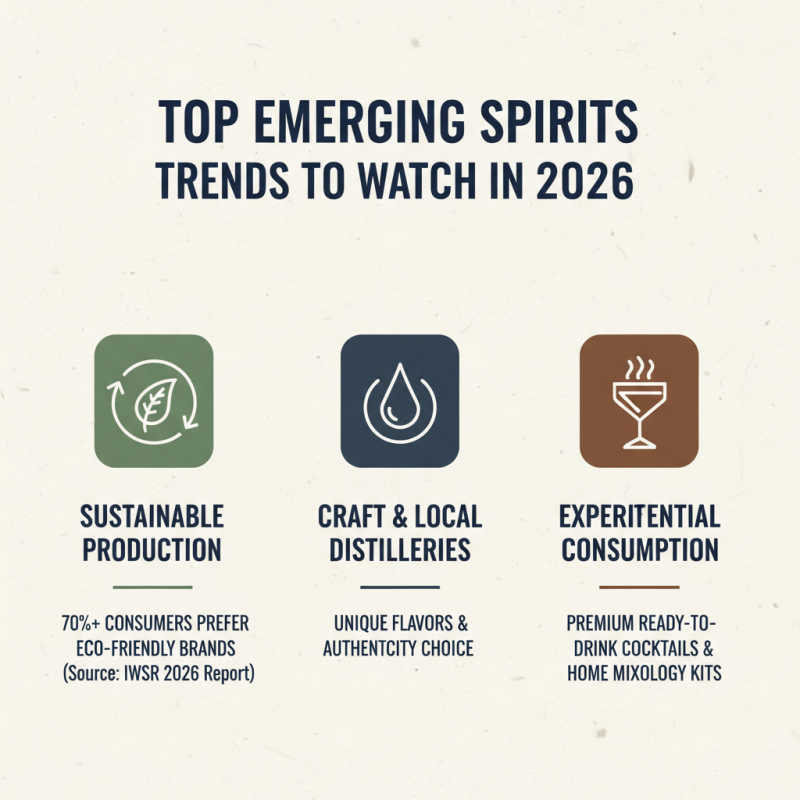
Top Emerging Spirits Trends to Watch in 2026
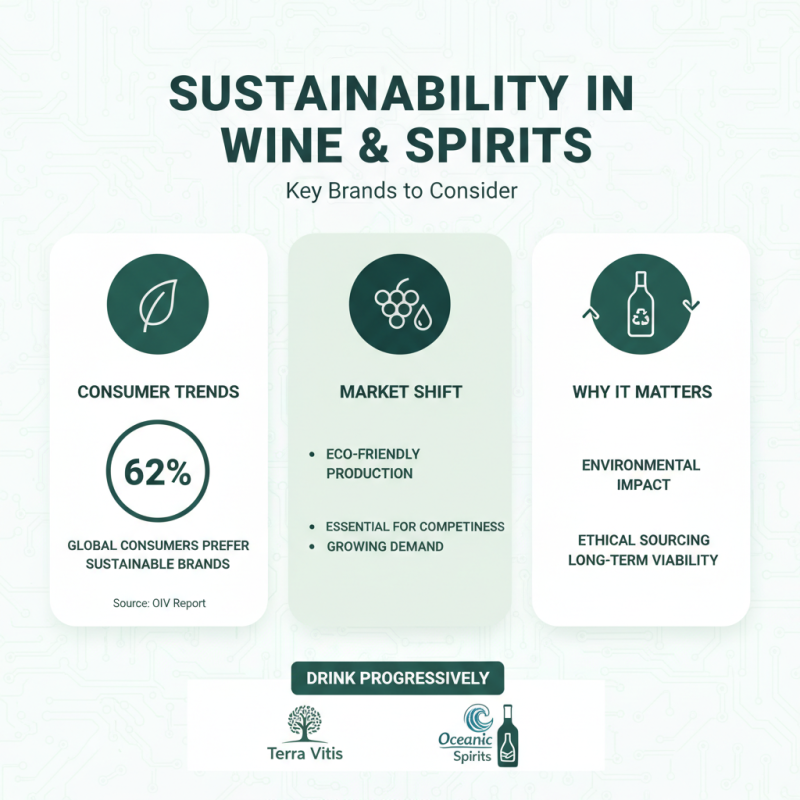
As the spirits and wine market evolves, several emerging trends are shaping consumer preferences. In 2026, sustainable production methods are becoming a focal point. According to a report by the International Wine & Spirits Research, over 70% of consumers prefer brands committed to environmental sustainability. Producers are paying attention. Many are adopting organic farming and reducing carbon footprints in their production processes.
Another trend is the rising interest in low-alcohol and no-alcohol beverages. Data from a recent market analysis indicates that the non-alcoholic spirits segment has expanded by over 30% in the past two years. This shift reflects changing lifestyles and health-conscious choices among consumers. Brands are exploring innovative flavors and ingredients to appeal to this demographic.
Additionally, technological advancements in distillation and fermentation are transforming how spirits are made. Techniques like molecular gastronomy are being used to create unique flavors. However, some industry experts caution about over-reliance on technology, suggesting it can sometimes overshadow traditional craftsmanship. Balancing innovation with heritage is crucial for producers aiming for authenticity in their offerings.
Notable Wine Regions to Explore for Global Buyers
In 2026, global buyers should explore several prominent wine regions rich in history and flavor. The American wine market has seen significant growth, with the U.S. producing approximately 24% of the world's wine. This statistic highlights the importance of regions like Napa Valley and Sonoma County. These areas offer a diverse range of varietals and styles, catering to various tastes and preferences.
Europe remains a powerhouse in global winemaking. France continues to lead, with regions like Bordeaux and Burgundy attracting attention worldwide. According to industry reports, Bordeaux boasts over 60 different appellations, showcasing a remarkable variety of terroirs. Additionally, Spain's Rioja is becoming increasingly popular, known for its robust reds and innovative producers. A recent study indicated that Spanish wine exports increased by nearly 10% in the last year alone.
Emerging regions also deserve consideration. Countries like South Africa and Chile are gaining recognition for quality wines. South Africa's Stellenbosch region is noted for its excellent Cabernet Sauvignon. Meanwhile, Chile continues to impress with its value-driven offerings, with exports reaching a record high of 1.2 billion liters last year. Assessing these regions can present challenges, as quality can vary. Buyers need to navigate through offerings to find gems amidst the vast selections available.
2026 Top Spirits and Wines for Global Buyers to Consider
This chart displays the projected sales volume of various wines and spirits from notable wine regions for 2026. It represents global market trends and consumer preferences.
Innovative Craft Distilleries Making Waves in 2026
The world of spirits is evolving rapidly. Innovative craft distilleries are at the forefront of this change in 2026. These smaller producers are reshaping the landscape with unique flavors and sustainable practices. They emphasize local ingredients and traditional methods. This creates not only distinctive products but also contributes to local economies.
Many craft distilleries experiment with unexpected ingredients. Some use herbs and spices, while others incorporate fruits like pears or peaches. This adventurous spirit attracts adventurous buyers.
However, the craft industry is not without challenges. The balance between innovation and maintaining quality can be difficult. Some distillers might overreach, losing the essence of their craft.
Transparency is vital in today’s market. Consumers desire to know where their products come from. Craft distillers often take the lead in providing this information. They share stories behind each bottle, fostering a deeper connection. Yet, as they grow, they must stay true to their roots. Maintaining authenticity while scaling up is a delicate dance. Many distilleries are learning to navigate this terrain. Their journeys highlight both the opportunities and pitfalls of the craft movement in spirits.
Expert Recommendations for Collectible Bottles and Investments
As the global market for spirits and wines evolves, collectors gear up for 2026 with keen interest. When considering collectible bottles, focus on limited editions and unique craftsmanship. A bottle with a storied history or a distinct production method often appreciates well. Additionally, engage with wine and spirit experts to gain insight into trends. They can provide valuable recommendations on bottles worth investing in.
Tips: Explore auction houses. They often reveal the hottest items. Attend tasting events. Direct experience can highlight exceptional finds. Build relationships with industry professionals; insights from experts are invaluable.
Look for bottles with potential. Craft distilleries and artisan producers are emerging strong contenders. Their products may elevate your collection significantly. However, assess the market carefully. Not every bottle will yield returns. Shifting trends can leave certain investments stagnant. Remain adaptable in your approach, and always seek knowledge from trusted sources.
2026 Top Spirits and Wines for Global Buyers to Consider
| Type |
Region |
Vintage |
Estimated Value ($) |
Notes |
| Whiskey |
Scotland |
2000 |
1500 |
Highly rated, limited release. |
| Red Wine |
Bordeaux |
2018 |
1200 |
Exceptional vintage, top ratings. |
| Gin |
England |
2015 |
300 |
Crafted with rare botanicals. |
| Vodka |
Russia |
2020 |
200 |
Ultra-premium, smooth finish. |
| Riesling |
Germany |
2017 |
400 |
Best value wine, high sweetness. |