
The wine packaging industry is evolving rapidly. Among the notable trends, paper wine packaging is making significant strides. This approach combines sustainability with consumer appeal. Brands are increasingly opting for eco-friendly options, responding to environmental concerns.
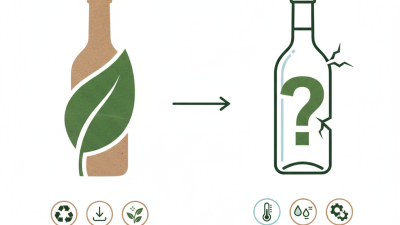
Paper wine packaging offers a fresh alternative to traditional materials. It's lightweight, easy to transport, and often more visually striking. Many consumers are drawn to its unique designs and earthy feel. However, some question whether it can truly protect the wine's integrity. This introduces a layer of uncertainty.
As we look toward 2026, it's clear that paper wine packaging is here to stay. But can it consistently deliver on quality? The ongoing challenge for manufacturers will be to balance aesthetics with functionality. This evolution in packaging reflects broader trends in consumer preferences and environmental responsibility.

As we approach 2026, the landscape of wine packaging is changing. Paper wine packaging is gaining traction, driven by a push for sustainability. Emerging materials are leading this charge. New fibers and blends are being explored. These innovations aim to enhance durability while remaining eco-friendly.
One notable trend is the use of banana fiber. This material is both lightweight and strong. It could reduce plastic use in wine packaging. Bamboo is another contender, offering rapid growth and renewability. However, consistency in quality can be an issue. Not all bamboo sources are reliable. This presents a challenge for larger-scale production.
Recycled paper is also evolving. Its ability to minimize waste is appealing. However, it may lack the aesthetic appeal desired by some producers. Finding the right balance between eco-friendliness and visual impact is essential. The evolution of materials in paper wine packaging is promising yet complex. Creative solutions are necessary to address these challenges.
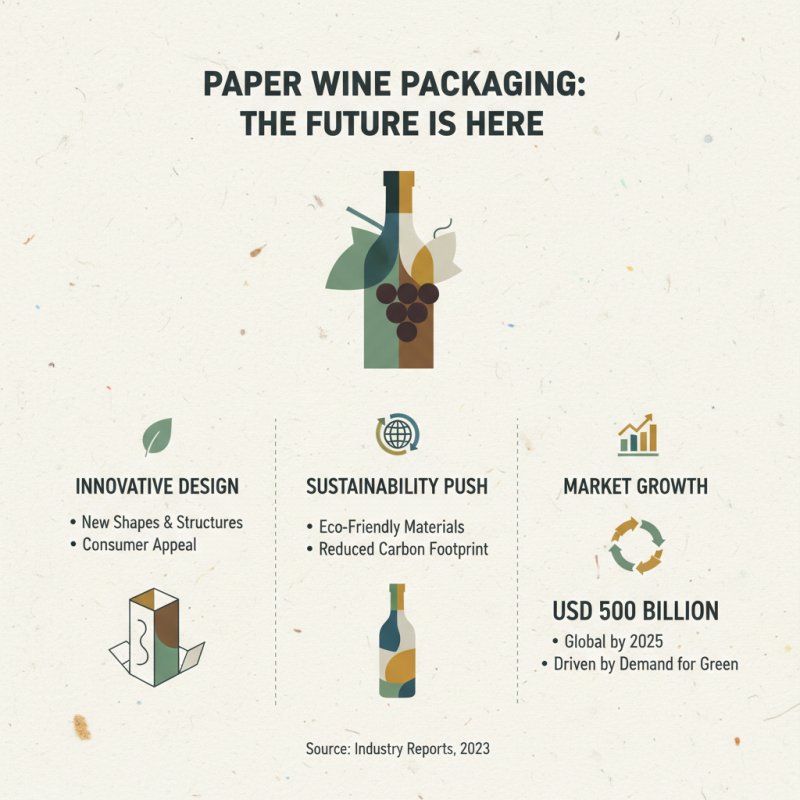
The paper wine packaging industry is experiencing exciting developments. Innovative designs are at the forefront of this transformation. With sustainability becoming a priority, brands are exploring eco-friendly materials. Statistics show the global paper packaging market is projected to reach $500 billion by 2025. This growth is driven by the increasing demand for sustainable products.
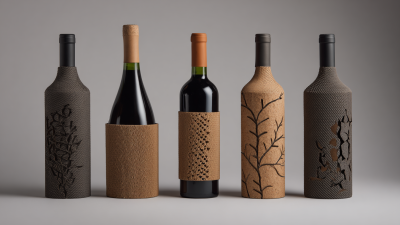
One trend is the use of artistic designs that enhance visual appeal. Unique patterns and textures attract consumers’ attention. A report indicates that 70% of customers consider packaging design when making a purchase. Creative designs not only stand out but also reflect brand values. Many companies are experimenting with embossed surfaces and vibrant colors.
However, challenges remain. Some designs may sacrifice functionality for aesthetics. Weak structures can lead to damaged products during transport. Consumer feedback highlights the need for durability alongside appealing designs. Balancing innovation with practicality is crucial for success in the paper wine packaging market. The future is bright, but reflection and adaptation are necessary for true progress.
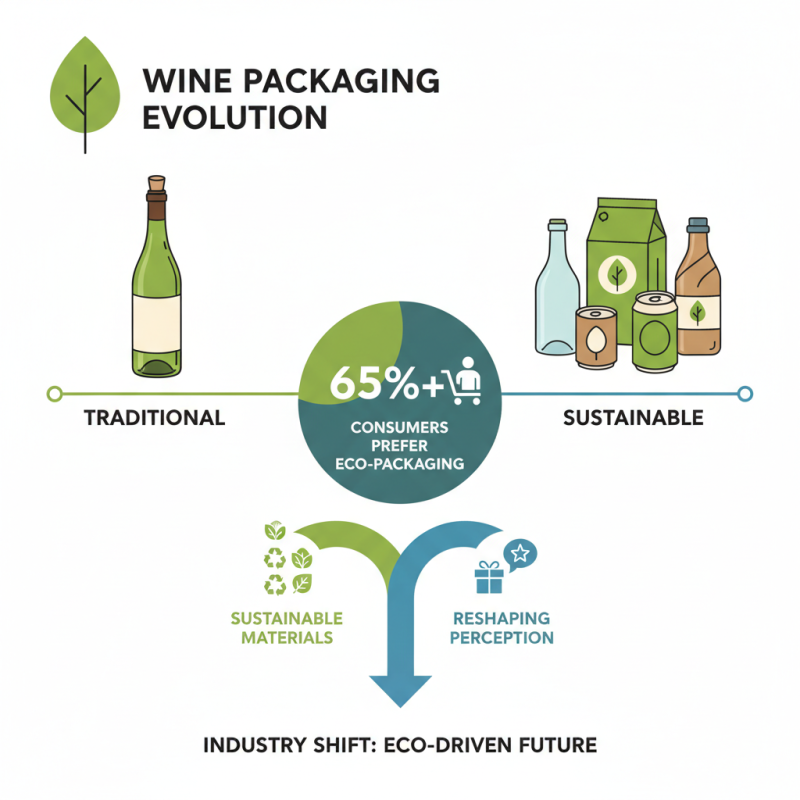
The paper wine packaging industry is evolving rapidly. Sustainability practices are at the forefront of this change. According to a recent industry report, over 65% of consumers now prefer eco-friendly packaging options. The shift towards sustainable materials is reshaping how wine is presented and perceived.
Many companies are exploring alternative fibers for paper wine packaging. This includes materials like recycled paper and bamboo. These options reduce carbon footprints significantly. A study found that using recycled materials can cut energy consumption by up to 70%. The challenge lies in maintaining quality while upholding sustainability. Some manufacturers struggle with the durability of paper packaging compared to traditional methods.
Additionally, there is an ongoing conversation about the lifecycle of packaging materials. Are they truly biodegradable? A report noted that only 30% of paper products are recycled effectively. This indicates a need for better waste management systems. It also highlights the importance of educating consumers on proper disposal methods. The industry must reflect on these issues to enhance the effectiveness of sustainable practices.
The rise in consumer preferences is reshaping paper wine packaging. Many consumers now prioritize sustainability. They seek options that reduce environmental impact. This shift is steering brands towards paper-based solutions. Lightweight, recyclable, and less energy-intensive than glass, paper packaging appeals to eco-conscious buyers.
Textures and designs play crucial roles in attracting consumers. Innovative graphics and tactile elements can enhance the unboxing experience. However, not all paper packaging performs well. Some consumers are dissatisfied with durability. Packaging that tears or fails to protect the product can lead to frustration. Companies must balance aesthetics and function.
Feedback is vital in this evolving market. Many brands are experimenting with different styles and materials. Yet, the challenge lies in meeting diverse consumer tastes. Preferences vary widely among demographics. The journey towards perfecting paper wine packaging continues. It’s a delicate dance between creativity and functionality.
The world of paper wine packaging is evolving rapidly. Technological advancements are shaping these solutions in exciting ways. New materials are emerging. They are lighter yet strong. This allows for practical designs that are also eye-catching. Advanced printing techniques create vivid colors and intricate patterns. Customers are drawn to these unique packages.
Another trend is the use of eco-friendly materials. Sustainability is becoming essential in packaging choices. Brands are exploring biodegradable options that reduce environmental impact. These innovations have sparked interest. However, some challenges remain. The balance between durability and eco-friendliness requires careful consideration. Not every new material performs as expected.
Additionally, there are innovative sealing technologies. These provide better protection for wine. Improved preservation methods ensure the quality is maintained. Yet, implementation can be costly. Smaller producers may struggle to keep up. As the industry progresses, it is crucial to evaluate these advancements critically. Are we enhancing the experience, or just chasing trends? The ongoing transformation in paper wine packaging raises important questions for the future.