
Frugalpac terms and conditions for the purchase of goods

Top 10 Types of Wine Bottle Paper for Global Buyers

Choosing the right wine bottle paper involves more than selecting a beautiful surface. Buyers must examine strength, fiber content, moisture resistance, print quality, and end-of-life options. A label may look elegant under showroom lights, yet wrinkle inside a cold storage room. That detail matters.

Dr. Susan Selke, a recognized packaging sustainability expert, describes packaging as “the interface between the product and the consumer.” Her observation fits wine packaging closely. Wine bottle paper communicates quality before the bottle is opened. It also protects branding during transport, shelving, refrigeration, and handling. This guide introduces ten paper types used by global buyers. It compares textured papers, coated grades, recycled stocks, waterproof options, and specialty finishes. Each type offers practical advantages, but none performs perfectly in every market.

Paper choice should reflect the bottle’s journey. A heavy glass bottle needs a label with dependable adhesion. Humid routes demand stronger moisture resistance. Premium wines may need tactile fibers, embossing, or restrained metallic details. Recycled paper can support a responsible image, but its surface may show natural flecks and color variation. That is not always a defect. It can become part of the product story.

Specifications still require verification. Supplier claims may not explain testing conditions, recycling compatibility, or adhesive performance. Buyers should request samples and test them in realistic environments. I may favor sustainability too quickly when appearance and durability also matter. The better decision balances design, performance, cost, and credible environmental evidence.
Top 10 Types of Wine Bottle Paper for Global Buyers

What Wine Bottle Paper Is and Why Global Buyers Need It

Wine bottle paper is the paper stock used for labels, neck bands, seals, and protective outer wraps. It must present product information clearly while surviving handling, moisture, and temperature changes. A bottle may sit in a chilled display, collect condensation, and travel through several warehouses. Ordinary office paper usually fails in these conditions.

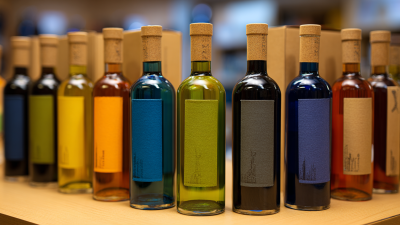
Global buyers commonly compare ten types: coated, uncoated, textured, embossed, kraft, recycled, cotton-fiber, metallic-finish, waterproof-coated, and adhesive label paper. Each creates a different shelf impression. Textured paper can suggest craftsmanship, while recycled stock supports a natural visual message. Waterproof-coated paper offers better resistance near ice buckets and refrigerated storage. However, stronger moisture resistance may affect recycling choices and printing performance.

Paper selection should begin with the bottle surface, adhesive, printing method, and destination climate. Buyers should request samples and test scuffing, peeling, color stability, and adhesion after refrigeration. Check fiber content, basis weight, and supplier quality records. Paper from one production batch can still vary slightly in shade. That detail is easy to overlook. A label that looks excellent in a dry office may wrinkle in humid transit. I would also question vague claims such as “eco-friendly” without supporting documentation. Reliable purchasing needs measurable specifications, realistic testing, and room for small imperfections.

The Ten Main Types of Paper Used for Wine Bottle Packaging

Top 10 Types of Wine Bottle Paper for Global Buyers

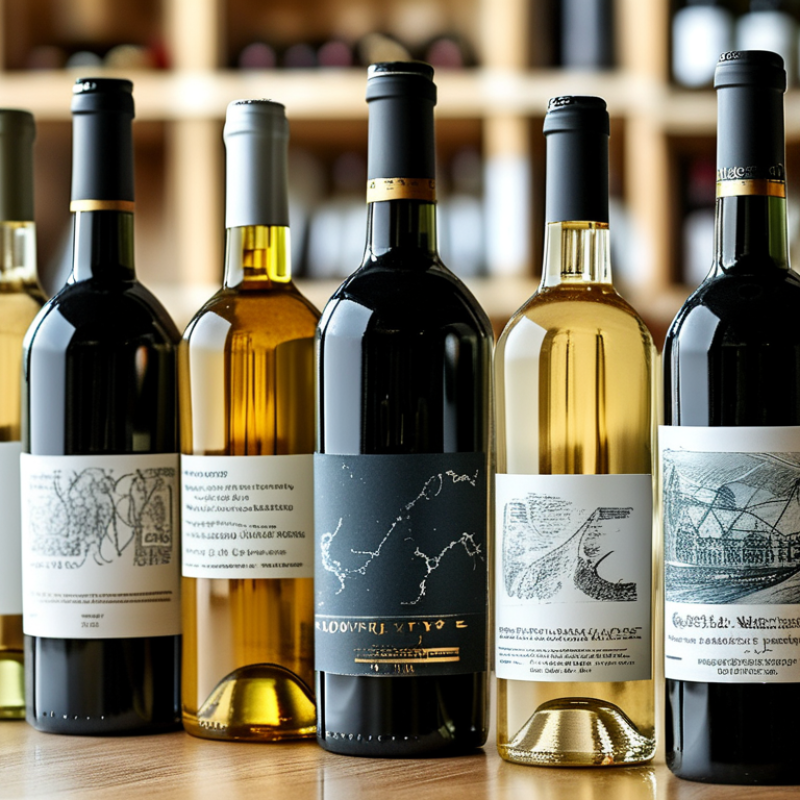
The ten main paper types serve different packaging goals. Coated art paper gives sharp colors and smooth detail. Uncoated paper feels warmer and more natural. Kraft paper adds a rustic, fibrous appearance. Recycled paper supports circular packaging claims. Cotton paper offers a soft, premium touch. Laid paper shows fine ribbed lines. Felt paper creates visible texture under light. Embossed paper adds depth without extra ink. Glassine paper resists grease and moisture. Synthetic paper improves durability in chilled conditions.

The International Organisation of Vine and Wine reported 237 million hectolitres of global wine production in 2023. That scale makes material efficiency important. CEPI reported a 79.3% paper recycling rate in Europe in 2022. However, recyclability depends on coatings, foil, adhesives, and local systems. A paper label may look sustainable but perform poorly after heavy lamination. I have seen attractive samples crack around bottle curves. This is easy to overlook. Paper weight, humidity, wet rub resistance, and application speed need testing before approval.

Tips: Request samples on the actual bottle shape. Test chilled storage, condensation, and transport friction. Ask suppliers for fiber content and recycling guidance. Do not choose embossed or laminated finishes by appearance alone; they can complicate recycling and raise costs.

How Wine Bottle Papers Differ in Fiber, Finish, and Performance

Top 10 Types of Wine Bottle Paper for Global Buyers

Wine bottle papers differ most in fiber, finish, and performance. Global buyers should compare all three before approving samples. Uncoated kraft paper offers visible fibers, warm color, and a natural shelf presence. Coated art paper provides sharper printing and smoother color reproduction. Felt-marked paper adds soft texture through patterned surface fibers. Linen-embossed paper creates a fabric-like touch, but deep embossing may reduce small text clarity. Cotton-rich paper feels premium and flexible. However, its cost can rise quickly.

Recycled paper brings visible specks and a stronger environmental story. Its shade may vary between production batches. Wet-strength paper performs better around chilled bottles and condensation. Metallic paper reflects light strongly, creating shelf impact with less ink. Pearlescent paper gives a subtle glow, while translucent paper supports layered visual effects. These are ten practical categories, but real products often combine several features.

In procurement trials, I check dry rub resistance, wet rub resistance, bending, and adhesive stability. A label that looks excellent indoors may wrinkle inside a cold storage room. Finish changes performance too. Varnish protects printed areas, while uncoated surfaces often feel more authentic. Embossing can improve touch, yet it may complicate high-speed application. No paper wins every test. I have seen attractive samples fail after repeated chilling. Buyers should test filled bottles, not flat sheets, under realistic humidity and handling conditions. Supplier data matters, but physical trials remain more convincing.

Top 10 Types of Wine Bottle Paper for Global Buyers - How Wine Bottle Papers Differ in Fiber, Finish, and Performance

Paper Type Typical Fiber Structure Typical Basis Weight Common Surface Finish Moisture Performance Printing and Converting Performance Typical Wine Label Applications
Coated White Label Paper Primarily bleached chemical wood pulp, usually with a mineral-coated top layer. 80–110 g/m² Gloss, silk, or smooth matt coating; bright white appearance. Moderate; requires suitable varnish, laminate, or wet-strength treatment for ice-bucket use. Excellent color reproduction, fine text clarity, fast offset, flexographic, and digital printing. High-volume commercial labels, colorful front labels, promotional editions, and back labels.
Uncoated Natural White Paper Unbleached or lightly bleached chemical pulp with an open, absorbent fiber network. 80–120 g/m² Matt, porous, and tactile with a natural paper grain. Low to moderate unless internally sized or protected with a moisture-resistant coating. Good for solid colors and typography; absorbency can soften small details and reduce color intensity. Traditional, rustic, organic, and minimalist wine labels.
Laid Paper Mostly chemical wood pulp formed with a visible linear laid-pattern texture. 90–130 g/m² Distinctive ribbed or linear surface, generally matt. Moderate; surface texture can retain moisture, so edge sealing is often beneficial. Suitable for offset and letterpress-style effects; fine reversed text requires careful testing. Heritage, reserve, estate, and premium-positioned labels.
Felt-Marked Textured Paper Bleached or natural chemical pulp embossed or finished with an irregular felt-like texture. 90–140 g/m² Soft, irregular, fabric-like matt texture with a premium tactile feel. Moderate; a protective coating improves resistance to condensation and scuffing. Good ink holdout and visual depth; heavy texture may affect barcode contrast and small lettering. Premium still wines, limited releases, and tactile luxury packaging.
Cotton-Content Paper Cellulose pulp blended with approximately 5–100% cotton fiber, depending on the grade. 90–150 g/m² Soft, cushiony, often softly textured and highly opaque. Moderate; cotton increases tactile softness but does not by itself make the label waterproof. Excellent for embossing, debossing, and foil effects; absorbency should be matched to the ink system. Luxury, artisanal, celebratory, and high-value gift wine labels.
Recycled Content Paper Post-consumer and post-industrial recycled fibers, often blended with virgin pulp for strength. 80–140 g/m² Natural matt, speckled, or lightly coated; shade can range from white to warm gray. Low to moderate unless treated; recycled fibers can increase porosity and moisture sensitivity. Good overall printability; shade variation and visible inclusions may influence color consistency. Environmentally positioned wines, natural wines, and brands seeking visible recycled character.
Kraft Paper Strong unbleached sulfate pulp with relatively long, robust cellulose fibers. 90–150 g/m² Brown or natural matt surface with visible fiber character. Moderate in dry conditions; requires sizing or coating for prolonged condensation exposure. Strong and durable; dark substrate can alter ink colors, so opaque white ink may be needed. Organic, farm-style, craft, natural, and environmentally themed labels.
Metallic-Finished Paper Paper base laminated or coated with aluminum pigment, metallized film, or metallic-effect coating. 80–120 g/m² Silver, gold, or colored metallic sheen; available in gloss or satin finishes. Moderate to high when protected with an appropriate topcoat; edges remain vulnerable without sealing. Creates reflective effects; transparent inks reveal the metallic base, while opaque inks reduce shine. Festive, sparkling, premium, gift, and limited-edition wine packaging.
Pearlescent Paper Cellulose paper coated or internally treated with light-reflective pearlescent mineral pigments. 90–130 g/m² Soft satin, shimmering, or opalescent surface with directional light effects. Moderate; surface coating helps, but a dedicated protective layer may be required for wet chilling. Good for elegant graphics and metallic-style effects; color appearance changes with viewing angle. Rosé, sparkling, white, celebration, and fashion-oriented wine labels.
Wet-Strength Waterproof Paper Chemical wood pulp reinforced with wet-strength resins and often combined with a moisture-resistant coating. 80–120 g/m² Smooth matt, silk, or coated finish; designed to preserve label integrity when wet. High for paper-based stock; resists condensation, ice buckets, and short-term immersion when properly converted. Reliable die-cutting and printing; adhesive selection and edge protection remain important. Refrigerated wines, restaurant service, sparkling wines, and bottles exposed to ice or condensation.

Typical ranges are industry reference values. Actual performance depends on paper construction, coating, adhesive, ink system, bottle curvature, storage conditions, and converting process.

Choosing the Right Wine Bottle Paper for Climate and Transport

Top 10 Types of Wine Bottle Paper for Global Buyers

Choosing wine bottle paper requires more than checking appearance. Climate and transport can change its performance quickly. Humid ports may soften ordinary paper, while dry climates can increase brittleness. Wet-strength kraft paper suits long sea shipments and damp warehouses. Coated paper offers cleaner printing and better splash resistance. Recycled paper can support sustainability goals, but its fibers may vary between batches.

Consider textured paper for premium presentation, corrugated paper for impact protection, and grease-resistant paper for mixed packaging environments. Lightweight paper reduces shipping weight, yet it may tear around bottle corners. Heavier paper is not always safer. In practical packaging evaluations, seam strength, fold quality, and abrasion resistance deserve equal attention. Cold containers create condensation. That detail is easy to miss.

Tips: Test samples in realistic conditions. Place wrapped bottles in warm, humid rooms, then move them into cold storage. Check peeling, staining, odor transfer, and edge damage after handling. Ask suppliers for moisture, tensile, and burst-strength data. Keep a small shipment sample for comparison. No paper performs perfectly. A paper that works in a dry warehouse may fail during monsoon transit, so transport routes should guide the final choice.

Global Buying Standards for Quality, Sustainability, and Compliance

Top 10 Types of Wine Bottle Paper for Global Buyers

Global Buying Standards for Quality, Sustainability, and Compliance

Wine bottle paper must perform in cellars, shipping containers, and chilled displays. Common options include coated paper, uncoated paper, textured stock, kraft paper, recycled paper, cotton paper, waterproof paper, metallic paper, embossed paper, and adhesive-backed label stock. Each type creates a different shelf impression. More importantly, each must resist moisture, abrasion, and temperature changes. I have seen attractive labels fail after condensation weakened the adhesive. Appearance alone is not enough.

Global buyers should request fiber-origin records, recycled-content details, ink specifications, and adhesive data. Suppliers should provide test results for wet rub, bottle adhesion, and storage stability. Sustainable claims need evidence, not vague green language. Certification may support purchasing decisions, but requirements differ by market. Check packaging-waste rules, labeling obligations, and recycling compatibility in the destination country. Paper, ink, and adhesive should be assessed together. A recyclable face paper can still create problems if the backing or adhesive is unsuitable.

Tips: Order samples before bulk production. Test them on cold, wet bottles. Ask for batch consistency records. Confirm whether the paper supports your printer and finishing process. Keep compliance documents with the purchase file. One weakness may remain: laboratory tests cannot perfectly copy every warehouse or shipping route. Recheck performance when climates, bottle shapes, or adhesive suppliers change. Small trials prevent expensive surprises.

Close