Why Does Wine Have a Carbon Footprint and How to Reduce It?
The wine industry plays a significant role in global emissions. A report by the Carbon Trust states that wine production can generate approximately 1.5 kg of CO2 emissions per liter. This amount highlights the substantial wine carbon footprint associated with winemaking processes. Factors contributing to this footprint include grape cultivation, fermentation, transportation, and bottling.
As consumers become more environmentally aware, wineries are urged to adopt sustainable practices. Implementing organic farming methods and utilizing renewable energy sources can significantly reduce emissions. Research by the Wine Institute indicates that nearly 70% of carbon emissions in wine production arise from vineyard operations. This emphasizes the need for more eco-friendly agricultural practices.
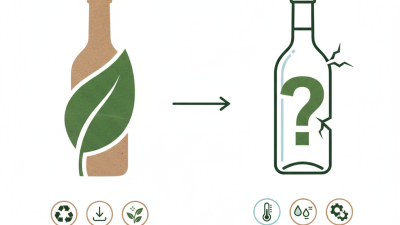
Even small adjustments can lead to meaningful changes. For example, using lighter bottles can cut down on transportation emissions. It’s crucial for the industry to reflect on its impact. While many wineries are making strides in sustainability, the journey toward minimizing the wine carbon footprint is ongoing and complex. Prospective improvements require collaboration and commitment to greener initiatives.

Why Does Wine Production Contribute to Carbon Emissions?
Wine production significantly contributes to carbon emissions. This impact is due to various factors involved in the winemaking process. First, the cultivation of vineyards often involves heavy machinery. Tractors and other equipment emit greenhouse gases. Additionally, using fertilizers and pesticides can disrupt local ecosystems. This chemical use releases nitrous oxide, a potent greenhouse gas.
Transportation plays a crucial role as well. Wines are often shipped across the globe, resulting in high carbon footprints. The farther the wine travels, the greater the impact. Bottling and packaging also contribute. Heavy glass bottles require energy to produce and transport. It's easy to overlook these details when enjoying a glass.
Consumers can help mitigate this impact. Supporting local wineries reduces transportation emissions. Choosing organic wines can lower the carbon footprint from farming practices. As we enjoy wine, it's essential to think about its journey. Doing so fosters a more sustainable approach to our favorite beverages.
Carbon Footprint of Wine Production
This chart illustrates the carbon footprint contribution from various stages of the wine production process, highlighting the significant sources of emissions and the potential to reduce them.
Key Phases of Wine Production and Their Environmental Impact
The environmental impact of wine production is significant. From vineyard management to bottling, each phase contributes to its carbon footprint. In the vineyard, growing grapes often involves heavy machinery. This machinery emits greenhouse gases. Additionally, pesticides and fertilizers used in vineyards can harm local ecosystems.
During vinification, energy use spikes due to fermentation and temperature control. Traditional approaches may require a lot of energy, leading to more emissions. Water usage is another concern. Many wineries use vast amounts for irrigation, which can deplete local water sources. Sustainable practices, such as dry farming, could help here.
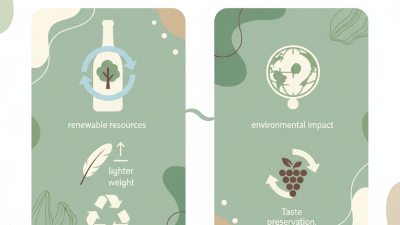
Transportation is another critical phase. Moving wine from wineries to retailers adds to carbon emissions. Long distances and inefficient logistics amplify this issue. Reducing packaging weight can also lessen the carbon footprint. In all these areas, winemakers have room for improvement. Embracing eco-friendly practices can lead to a more sustainable wine industry. This evolution is necessary for future generations.
Quantifying Carbon Footprint: Data on Global Wine Production
Wine production is a significant contributor to greenhouse gas emissions. According to a report by the Carbon Trust, wine production can emit between 1.5 to 3 kg of CO2 per bottle. This range varies based on factors like agricultural practices and transportation. The carbon footprint from viticulture alone can account for up to 70% of total emissions for a bottle of wine, significantly impacting global warming.
Another study highlights that the transport of wine contributes around 10% to the overall carbon footprint. Shipping bottles across continents raises emissions due to fossil fuel usage. It’s essential to consider local sourcing to mitigate this part of the carbon impact. Moreover, packaging materials, especially glass, can add an additional 20–30% to a bottle's carbon footprint. Using lighter bottles or alternative materials could greatly reduce this footprint.
While some wineries are adopting greener practices, the impact remains high in many regions. Integrating sustainable farming methods can help cut emissions, yet the adoption rate is uneven. Efforts to standardize measurements for carbon footprints in wine production are ongoing, but awareness of these statistics often lags behind. Evaluating energy consumption during fermentation and aging processes also reveals potential areas for improvement. Addressing the complex challenges in this industry is crucial for a more sustainable future.
Strategies for Reducing Carbon Footprint in the Wine Industry
The wine industry has a notable carbon footprint, attributed to various factors. Cultivating grapes often requires substantial water and energy. Transportation adds to emissions, as wine travels long distances. Even the packaging, such as glass bottles, contributes to greenhouse gases. All these elements warrant a closer examination to mitigate impact.
Implementing sustainable farming practices is essential. Vineyards can use organic farming to reduce reliance on chemical fertilizers. These methods not only enhance soil health but also require less energy. Utilizing renewable energy sources, like solar power, can aid in lowering carbon emissions during production. Some vineyards are experimenting with lighter bottles. This choice reduces the carbon footprint generated during transport.
Consumer choices also influence the industry's carbon footprint. Supporting local wineries minimizes transportation emissions. Raising awareness about sustainable practices can drive demand for eco-friendly options. However, it is crucial to remain skeptical of greenwashing claims. Transparency from wineries regarding their sustainability efforts is vital for informed consumer choices. The progress made in reducing the carbon footprint of wine is promising but needs continuous evaluation.
Consumer Choices: How Eco-Friendly Wines Affect Environmental Impact
Wine production contributes to climate change. From grape growing to bottling, each step has an environmental impact. Consumers play a key role in shaping this industry. Choosing eco-friendly wines can significantly reduce the carbon footprint of your purchases.
When selecting wines, look for those with organic or biodynamic certifications. These practices often use fewer pesticides and fertilizers. Opt for wines produced locally to decrease transportation emissions. The farther the wine travels, the larger its carbon footprint.
Support vineyards that prioritize sustainable farming and renewable energy solutions. This way, you contribute to environmentally conscious methods.
Remember, every bottle counts. Choosing wines in lighter glass bottles can save energy during production. Consider buying wine in bulk to reduce packaging waste. Educate yourself on producers who focus on sustainability. Engage with brands that align with your values.
Your choices can lead to a more sustainable wine industry, though the path is not perfect. We all share this responsibility, and even small changes matter.