
Wine in a cup is changing how some consumers experience everyday wine. It places a familiar drink inside a small, portable, single-serve package. Buyers can open one portion without committing to an entire bottle. That matters during lunch, outdoor events, travel, and quiet evenings at home. The format also reduces storage concerns. A chilled cup can fit beside prepared food in a refrigerator. Convenience is visible, practical, and easy to understand.
Market evidence helps explain this interest. The International Organisation of Vine and Wine reported that global wine consumption fell to approximately 214 million hectolitres in 2023, the lowest level in 27 years. This pressure encourages producers to explore accessible formats and new buying occasions. IWSR Drinks Market Analysis has also identified convenience, portability, and individual portions as important themes across modern beverage choices. These reports do not prove that every consumer wants cup packaging. They show why the category deserves closer attention. NielsenIQ retail research similarly emphasizes changing shopping habits, including demand for products that fit flexible, occasion-based consumption.
The appeal is not only functional. A clear cup can show color, while a sealed lid may support cleaner handling. Buyers may also appreciate predictable portion control and less leftover wine. Yet the format has weaknesses. Some consumers associate cups with lower quality or excessive packaging. That hesitation matters. Producers must communicate grape variety, origin, serving guidance, and recyclable-material claims accurately. The category remains imperfect. Still, wine in a cup connects convenience with controlled portions, making it a useful case study in how packaging can influence wine purchasing decisions.
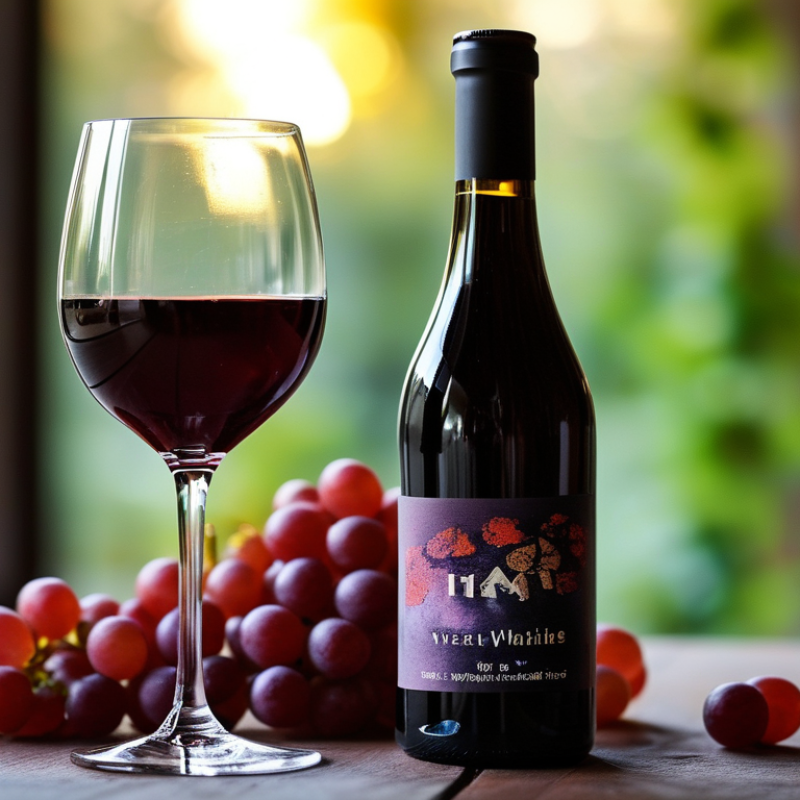
Wine in a cup usually means a single-serve container holding about 187 mL. That volume equals roughly one-quarter of a 750 mL bottle. A full bottle therefore provides four cups, with only a small remainder. The portion is larger than a typical 150 mL glass pour, so buyers should not assume “single serve” means low alcohol. It is still a measured amount of wine.
The format fits specific drinking occasions. A buyer may want one cup for a picnic, a train journey, or a quiet dinner without opening a full bottle. The IWSR 2024 beverage alcohol analysis identifies moderation, convenience, and occasion-based choices as important market forces.
Portable packaging supports those habits, although its environmental impact deserves closer attention. Less leftover wine can mean less household waste. Yet, single-use materials may create more packaging per milliliter.
Industry context also matters. The International Organisation of Vine and Wine reported 2023 global wine consumption at about 221 million hectolitres, down 2.6% from 2022 in its State of the World Vine and Wine Sector 2024 report. That decline does not prove cups are gaining share. Public data rarely separates 187 mL formats clearly. Buyers should check the label, alcohol percentage, closure quality, and serving volume. Small can mislead. A 187 mL cup can be practical, but it is not automatically lighter, cheaper, or more sustainable than a 750 mL bottle.
Wine in a cup refers to a measured, ready-to-drink serving designed for convenience. It may appear at outdoor events, casual gatherings, or busy travel stops. The format reduces the need for glassware and simplifies portion control. Buyers often value portability, quick opening, and less cleanup. The experience feels informal. That can be appealing, though it may also reduce the ceremony associated with wine.
The global context is significant. The International Organisation of Vine and Wine reported 214.2 million hectolitres of wine consumed worldwide in 2023. This figure shows a large, active market, but it does not prove that every buyer wants single-serve packaging. Consumption varies by age, culture, income, and occasion. Packaging choices also depend on freshness, recyclability, storage, and local retail habits. A cup can be practical, yet convenience should not replace attention to quality.
Tips: Check the serving size before buying. Look for clear production information and secure packaging. Consider where the cup will be stored and consumed. Compare the material with local recycling guidance, because disposal rules differ. Taste expectations should remain realistic; a portable serving may be enjoyable, but it is not automatically better. I have found that buyers sometimes focus on easy handling and overlook temperature. That small detail can change the experience.
Wine in a cup suits brief occasions: a picnic, a train journey, or a quiet drink after work. Packaging strongly shapes that experience. PET is light, shatter-resistant, and easy to carry in a small cooler. It works well for outdoor service. However, PET can allow more oxygen transfer than glass, depending on its quality and barrier layers. Fresh, young wines usually fit this format better.
Aluminum provides excellent protection from light. That matters for delicate white and rosé wines stored in bright places. It chills quickly and stacks efficiently, which helps retailers and event operators. Its inner lining must be carefully designed, because wine is acidic. A poor lining choice can affect aroma or taste. The container also feels modern, although some drinkers may miss the ritual of opening glass.
Glass remains the most familiar option for wine. It is chemically stable, visually attractive, and useful when presentation matters. The drawbacks are weight and breakage. A single glass portion can travel safely, but several become inconvenient. Buyers often choose based on the setting rather than the wine alone. PET feels practical. Aluminum feels protective. Glass feels trustworthy. That judgment is not always fair. Packaging can influence perceived quality before the first sip, and consumers may confuse weight with authenticity. A clear label should show volume, closure details, recycling guidance, and storage advice. Small details matter.
A wine cup turns portability into a buying reason. It fits a lunch bag, picnic basket, or crowded refrigerator shelf. The OIV reported global wine consumption at about 214 million hectolitres in 2023, a 2.6% decline from the previous year. In a softer market, convenient formats can help wine match smaller, more flexible occasions.
Portion control matters too. A measured serving reduces leftovers and makes planning easier for one person. Grand View Research estimates the global canned wine market could grow at roughly 7% annually through 2030. That forecast covers more than cups, but it signals strong interest in portable wine packaging. Buyers may want one serving after work, not an unfinished bottle on Thursday.
Occasion shapes the decision. A sealed cup suits outdoor concerts, travel, casual dinners, and weekday relaxation. It also simplifies sharing because each portion is visible and easy to carry. The IWSR’s 2024 beverage alcohol analysis emphasizes convenience, moderation, and occasion-led purchasing across evolving drinking habits.
Still, the format has limits. Packaging can feel less premium, and some drinkers may question freshness. The cup is not magic. Producers must protect flavor, serving size, and storage clarity. Otherwise, portability becomes a compromise rather than a benefit.
Wine in a cup appeals to buyers who want portability, controlled portions, and simple storage. Purchase decisions often begin with price, but the shelf tag can mislead. A smaller serving may cost more per liter than a bottle. Compare volume before deciding. This small check often changes the better-value choice.
Recycling also influences trust. Cups made from one material may fit local recycling systems more easily. Foil layers, plastic coatings, or mixed materials can complicate disposal. Always check local collection guidance. Shelf life matters too. An unopened cup can protect wine from air, heat, and light, but quality still depends on storage. After opening, the wine may lose freshness quickly. Alcohol labeling deserves close attention. The percentage should be clear and easy to find, especially for moderate drinkers. Packaging can look convenient, yet convenience is not proof of quality. I have found that buyers sometimes overlook taste while comparing features.
Tips: Compare cost per liter. Read the alcohol percentage. Check the package material. Follow storage instructions. Treat environmental claims carefully. A cup that seems greener may not be accepted locally. Some information remains unclear, and that should make shoppers pause rather than assume.
A single-serve wine cup is a portion-controlled format designed for convenience, portability, and easy consumption. Buyers often compare the upfront price, packaging recyclability, shelf life, and the alcohol level shown on the label.
The chart shows the approximate grams of pure ethanol in a 250 mL cup at different labeled alcohol-by-volume levels. The calculation uses: beverage volume × ABV × ethanol density of 0.789 g/mL. A 12% ABV, 250 mL cup contains about 23.7 g of pure alcohol, which is higher than the 14 g reference amount used for one U.S. standard drink.
Purchase considerations: compare price per 100 mL rather than package price alone; check local recycling rules because cups may combine materials; follow the package’s best-before guidance because shelf life depends on packaging and storage; and use the labeled ABV to compare alcohol content.
References: U.S. National Institute on Alcohol Abuse and Alcoholism, “What Is a Standard Drink?”; U.S. TTB, 27 CFR §4.36, alcohol-content labeling tolerances.