How to Choose the Biggest Wine Glass for Your Collection?
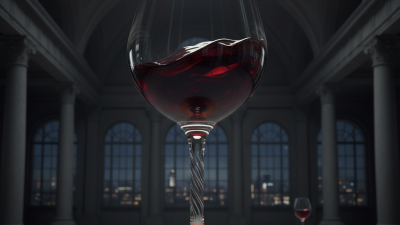
When it comes to enhancing your wine-drinking experience, choosing the biggest wine glass can make a significant difference. These larger glasses not only allow for more volume but also enhance the aromas and flavors of the wine. However, selecting the right one requires careful consideration.
The biggest wine glass should suit your personal style and the types of wine you enjoy. Each wine variety may require a different glass shape for optimal enjoyment. Many grape varieties, like Cabernet Sauvignon or Chardonnay, often shine in more expansive glasses. Yet, there’s a common misconception that bigger always means better. It’s essential to balance size with practicality and occasion.
Ultimately, each collector’s choice will be distinct. Reflect on your drinking habits and preferences. The biggest wine glass could seem appealing, but it might also lead to unwarranted waste. You need to ensure that its use truly enhances your drinking experience, rather than simply occupying space in your collection. Are you ready to find the perfect fit?
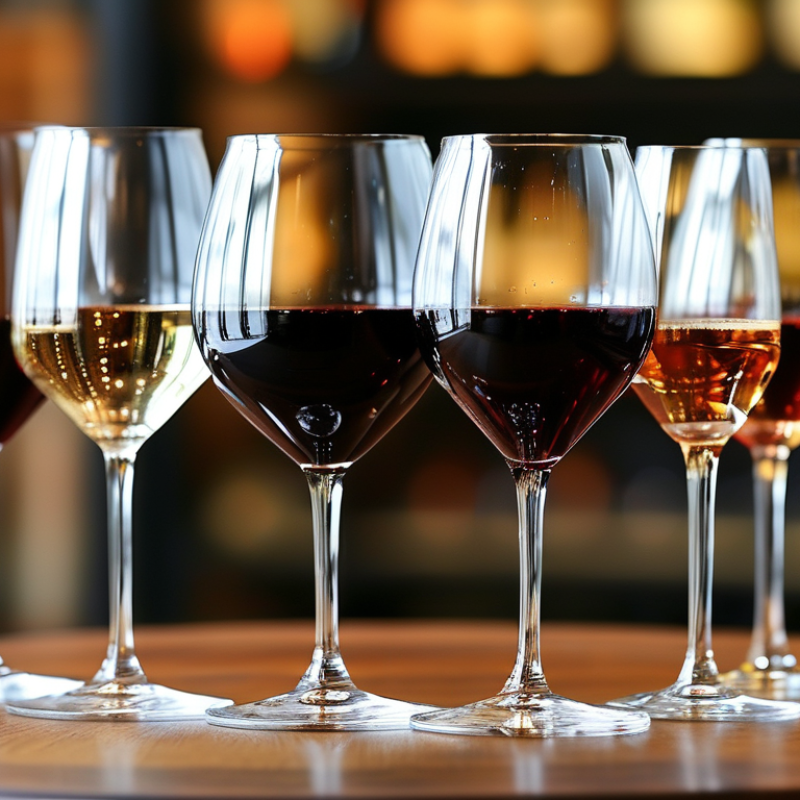
Understanding Wine Glass Sizes and Their Impact on Wine Experience
When it comes to wine, the glass matters significantly. Recent studies show that the shape and size of a wine glass can alter the tasting experience. A larger bowl allows for better aeration and enhances the release of aromas. This is especially vital for red wines, which often benefit from exposure to oxygen. A study published in the Journal of Wine Research indicates that wines served in glasses with a capacity of at least 18 ounces are preferred for their ability to showcase the wine's characteristics.
Surprisingly, many wine enthusiasts underutilize the benefits of larger glasses. The standard serving size of wine is approximately 5 ounces. However, using a glass that holds more can offer an immersive experience. It allows drinkers to enjoy a fuller bouquet while swirling the wine. This improved interaction can lead to a more enjoyable tasting experience. Another consideration is the weight of the glass; a heavier glass often feels sturdier and can enhance the perception of quality.
However, not all wine glasses fit every occasion. Some modern designs can feel unwieldy. This raises the question: does size truly dictate sophistication? It's essential to experiment with different sizes and shapes. Finding the right glass for each wine may take time and reflection. Enjoying wine is as much about the experience as it is about the drink itself.
Factors to Consider When Choosing the Biggest Wine Glass
When selecting the biggest wine glass for your collection, consider several key factors. Size often impacts flavor perception. According to industry studies, a larger glass enhances aromas, allowing wine to breathe effectively. For red wines, a glass that holds at least 20 ounces is recommended. This size helps deliver a richer experience.
Material is another crucial element. Crystal glasses allow for thin rims that enhance the tasting experience. Glass thickness impacts durability and how it feels in hand. Reports indicate that lightweight glasses can feel fragile but may enhance aesthetics. Weight affects balancing as you swirl the wine. A heavier glass might feel sturdier, but it could take away from the overall experience.
The shape of the glass influences how the wine interacts with air. A wider bowl allows more surface area, benefiting more complex wines. It encourages aeration but might require more storage space. Reflect on how each of these aspects suits your personal style and dining preferences. Choosing the right size can take time. Be open to experimenting with different shapes and sizes to find what works best for you.
Comparing Different Materials Used in Wine Glasses
When choosing wine glasses for your collection, the material significantly influences your experience. Common materials include glass, crystal, and plastic. Each offers unique qualities. Glass is durable and widely used. It provides a clear view of the wine. Crystal, on the other hand, is elegant and enhances the wine's aroma. However, crystal can be fragile, requiring careful handling. Plastic glasses offer convenience and are often lightweight, but they may affect taste and appearance.
Different wine types may also require specific glasses based on the material. For instance, white wines benefit from glasses made of thinner glass, which helps maintain their cooler temperature. In contrast, full-bodied reds often pair better with crystal, enhancing their robust flavors.
Observing your wine glass choices can yield insights. Do you often reach for heavy glass? Consider lighter options for ease. Reflect on how well you enjoy each material when sipping. This practice will help refine your collection over time and ensure that you choose the largest, most appropriate wine glasses for various occasions.
Evaluating Design Features for Maximum Enjoyment
When selecting the biggest wine glass for your collection, design features play a crucial role in enhancing your enjoyment. Large wine glasses often allow for greater aeration, which can significantly affect the aroma and flavor of the wine. The shape is vital; a wide bowl enables oxygen exposure, enhancing the wine's complexity. This design helps release subtle notes that might be masked in smaller glasses.
Consider the rim's diameter as well. A thinner rim allows the wine to flow smoothly onto your palate, promoting a more enjoyable tasting experience. However, a large glass may feel cumbersome. Balancing size with comfort is essential for long evenings of tasting and socializing. Another factor is weight; a robust glass might seem stable, but excessive weight can deter relaxed sipping sessions.
It's also worth reflecting on the glass's aesthetics. A beautifully crafted glass can elevate the drinking experience beyond mere function. Yet, excessive focus on looks can overshadow the essential qualities that affect wine appreciation. Finding a glass that combines visual appeal with practical performance can be challenging but is vital for true enjoyment. Each choice you make should cater to your taste and lifestyle while enhancing the overall experience.
Tips for Incorporating Large Wine Glasses into Your Collection
When incorporating large wine glasses into your collection, consider their functionality and artistic appeal. Many collectors appreciate glasses that hold up to 20 ounces. These are ideal for larger formats of wine. According to a recent industry report, around 30% of collectors prioritize size when selecting glassware. Larger glasses allow for better aeration and enhance the wine’s aromas.
However, not all large glasses are created equal. It’s essential to focus on the shape and style. A bowl that is too wide can make the wine feel exposed, while one that is too narrow may inhibit its aromas. A balance is crucial. Many experts suggest that oversized glasses work best with bold wines, such as Cabernet Sauvignon. This pairing can amplify the sensory experience.
Storage is another key consideration. Larger glasses require more space. Collectors may find themselves needing to rethink their display options. Offering a variety of sizes can make your collection visually appealing. Displaying them with a mix of smaller glasses may highlight their grandeur. When choosing and incorporating large wine glasses, focus on both aesthetics and utility for a successful collection.