
Frugalpac terms and conditions for the purchase of goods

5 Tips for Buying Wine in Paper Bottles

Wine in paper bottles is moving from a niche experiment toward a serious packaging option. However, appearance alone cannot prove environmental value. The International Organisation of Vine and Wine reported global wine production of approximately 237 million hectolitres in 2023. That scale makes packaging decisions meaningful, even when one bottle seems insignificant.

Recent packaging research adds useful perspective. Smithers’ sustainable packaging forecasts identify lightweighting, fiber-based materials, and improved barrier technology as major industry directions. Meanwhile, life-cycle studies consistently show that transport weight, recycled content, manufacturing energy, and end-of-life systems influence a package’s total footprint. Paper is not automatically greener. Not even close.

A paper bottle usually needs an inner barrier to protect wine from oxygen, moisture, and flavor transfer. That hidden layer matters. So does the closure. Buyers should examine the material description, recycling guidance, bottle weight, and recommended drinking window before choosing a product. A crisp white wine may expose poor protection quickly, especially after opening. The first sip can reveal more than the label.

This guide presents five practical tips for buying wine in paper bottles. It considers freshness, packaging construction, retailer storage, recycling access, and value. The advice reflects packaging principles, published industry research, and real shopping conditions. Still, the evidence is developing. Some environmental claims remain difficult to compare because companies use different boundaries and assumptions. That uncertainty deserves attention, not convenient marketing language. Look closely. Think beyond the bottle.
5 Tips for Buying Wine in Paper Bottles

Assess the Environmental Benefits of Paper Wine Bottles

5 Tips for Buying Wine in Paper Bottles

Assess the Environmental Benefits of Paper Wine Bottles

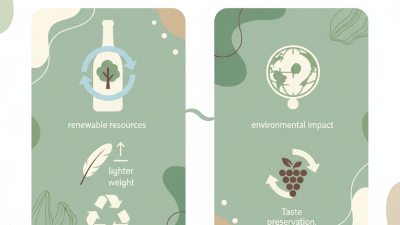
Paper wine bottles can reduce packaging weight and transport emissions. The California Sustainable Winegrowing Alliance reports that packaging may create up to 40% of wine’s carbon footprint. Glass usually drives much of that impact because it is heavy and energy-intensive to produce. A lighter bottle can mean fewer emissions during delivery.

Check the full package, not only the paper shell. Many paper bottles contain a plastic liner, cap, or barrier film. The Carbon Trust’s packaging guidance stresses that material composition and supply distance strongly affect life-cycle results. Ask whether the outer fibre is recycled, responsibly sourced, and accepted by local recycling systems. CEPI reported an 82.5% paper and board recycling rate in Europe for 2022, but that figure does not guarantee every bottle is recyclable.

Look for clear disposal instructions. Remove the liner only when local guidance requires it. Do not assume “paper” means compostable. It may not.

I have handled lightweight bottles that feel surprisingly solid. That practical difference matters on a crowded shelf and during home delivery. Still, environmental claims can be incomplete. Some published life-cycle assessments report 60–80% lower packaging emissions than conventional glass, but results vary by design, electricity mix, and transport distance. Compare verified data, preferably using ISO 14040 and ISO 14044 methods. A vague carbon claim deserves caution. The better choice may depend on your local recycling access.

Check the Bottle’s Structure, Seal, and Durability

5 Tips for Buying Wine in Paper Bottles

A paper bottle should feel rigid, not merely lightweight. Press the shoulder, base, and side panels gently. Soft spots may indicate weak construction or poor internal support. Inspect the seam closely. It should look even, without lifting fibers or visible gaps.

Eurostat reported that EU packaging waste reached 186.5 kilograms per person in 2022. Lower material use matters, but failure creates avoidable waste.

Check the seal before admiring the design. The closure should sit firmly and resist light twisting. Look for a continuous liner or barrier inside the paper shell. Wine needs protection from oxygen, moisture, and leakage.

The International Organisation for Standardization identifies oxygen transmission as a key factor in beverage package performance.

I once trusted an attractive package without checking its neck seal. That was careless. Smell the opening after purchase. A musty or papery odor deserves attention.

Durability is equally practical.

Examine the base for a stable footprint, then consider how the bottle will travel. Reliable packaging should tolerate compression, vibration, and moderate drops, hazards covered by ISTA distribution-testing procedures. Hold it by the neck and body, but do not squeeze aggressively. A wet shelf is a useful warning sign.

The World Bank estimates that global municipal waste exceeds two billion tonnes annually, so packaging that leaks is not a small defect.

Paper bottles can be excellent, yet their performance depends on the liner, adhesive, closure, and handling conditions. Check every layer.

Compare Wine Quality, Shelf Life, and Storage Requirements

5 Tips for Buying Wine in Paper Bottles

Wine quality depends more on the liquid and inner barrier than the paper outside. A well-made liner can protect freshness, but not forever. I look for a clear bottling date, secure seams, and packaging without dents or swelling. These details suggest careful handling, although they cannot replace tasting experience. Young white, rosé, and light red wines often suit paper bottles well. Delicate aged wines may need stronger protection from oxygen and temperature changes.

Shelf life deserves close attention. Paper packaging may allow slightly more oxygen exposure than glass, depending on its liner and closure. Check the producer’s storage guidance and expected drinking window. Once opened, refrigerate the bottle and use it within a few days. The flavor can fade quickly. I once kept an opened paper bottle beside a warm kitchen window, and its fruit tasted dull the next evening. That was my mistake.

Storage conditions still matter. Keep the bottle upright in a cool, dark cupboard before opening. Avoid radiators, sunny shelves, and damp areas that can weaken the outer paper. A refrigerator is useful for short-term storage, but constant temperature changes are not ideal. Compare the bottle’s weight, seal, and handling instructions with glass alternatives. Consider convenience, but do not assume lighter packaging means better quality. I sometimes overvalue environmental claims before checking freshness and storage details. A careful buyer should question both the package and personal assumptions.

Evaluate Weight, Price, and Ease of Transportation

5 Tips for Buying Wine in Paper Bottles

Evaluate the bottle’s weight before choosing it. A lighter container is easier to carry from the shop, especially on foot or public transport. Tip 1: Lift two similar bottles and compare them. My experience says small differences matter after several blocks. Tip 2: Check the outer surface for firm seams, dry paper, and a stable base. A damaged edge may become troublesome during transport. Paper packaging is not automatically stronger or weaker. Construction varies.

Price needs closer attention than the shelf label. Tip 3: Compare the cost per serving, not only the total price. A cheaper bottle may offer less wine or a shorter usable period after opening. Tip 4: Consider transport costs, too. A light package can reduce effort, but a loose cap or weak handle creates risk. Tip 5: Plan where the bottle will travel. Use a padded bag for bicycles, crowded trains, or warm afternoons. Keep it upright when possible.

Storage details deserve honest attention. Some paper bottles use inner barriers, so recycling rules may differ by location. Check the package instructions and local guidance. I once judged packaging by appearance alone; that was careless. A clean design does not prove good protection. The best choice balances weight, price, and practical movement, even if the perfect option is hard to find.

5 Tips for Buying Wine in Paper Bottles - Evaluate Weight, Price, and Ease of Transportation

Tip What to Evaluate Typical Paper-Bottle Data Useful Comparison Buying Guidance
1. Check the bottle weight Compare the empty packaging weight, not only the total shipping weight. Many paper-based wine bottles weigh approximately 60–100 g, depending on the paper shell, liner, closure, and label. A standard 750 ml glass wine bottle commonly weighs about 350–600 g when empty. Choose the lighter option when carrying several bottles, using public transport, or reducing parcel weight.
2. Compare the total price Look at the shelf price per 750 ml and check whether packaging affects the final cost. Paper-bottle wines can range from about $10 to $25 at retail, with price influenced mainly by wine quality, region, and production scale. Comparable wines in glass often fall within a similar broad range, so paper packaging does not automatically mean a lower price. Compare wines of similar quality and volume before deciding whether the lighter package offers good value.
3. Evaluate transport convenience Consider weight, shape, stacking, and the risk of breakage during travel. A 6-bottle purchase may reduce bottle weight by roughly 1.5–3.0 kg compared with similarly sized glass bottles. Glass bottles are rigid but can break and generally require more protective packaging during delivery. Paper bottles are practical for picnics, walking trips, air travel packing, and deliveries where lower weight matters.
4. Inspect the recycling instructions Check whether the paper outer layer, inner liner, cap, and label should be separated before disposal. The outer paper component may be recyclable, but the liner and closure can require different local handling. Glass is widely recyclable, although collection rules, deposit systems, and sorting facilities vary by location. Use the disposal instructions printed on the package and verify local recycling rules rather than assuming the entire bottle belongs in one bin.
5. Confirm storage and serving needs Check the recommended storage position, resealing method, and protection from moisture or crushing. Most paper bottles use a food-contact liner that holds the wine, while the paper shell provides structure and branding space. Glass provides a naturally rigid, moisture-resistant container and is familiar for long-term household storage. Buy paper bottles for normal short- to medium-term consumption, and follow the package guidance after opening or refrigeration.

Note: Prices and packaging weights are typical market ranges and can vary by wine style, bottle design, retailer, and region.

Choose a Paper Bottle That Fits Your Drinking Plans

Buying a paper bottle makes most sense when the package matches your drinking plan. Decide how and when you will drink it before judging its appearance. Small details matter.

For a same-day picnic, prioritize a firm grip, a secure closure, and a size you can finish. An at-home bottle may need a reliable seal, easy pouring, and safe refrigerator storage. Check the producer’s instructions, not assumptions about paper.

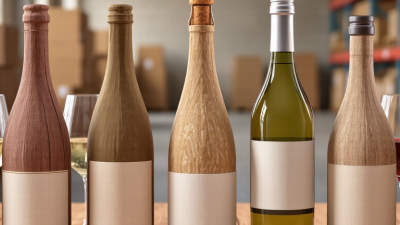
Most paper bottles combine a fiber outer shell with a barrier liner and a separate cap. That construction can reduce material weight, but it does not guarantee simple recycling.

CEPI’s European Paper Recycling Monitoring Report 2023 recorded an 82% paper recycling rate in Europe. However, a bottle may still require special sorting if its liner cannot be separated locally.

Ask your municipal recycler whether composite beverage packaging is accepted. This check is unglamorous. Yet it prevents a confident, incorrect choice.

Plan for transport, too. Choose a stronger base for a crowded bag, and avoid packaging that feels soft after chilling. For longer storage, confirm the stated shelf guidance and closure performance.

The OIV’s 2024 sector report estimated 214.2 million hectolitres of global wine consumption in 2023. It also reported a 2.6% annual decline. That softer market makes practical value more important than novelty.

I still find appearance persuasive, which is a weakness. Touch the bottle, test the cap, and match its lifespan to your actual drinking occasion.

Close