

China Top 10 Wine in a Cup Manufacturers for Global Buyers?
China’s wine in a cup sector is attracting global buyers seeking portability, portion control, and distinctive retail formats. Small cups can serve airlines, hotels, festivals, tasting rooms, and outdoor events. They also create practical questions about sealing, shelf life, material safety, and brand presentation.
As wine writer André Simon observed, “Wine makes daily living easier, less hurried, with fewer tensions and more tolerance.” That idea fits this format, but convenience must not weaken wine quality. A reliable manufacturer should protect aroma, prevent leakage, and maintain consistent filling accuracy. The cup should feel secure in the hand. The lid should open cleanly. The printed label should remain readable after refrigeration.
This guide examines ten China-based wine in a cup manufacturers for international sourcing teams. It considers product range, customization, production capability, packaging options, export experience, and quality-control practices. Some suppliers may focus on private-label wine. Others may specialize in fruit wine, sparkling products, or single-serve packaging. Their strengths are not identical.
The ranking is practical, not absolute. Factory information can change. Certification details require direct verification. Buyers should request samples, audit production sites, and confirm food-contact compliance for each destination market. A polished catalogue is not enough.
There is room for improvement. Public supplier data is sometimes incomplete, and online claims may look stronger than actual capacity. Therefore, this overview should support vendor comparison, not replace due diligence. For global buyers, the best wine in a cup partner combines stable wine quality, dependable packaging, transparent communication, and realistic delivery performance.
What Are Wine-in-a-Cup Products and Why Are They Popular?
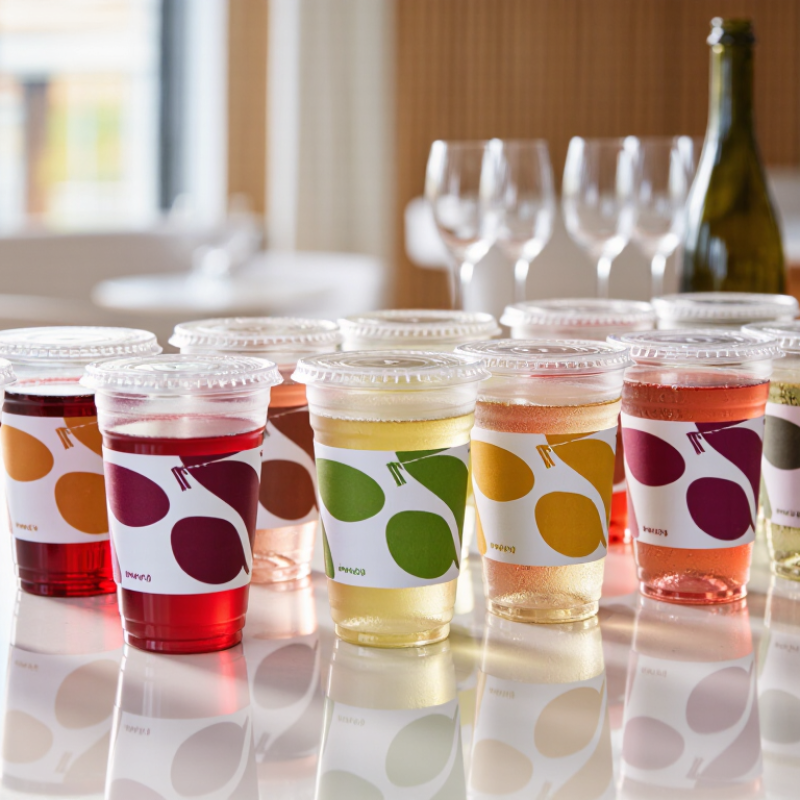
Wine-in-a-cup products combine a measured wine serving with a sealed, portable cup. They may use plastic, paper-based, or recyclable composite materials. Some include a peelable lid, while others use a rigid closure for transport. The design resembles a small takeaway drink, but the filling process requires careful control.
In factory visits and packaging evaluations, buyers often focus on convenience first. A cup fits neatly into picnic bags, event trays, airline service carts, and hotel minibars. It also reduces the need for glassware, corkscrews, and open bottles. Portions are easier to manage. The format feels practical for single servings.
Quality depends on more than appearance. Manufacturers should verify seal strength, oxygen protection, filling accuracy, and resistance to temperature changes. The material must not affect aroma or taste. Printing should remain clear after refrigeration and handling. Food-contact documentation and destination-market requirements also need review. I once assumed a tight lid meant reliable freshness. It did not. Poor sealing can create leakage, oxidation, and customer complaints.
Global buyers can request pilot samples before placing larger orders. They should compare storage performance, cup weight, closure design, and production consistency. A useful test includes transport simulation, cold storage, and repeated handling. Suppliers with traceable inspections and clear batch records are easier to evaluate. Recyclability sounds attractive, but local collection systems may not support every material. That detail is easy to overlook.
China Top 10 Wine in a Cup Manufacturers for Global Buyers? - What Are Wine-in-a-Cup Products and Why Are They Popular?
Anonymized buyer-oriented comparison of common wine-in-a-cup manufacturing profiles. No company or brand names are displayed.
| Profile | Typical Product Format | Common Fill Volume | Primary Container Material | Closure / Seal | Suitable Wine Styles | Typical Application | Key Buyer Consideration |
|---|---|---|---|---|---|---|---|
| 01 | Standard single-serve wine cup | 187 ml | Food-grade plastic or PET | Heat-sealed foil lid | Red, white, and rosé | Airlines, hotels, events, and catering | Cup rigidity, leak resistance, and food-contact compliance |
| 02 | Premium glass wine cup | 187–250 ml | Glass | Foil or peelable lid | Premium red, white, and sparkling wine | Gifting, hospitality, and premium retail | Breakage protection, weight, and transport cost |
| 03 | Lightweight recyclable cup | 187–200 ml | PET or recyclable polypropylene | Aluminum foil seal | Still wine and wine-based beverages | Outdoor venues, festivals, and stadiums | Recyclability claims must match the destination market |
| 04 | Sparkling wine cup | 187 ml | Pressure-resistant glass or plastic | Pressure-rated foil seal | Sparkling wine and carbonated wine beverages | Celebrations, events, and travel service | Internal pressure testing and seal integrity |
| 05 | Stemmed cup-style package | 187–250 ml | Clear food-grade plastic | Peelable lid with optional overcap | Rosé, white, and ready-to-serve blends | Picnics, cruises, poolside service, and events | Visual presentation and stability during handling |
| 06 | Low-alcohol wine cup | 187–250 ml | PET, PP, or glass | Foil or plastic peel seal | Low-alcohol wine and wine-based drinks | Convenience retail and casual consumption | Accurate alcohol-by-volume labeling and local regulations |
| 07 | Organic or natural wine cup | 187–250 ml | Glass or certified food-grade plastic | Tamper-evident foil lid | Organic, biodynamic, and natural-style wine | Specialty retail and environmentally focused channels | Certification documentation and packaging-material claims |
| 08 | Private-label custom-print cup | 187–375 ml | Printed plastic, glass, or coated board | Foil seal with printed artwork | Still and sparkling wine | Corporate events, promotions, and hospitality programs | Minimum order quantity, color matching, and artwork approval |
| 09 | Multi-pack wine cup set | 4 × 187 ml or 4 × 250 ml | Individual cups with paperboard secondary pack | Individual foil seals | Wine assortments and mixed varietals | Supermarkets, e-commerce, and gift packs | Case configuration, barcode placement, and retail shelf life |
| 10 | Export-focused contract production | 187–375 ml | Glass, PET, or PP according to destination rules | Tamper-evident foil or peelable lid | Red, white, rosé, sparkling, and low-alcohol wine | International distributors and private-label importers | Export documentation, carton testing, labeling, and destination compliance |
Related Posts
-
What Is Wine in a Cup and Why Do Buyers Choose It?
-
Top Wine in the Bottle at 139th Canton Fair for Global Buyers?
-
Best Spirits and Wine to Try in 2026 What Are the Top Choices?
-
Top 10 Global Wine Types You Need to Try for Unforgettable Experiences
-
2025 How to Choose the Best Spirits in a Bottle for Every Occasion
-

2025 Top Guide to Selecting the Best Wine in a Bottle for Every Occasion