Why Wine Carbon Footprint Matters to Global Buyers?
Global wine buyers are looking beyond vintage, region, and tasting notes. They are examining how a bottle travels from vineyard soil to warehouse shelf. The wine carbon footprint reveals this hidden journey. It includes vineyard machinery, fertilizer, irrigation, glass production, packaging, refrigeration, and shipping. A heavy bottle crossing oceans can carry more climate impact than many buyers expect.
This matters because procurement teams increasingly need evidence, not attractive sustainability language. Allison Jordan, Executive Director of the California Sustainable Winegrowing Alliance, has said, “Sustainability is a journey, not a destination.” Her words fit wine carbon footprint measurement particularly well. The number is not a final verdict. It is a starting point for better decisions. Buyers can compare packaging weights, transport methods, energy sources, and supplier data. They can also ask difficult questions about boundaries and calculation methods.
The details are practical. A lighter bottle may reduce transport emissions. Bulk shipping can sometimes lower the impact per finished bottle. Renewable electricity may improve cellar performance. Yet these choices are not automatically better everywhere. Glass quality, product protection, consumer expectations, and local infrastructure still matter. This is where the discussion becomes uncomfortable. Some sustainability claims remain incomplete. Data may be estimated, inconsistent, or quietly outdated. Buyers should recognize that weakness rather than hide it.
A credible wine carbon footprint therefore supports transparency, not perfection. It helps global buyers identify meaningful progress, reduce avoidable emissions, and communicate responsibly with customers. The best purchasing decision may not be the cheapest or loudest green claim. It may be the option backed by clear assumptions, measured improvements, and honest limitations.
What Is the Carbon Footprint of Wine?
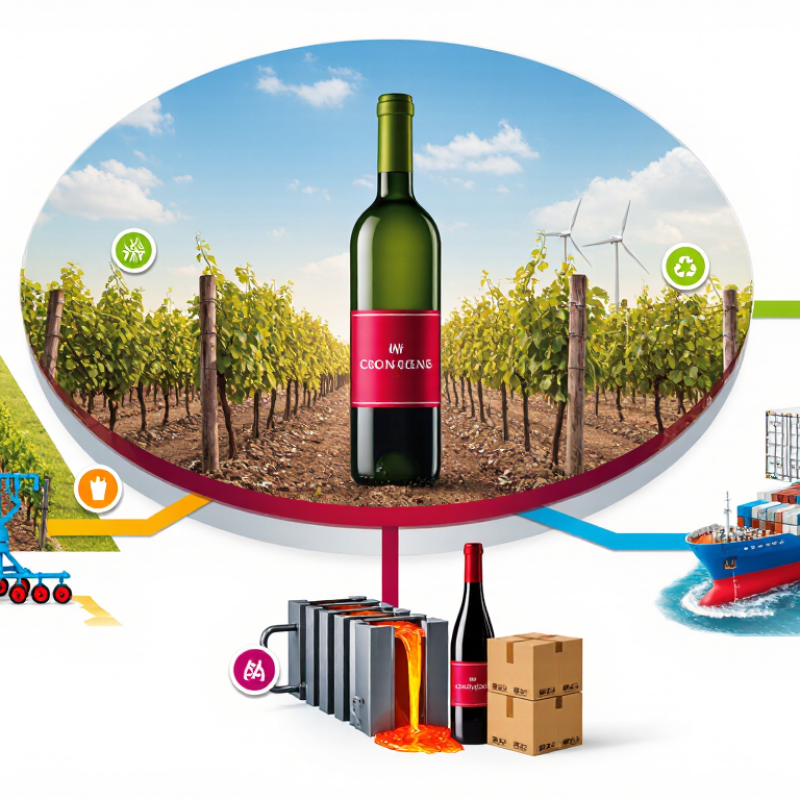
What is the carbon footprint of wine? It is the total greenhouse gas emissions created across a wine’s life cycle. This includes vineyard work, electricity, fermentation, packaging, transport, storage, and disposal. Results are usually reported as kilograms of carbon dioxide equivalent per bottle or litre. The number depends on the calculation boundary. A farm-only assessment tells a different story from a full supply-chain study.
In practical assessments, the bottle often deserves close attention. A heavy glass bottle requires more raw material and energy than a lightweight alternative. Long-distance shipping, refrigerated storage, and repeated handling can increase emissions further. Vineyard machinery, fertilizer production, and soil management also matter. However, the result is never perfectly clean. Some estimates rely on regional averages, incomplete transport records, or uncertain soil data. That limitation should be stated openly. Buyers need the method, system boundary, time period, and data sources before comparing suppliers. A credible assessment separates measured figures from assumptions. It also checks whether renewable electricity, recycled packaging, or shorter delivery routes genuinely reduce emissions. Carbon footprint does not describe every environmental impact. Water use, biodiversity, and soil health require separate evaluation. The honest answer may be less attractive than a precise-looking number.
Which Factors Create Wine’s Carbon Footprint?
Why Wine Carbon Footprint Matters to Global Buyers?
Which Factors Create Wine’s Carbon Footprint?
A wine’s carbon footprint starts long before it reaches a buyer’s warehouse. The Carbon Trust’s International Wine Carbon Footprint study identifies packaging as the largest source, near 40% in typical cases. Bottle weight matters. A heavy bottle requires more molten glass, furnace energy, and transport fuel. The report also links emissions to vineyards, wineries, refrigeration, and distribution. Its percentages are not universal. Climate, bottle format, electricity mix, and shipping distance can change the result. Good procurement asks for product-level evidence, not fashionable claims.
Viticulture uses diesel tractors, fertilizer, irrigation pumps, and repeated field passes. The International Organisation of Vine and Wine recommends measuring these activities, but no single global factor fits every vineyard. That gap matters. WineGB’s Net Zero Roadmap estimates packaging at roughly 45% of sector emissions, while transport remains significant. Pallets, temperature control, and last-mile delivery can quietly erase gains from lighter bottles. On-site electricity matters too, especially where wineries rely on fossil-fuel power. I would challenge any calculation that ignores empty-glass returns, breakage, or rejected loads. Real supply chains are messy. Carbon accounting should disclose boundaries, data years, and assumptions, then test reductions against measured tonnes of CO2e. This is less neat, but more credible.
Why Carbon Emissions Matter to Global Wine Buyers
Why Carbon Emissions Matter to Global Wine Buyers
Carbon emissions now influence how global wine buyers assess quality, risk, and long-term value. A bottle may travel by truck, ship, and local delivery before reaching a store. Each stage adds emissions. Heavy glass, refrigerated transport, and distant supply routes can increase the footprint considerably. Buyers therefore ask for clearer production data, not attractive claims alone. They may review vineyard energy use, winery electricity, packaging weight, transport methods, and verified carbon measurements.
In supplier evaluations, practical evidence matters. Useful records include energy invoices, shipment distances, packaging specifications, and independently reviewed emissions calculations. No carbon record is perfectly clean. A neat spreadsheet can still hide seasonal changes or incomplete transport data. That weakness deserves attention, not silence. Buyers also understand that reducing emissions takes time, investment, and honest cooperation across the supply chain. Producers with measurable targets and regular updates appear more reliable than those using vague environmental language. Certification can support trust, but it should not replace transparent evidence.
Tips: Ask for emissions data by bottle and shipment. Compare packaging weights before discussing price. Check whether transport estimates include the full journey. Request the calculation method and reporting period. Small details matter. A lighter bottle, efficient route, or renewable energy contract can change a purchasing decision. Yet buyers should avoid judging suppliers from one number alone, because farming conditions and regional infrastructure differ.
How Global Buyers Evaluate Wine Carbon Footprints
Global buyers rarely judge a wine carbon footprint by one impressive number. They examine how that number was produced. A buyer may request vineyard records, winery energy bills, packaging specifications, and transport distances. The assessment should define its boundary clearly. Does it cover grapes, fermentation, bottles, shipping, and disposal? Small omissions can change the result.
Buyers also compare the functional unit. A figure per bottle may hide differences in volume or packaging. A figure per litre offers better comparison across suppliers. Reliable evaluations often follow recognized carbon accounting methods, such as ISO 14067 or the GHG Protocol. Independent verification adds confidence, especially when data supports export claims. Clear evidence matters more than polished language.
The physical details are revealing. A lighter bottle reduces freight weight, while renewable electricity can lower winery emissions. Refrigerated transport may create another impact. Buyers therefore ask for dates, calculation methods, emission factors, and improvement records. Not every vineyard has complete measurements. Some farms still estimate fuel use or rely on regional averages. That is imperfect, but honest disclosure is useful. A weak estimate can be improved; an unexplained claim cannot. Global buyers increasingly look for consistent data across harvests, realistic reduction plans, and progress that can be checked again.
How Wineries Can Reduce Their Carbon Footprints
Reducing a winery’s carbon footprint begins with accurate measurement. Global buyers increasingly ask for emissions data, not broad environmental promises. Wineries should map vineyard fuel, electricity, refrigeration, packaging, transport, and waste. The Greenhouse Gas Protocol offers a practical structure for this work. Measure it carefully.
A heavy glass bottle can create more emissions than many people expect. Switching to lighter bottles, recycled content, or bulk shipping can reduce packaging impacts. Solar power may support pumps, cooling systems, and warehouse lighting. Efficient irrigation also lowers energy demand when water must be moved across long distances. During harvest, regular equipment maintenance prevents unnecessary fuel consumption and costly delays.
The most useful plans are specific and verifiable. A winery could record electricity use per case, diesel use per hectare, and packaging weight per bottle. Independent review can improve buyer confidence, especially when figures cover several production sites. However, smaller wineries may lack sensors, trained staff, or clean historical records. Their first inventory may contain gaps. That is normal, but it should be disclosed rather than polished away. Progress might begin with replacing one diesel pump, reducing bottle weight by 80 grams, or choosing shorter transport routes. Recheck those changes each season. Some solutions also create trade-offs, such as increased breakage from lighter packaging or higher costs for renewable equipment. Good decisions require testing, documentation, and honest adjustment.
Why Wine Carbon Footprint Matters to Global Buyers
Estimated greenhouse-gas emissions across the wine life cycle, measured in kilograms of CO₂e per 750 mL bottle. Packaging—especially glass—typically represents the largest opportunity for wineries to reduce their footprint.
Midpoint industry benchmark synthesized from published wine life-cycle assessments. Actual results vary with vineyard practices, energy sources, bottle weight, transport distance, and end-of-life recycling.
Practical reduction actions include lightweighting bottles, increasing recycled glass content, using renewable electricity, improving nitrogen and water efficiency, and consolidating shipments to global buyers.