What Are Chinas Best Wine and Spirits Suppliers?
China’s wine and spirits sector is broad, established, and changing quickly. It includes baijiu producers, domestic wineries, importers, distributors, and online retail platforms. However, “best” depends on the buyer’s needs. A hotel may value dependable volume, while a specialist retailer may prioritize rare labels, storage quality, and regional expertise.
Market evidence shows why supplier selection requires care. The International Organisation of Vine and Wine reported continued pressure on China’s wine consumption in its State of the World Vine and Wine Sector 2024 report. IWSR Drinks Market Analysis also identifies China as a major, but increasingly selective, market for premium alcoholic beverages. China Customs data provides another useful reference, especially for tracking imported wine and spirits by value, volume, and origin. These sources do not identify one universal winner. They reveal a market shaped by economic confidence, changing consumer preferences, and strict distribution requirements.
This guide examines leading suppliers through practical criteria. These include product authenticity, portfolio depth, logistics, pricing transparency, compliance systems, and after-sales support. In practice, wine and spirits wine and spirits buyers should request traceability records, warehouse details, and current sales references. Small details matter. A damaged carton can signal weak handling. An unclear invoice can create larger problems later.
No ranking is perfect. Supplier reputations also change. Readers should verify licenses, contracts, inventory conditions, and recent performance before making commercial decisions. The strongest partner may not be the largest company. It may be the one that communicates clearly and delivers consistently.

China’s Wine and Spirits Supply Market at a Glance
China’s wine and spirits supply market is becoming more selective.
According to the OIV’s State of the World Vine and Wine Sector 2023, China consumed about 6.8 million hectolitres of wine. This was far below its 2018 level. The decline shows why suppliers now need sharper inventory control and stronger local insight.
The market is not simply about importing more bottles. IWSR’s China beverage alcohol analysis highlights premium products, digital retail, and at-home drinking occasions. Suppliers must manage temperature, storage, customs documentation, and delivery speed. A warehouse near major coastal demand can reduce delays, but inland distribution remains more complex. Small shipment errors can damage margins.
China’s General Administration of Customs recorded roughly 248 million litres of imported wine in 2023. This volume suggests continued demand, yet the market is uneven. High-end restaurants, specialist retailers, and online channels require different supply models. Spirits suppliers also need reliable batch records and clear product information. In practice, data quality is still imperfect. Regional consumption figures can be difficult to compare. Buyers should therefore test demand locally, review sell-through monthly, and avoid treating national forecasts as certainty.
Key Types of Wine and Spirits Suppliers in China
China’s wine and spirits supply chain is not one market. It is a network of specialized suppliers serving different regions and channels. According to IWSR Drinks Market Analysis 2024, China remains one of Asia’s most important beverage alcohol markets, despite recent volume pressure. Supplier selection therefore requires more than checking price lists.
Importers and national distributors handle customs documentation, product registration, warehousing, and channel development. Regional distributors are often more valuable in smaller cities, where personal relationships influence restaurant and retail sales. Domestic producers supply locally made wine and spirits, while specialist wholesalers serve hotels, restaurants, bars, and corporate buyers. E-commerce suppliers add wider selection, but their product descriptions and storage records need careful verification.
Logistics providers are another key type. Temperature control matters when cartons travel through hot inland warehouses or sit beside loading doors. OIV’s State of the World Vine and Wine Sector 2023 estimated China’s wine consumption at about 6.8 million hectolitres, showing the scale of the market and its distribution challenge. The figure also requires caution, because trade data, inventory movement, and actual drinking occasions are not identical.
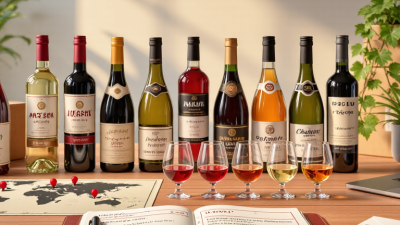
A reliable supplier should provide batch records, delivery timelines, storage conditions, and transparent pricing. I would also test a small shipment first. Trust grows through evidence, not polished presentations. The map remains imperfect. Smaller regional agents can outperform larger distributors, but their reporting may be less consistent. That is an uncomfortable issue buyers should not ignore.
Leading Supplier Categories and Their Core Products
What Are China’s Best Wine and Spirits Suppliers?
China’s leading suppliers usually fall into several practical categories. Grape wine producers focus on still, sparkling, and fruit-based wines. Their core products often include bulk wine, bottled wine, and private-label collections. Domestic spirit distilleries offer grain-based spirits, rice spirits, fruit spirits, and carefully blended products. Some suppliers specialize in ready-to-drink beverages, while others provide low-alcohol options for modern retail channels.
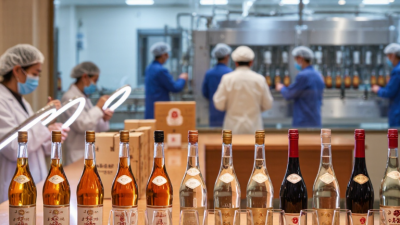
The best supplier depends on your market, budget, and product brief. A factory with strong filling equipment may handle large orders efficiently. A smaller producer may offer better recipe flexibility and closer communication. This difference matters. Buyers should request samples from the same production line used for commercial orders. Check bottle weight, closure quality, label accuracy, and flavor consistency. One attractive sample proves very little.
Reliable suppliers can provide ingredient lists, batch records, safety documents, and export paperwork. They should explain storage conditions clearly, especially for products affected by heat or light. Independent factory audits can reveal gaps in hygiene, traceability, and worker training. Certification alone is not enough. I have seen polished documents fail to answer simple questions about batch control. Contract terms should cover inspections, delivery tolerances, packaging damage, and complaint handling. Clear records build trust more effectively than impressive sales language.
How to Compare China’s Best Wine and Spirits Suppliers
“Best” depends on your market, budget, and product requirements. China’s wine and spirits suppliers differ in role and capability. Some manufacture locally, while others import, distribute, or source products. Compare their actual responsibilities, not only their websites. Ask for business registration details, product specifications, and recent export experience. Clear answers build confidence. Vague promises deserve caution.
Quality checks should include production records, batch numbers, ingredient details, and independent laboratory reports. Visit the facility when possible. A clean warehouse, stable temperature, and organized loading area reveal more than polished brochures. Request samples from different batches, not just one carefully selected bottle. Compare taste, packaging, seal quality, and consistency. Small details matter.
Commercial terms also need careful comparison. Review minimum order quantities, lead times, payment schedules, shipping terms, and after-sales support. Confirm who handles export documents and destination-country requirements. The lowest quotation may hide weak packaging or costly delays. I have seen buyers focus too heavily on unit price. That approach can fail. Communication deserves a score, too. Can the supplier explain delays honestly? Can they correct a labeling mistake quickly? A dependable partner should provide traceable records and realistic timelines, even when the answer is inconvenient.
Sourcing, Quality Control, and Compliance Considerations
China’s strongest wine and spirits suppliers are not always the largest. A reliable partner should provide stable sourcing, complete batch records, and responsive quality documentation. The OIV reported that China’s wine consumption fell 24.7% in 2023, reaching about 6.8 million hectolitres. This decline makes demand forecasting and inventory discipline especially important.
Ask suppliers to identify farms, distilleries, storage sites, and transport providers. Verify origin documents, production licences, ingredient lists, and certificates of analysis. Each shipment should carry a traceable batch code. Independent testing should cover alcohol strength, contaminants, additives, and packaging safety. HACCP-based controls and ISO 22000 certification can support consistency, but certificates alone prove little. Audit the actual warehouse.
Compliance requires local label review before shipment. Check Chinese-language declarations, net content, producer details, dates, allergen information, and required registration records. GACC registration rules remain central for overseas food and beverage suppliers. The 2024 China Import Food Safety Report also highlights stronger inspection and traceability expectations. That matters.
My practical scorecard would weight compliance at 35%, quality systems at 30%, supply continuity at 20%, and price at 15%. These percentages are not universal. They should change with product risk. A supplier may offer excellent samples but weak batch control. That is a warning. Keep a retained sample from every lot, record temperature during transport, and investigate even small label discrepancies. Mistakes happen. Unexamined mistakes become expensive.